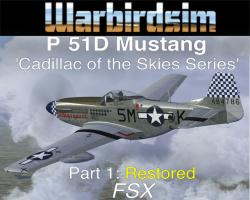
P-51D Mustang 'Cadillac of the Skies Series' Part 2: Restored for FSX
North American's Classic Iconic aircraft takes to the skies in part 2 of our series of sets specially designed for FSX featuring THE most accurate modeling and performance of this iconic aircraft ever made for simulation bar none! Read more...
- Media Format
- Immediate Download
- Compatibility
- Microsoft Flight Simulator X
- File size
- 260 MB
- Developer
- Warbirdsim
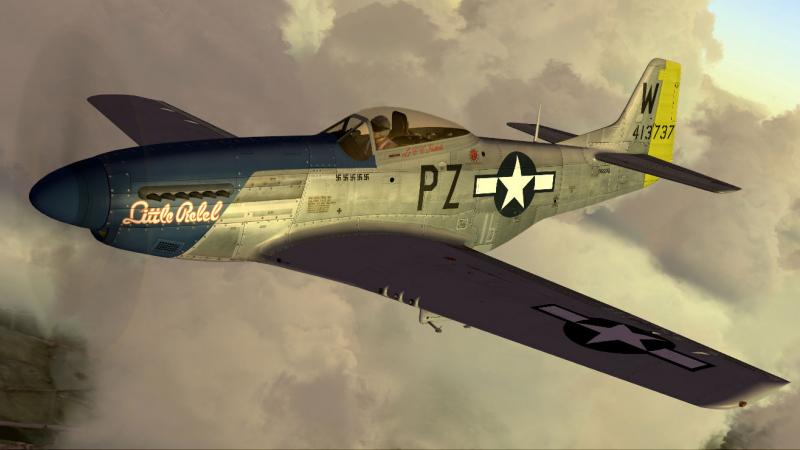
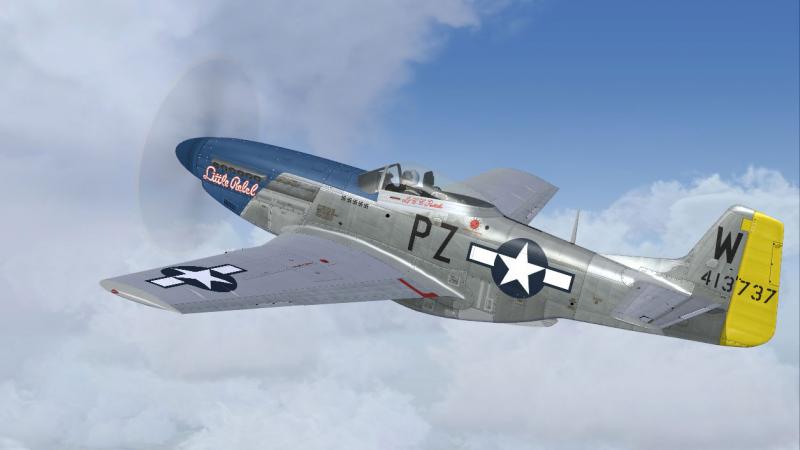
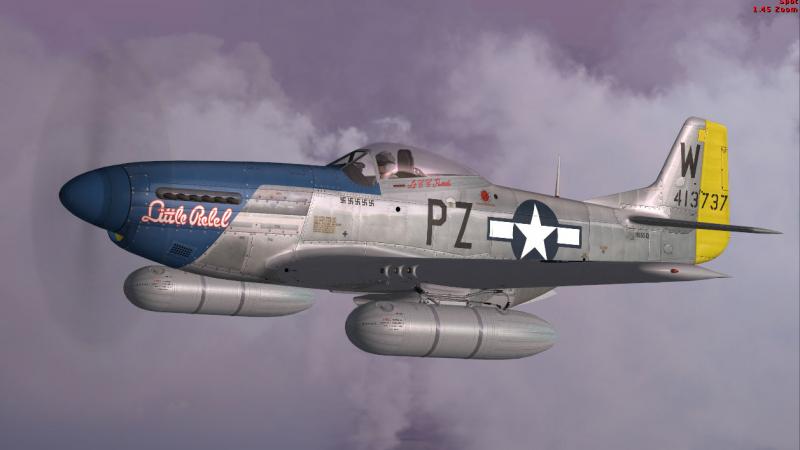
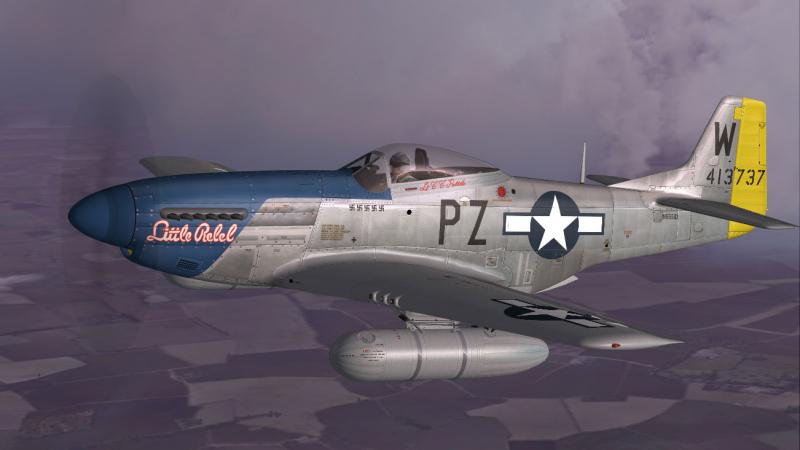
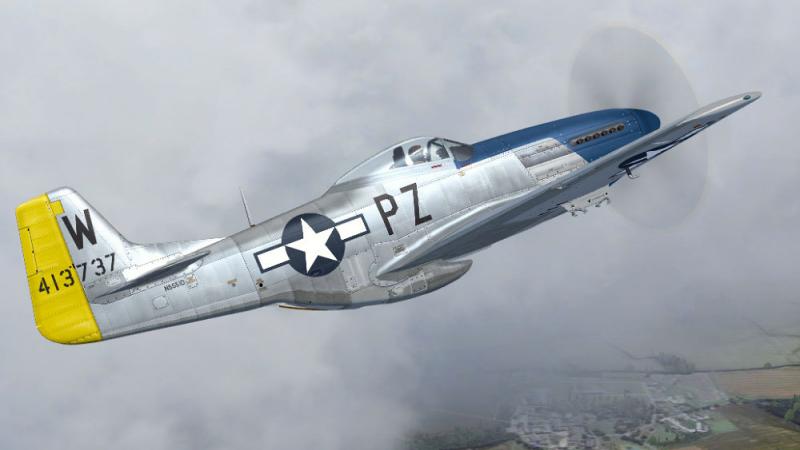
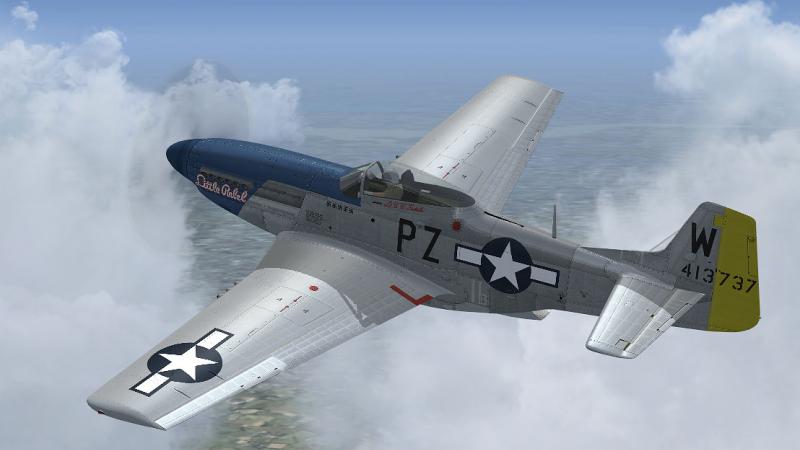
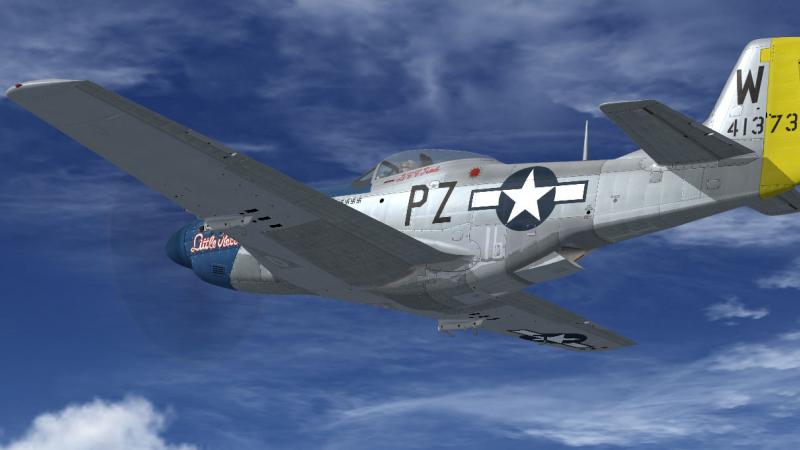
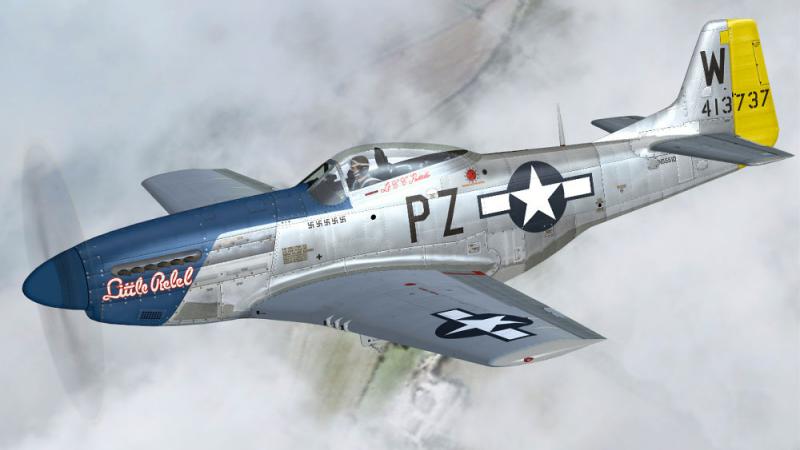
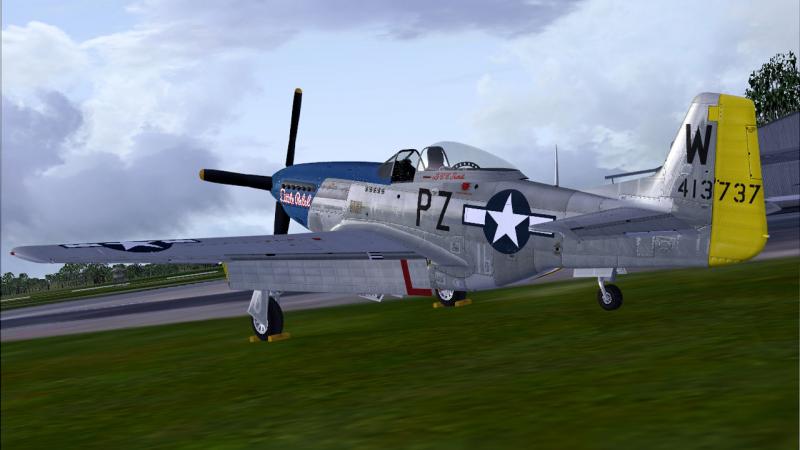
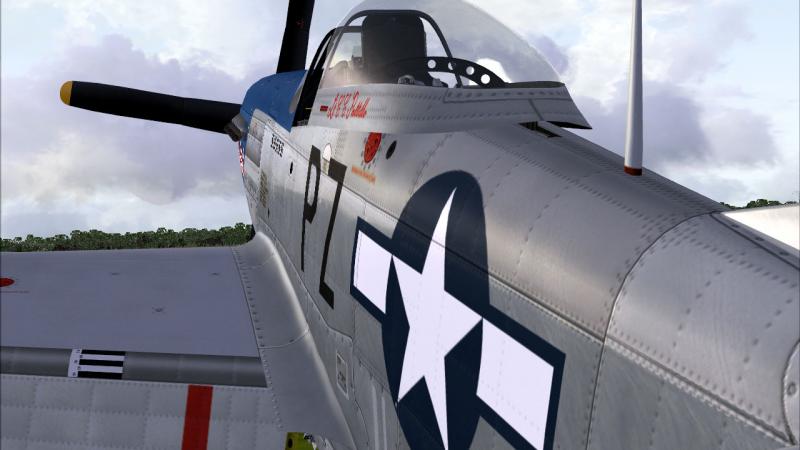
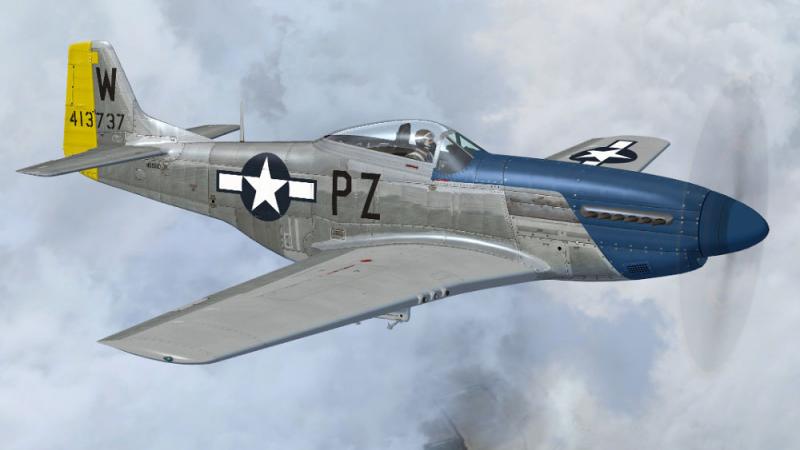
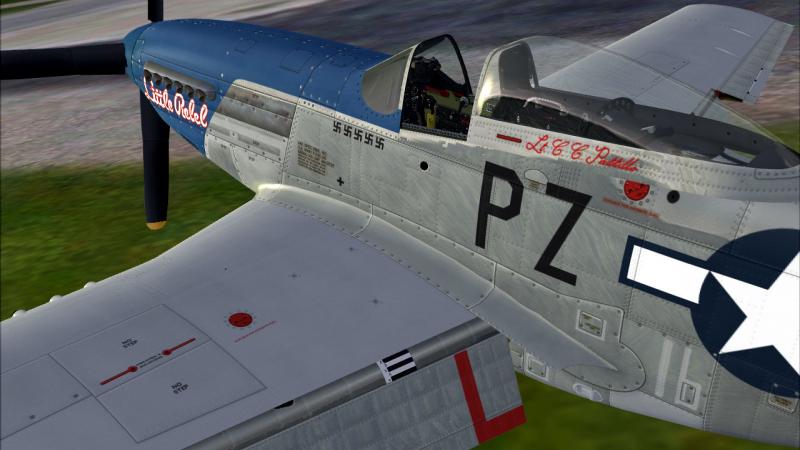
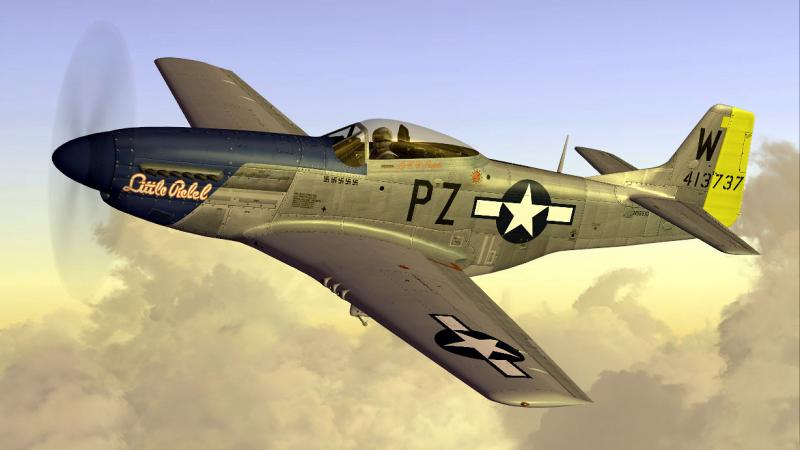
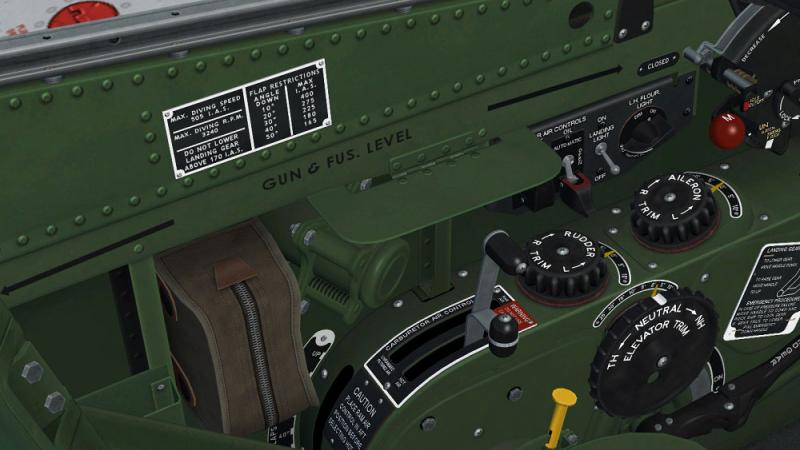
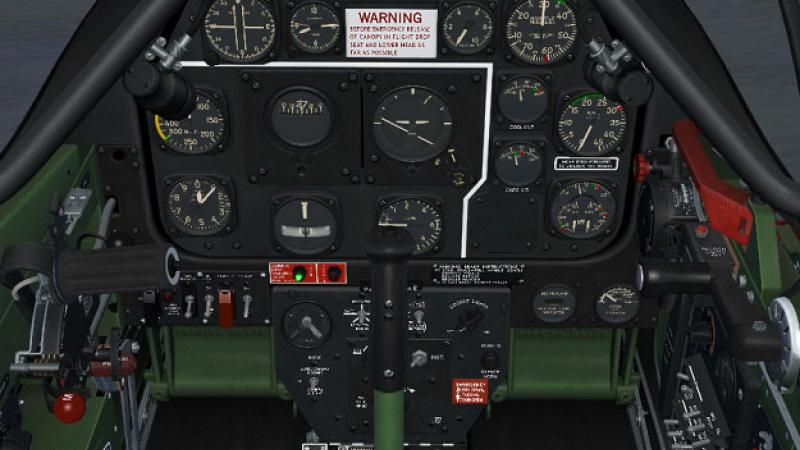
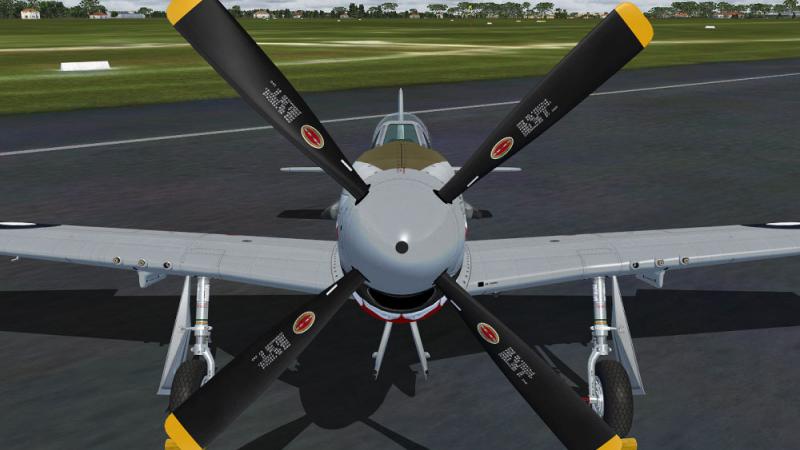
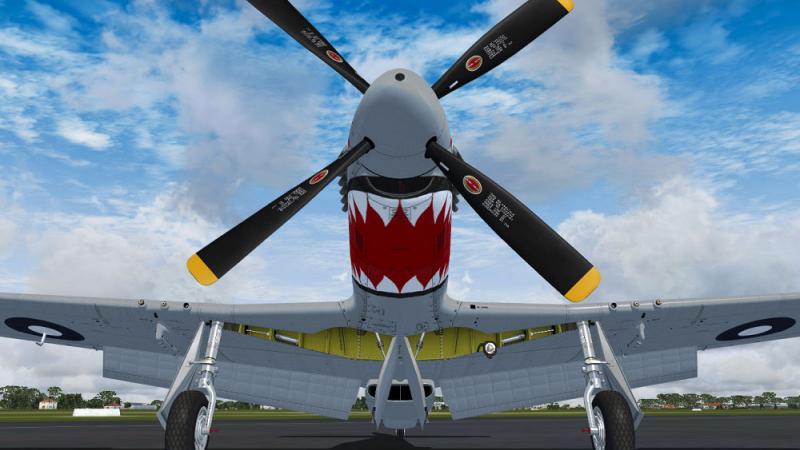
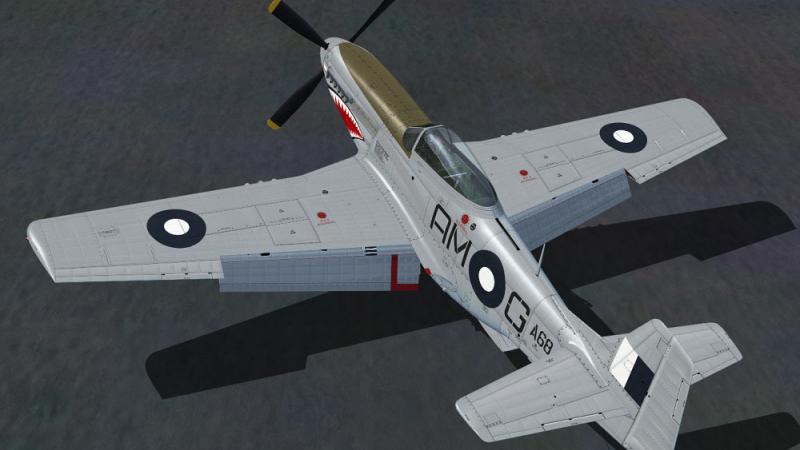
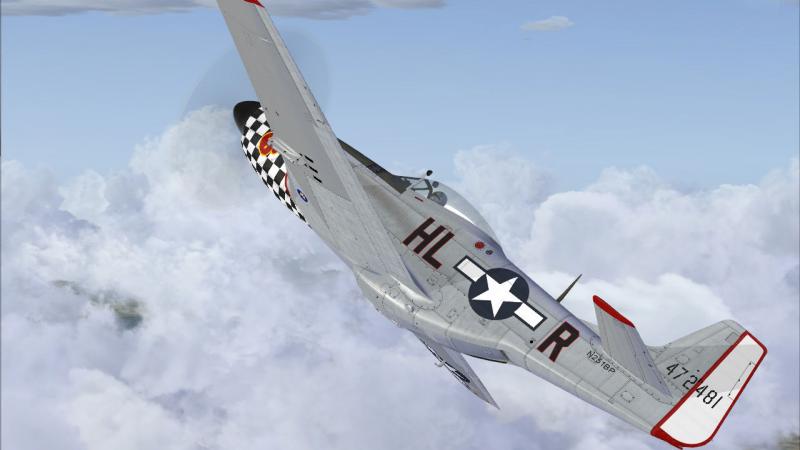
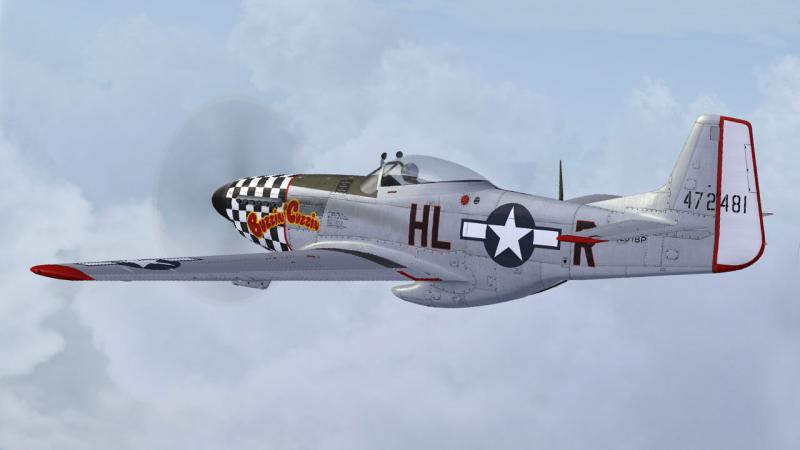
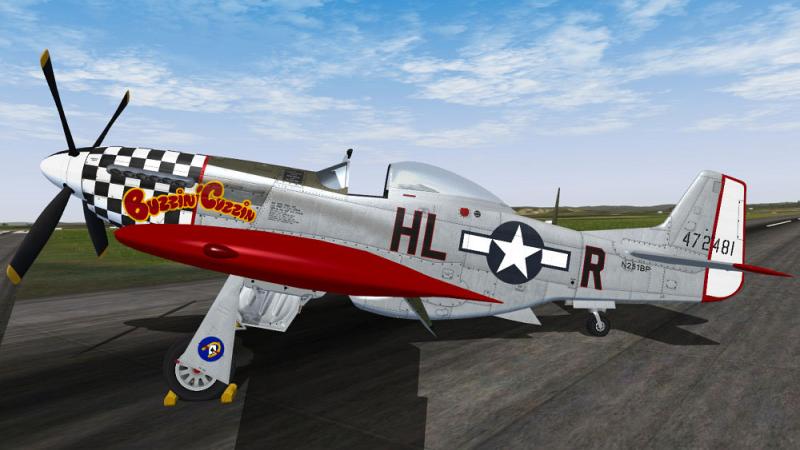
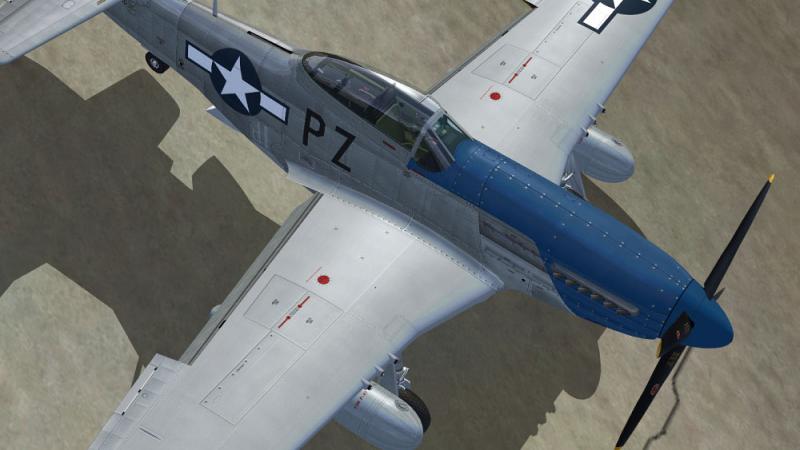
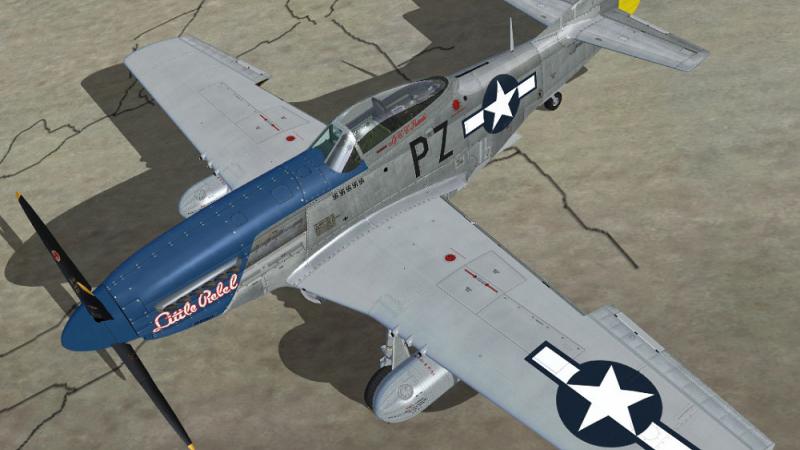
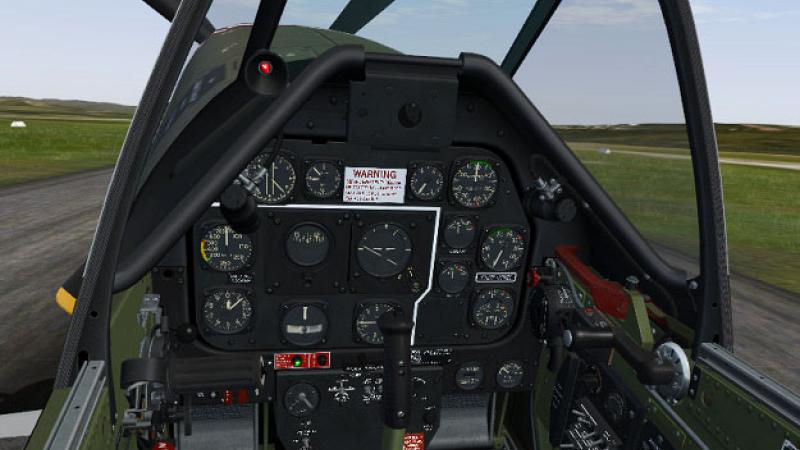
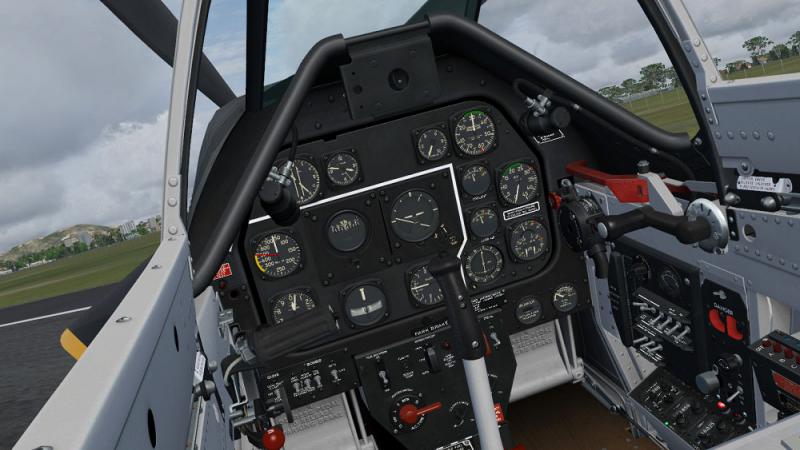
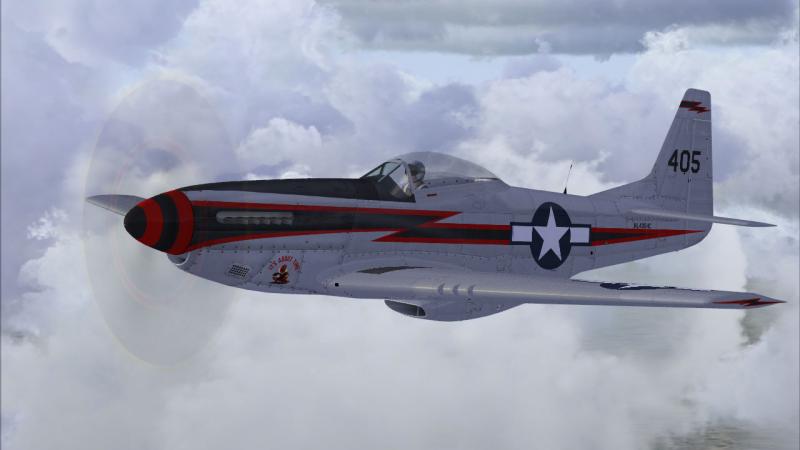
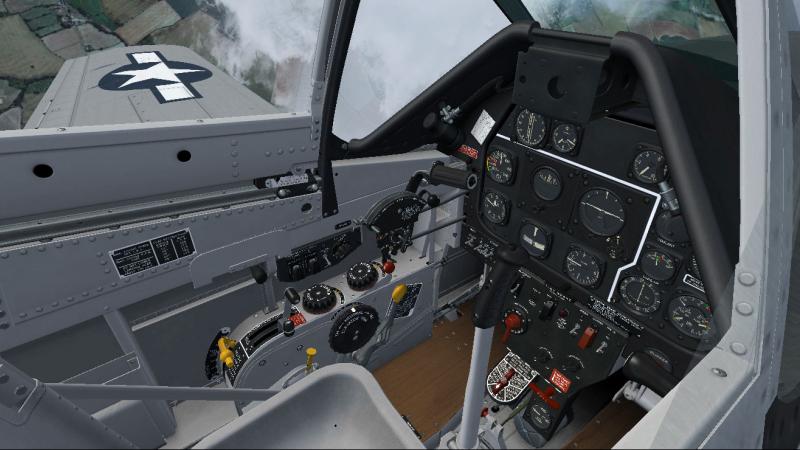
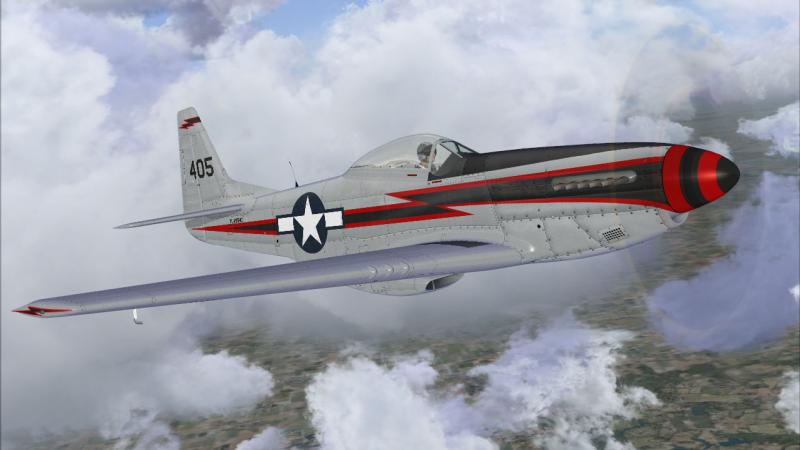
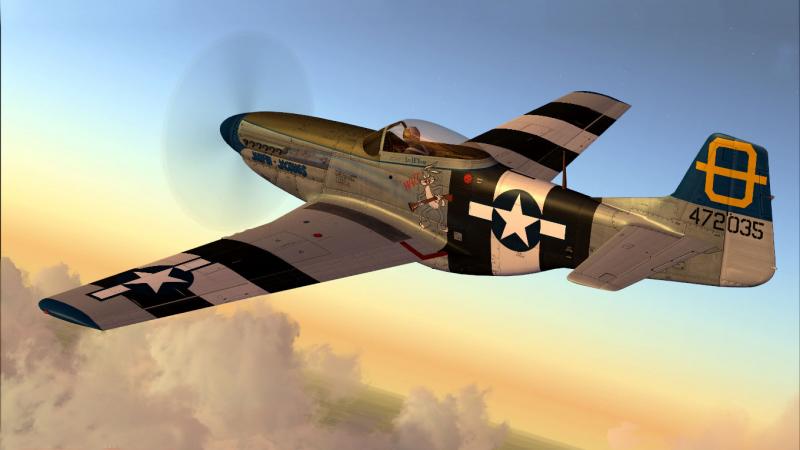
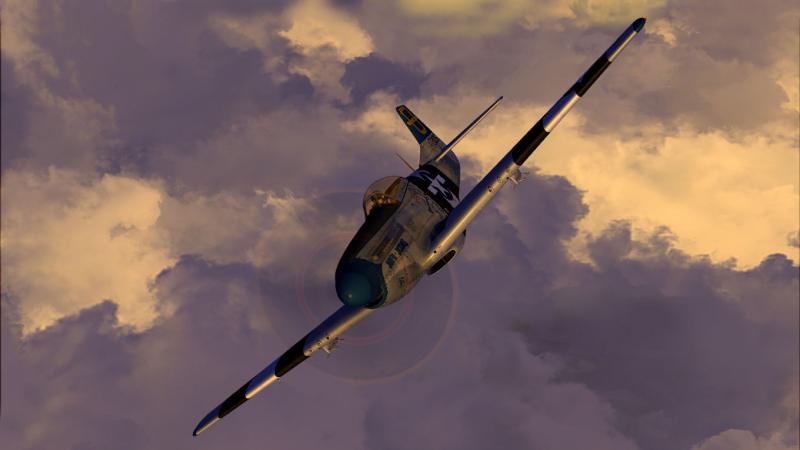
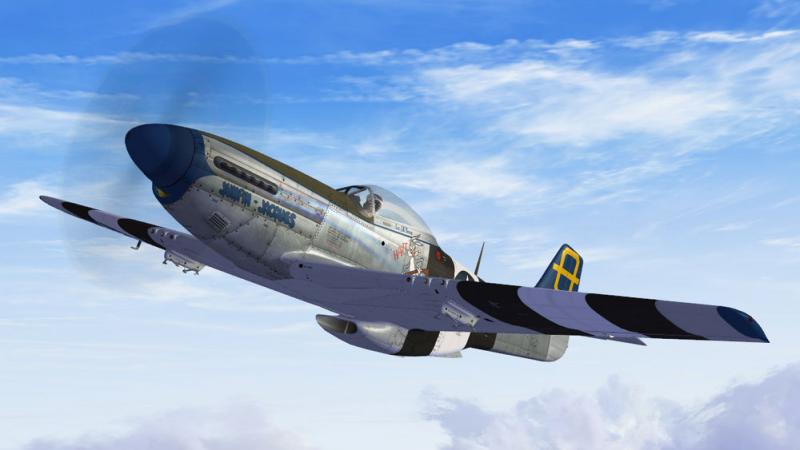
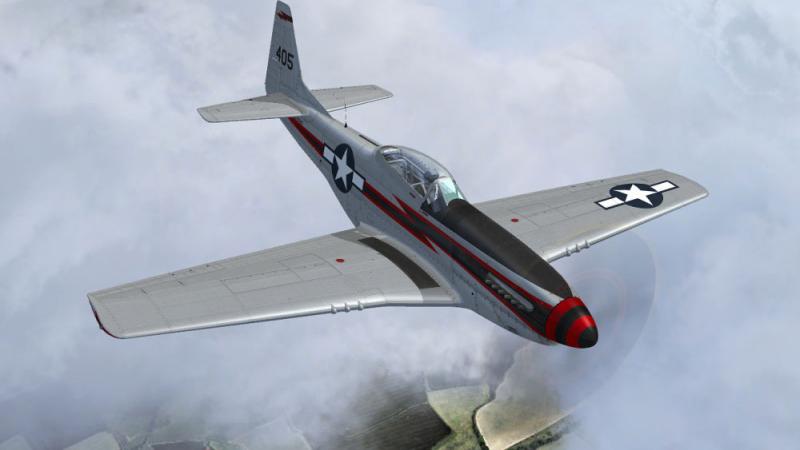
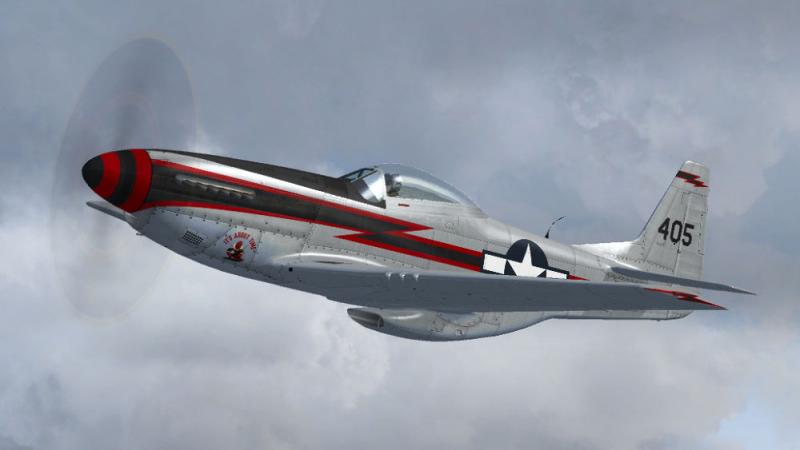
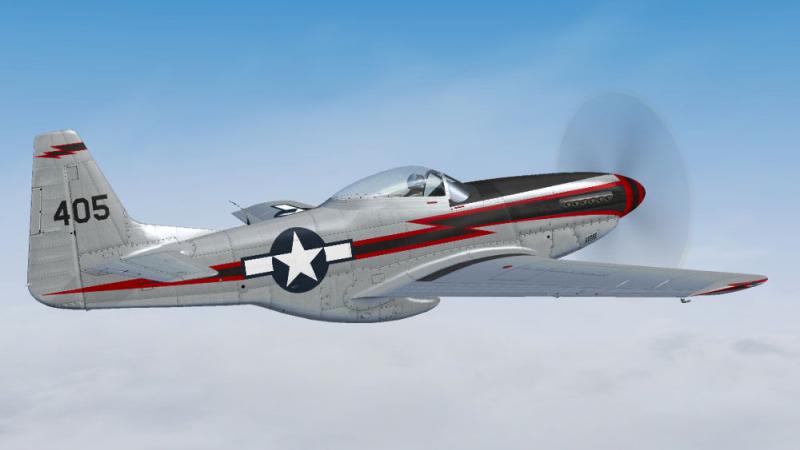
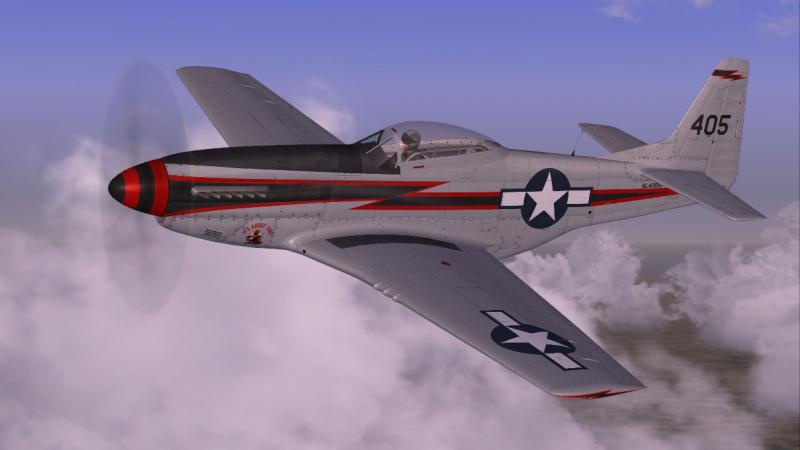
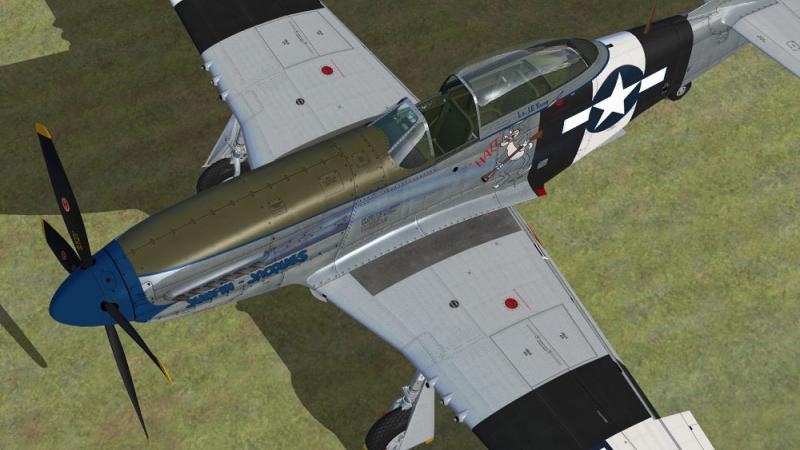
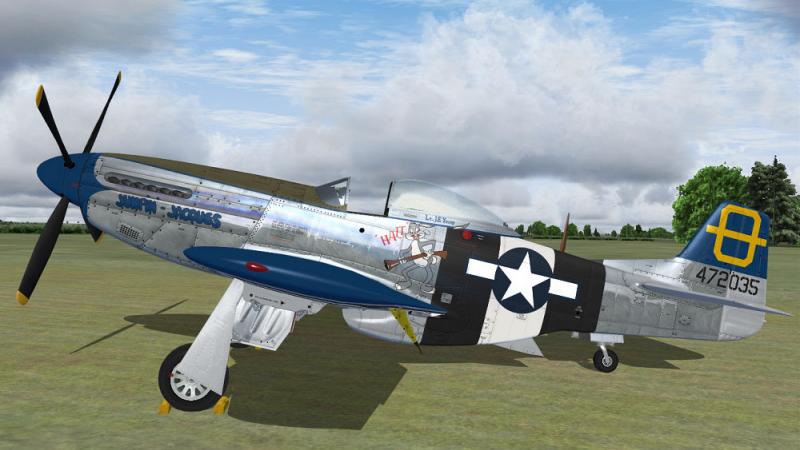
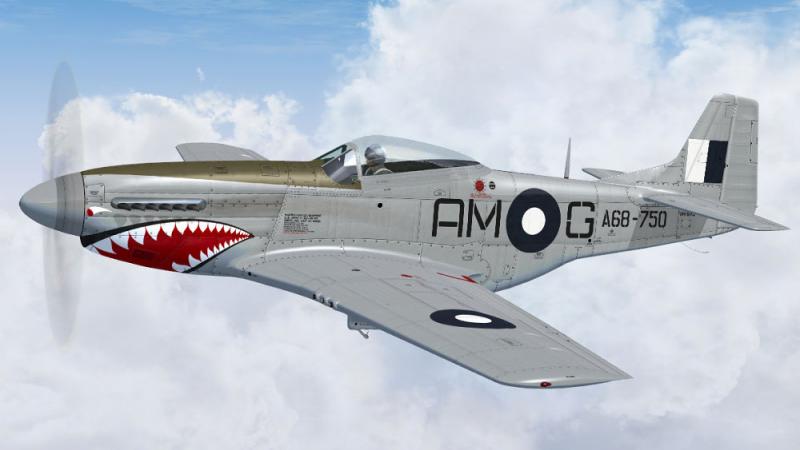
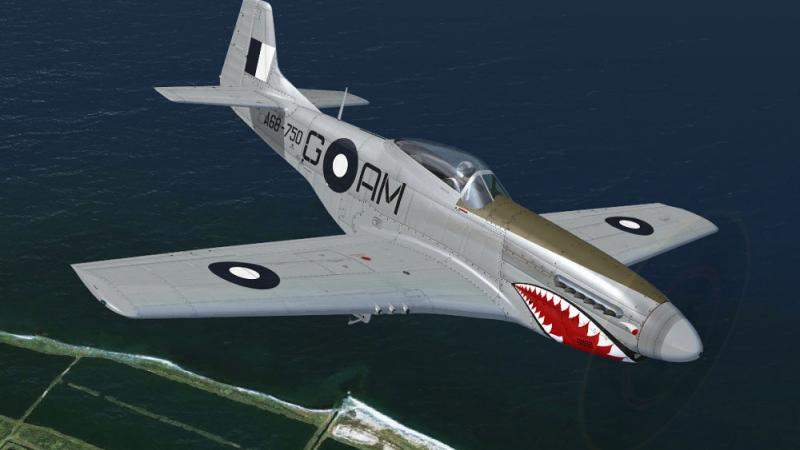
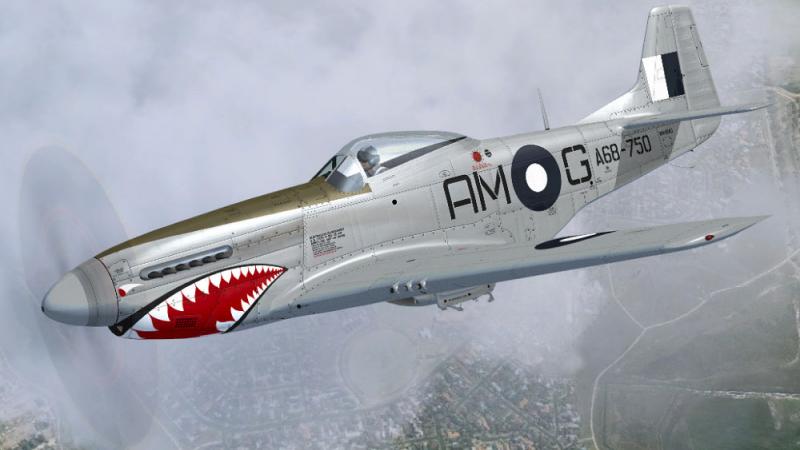
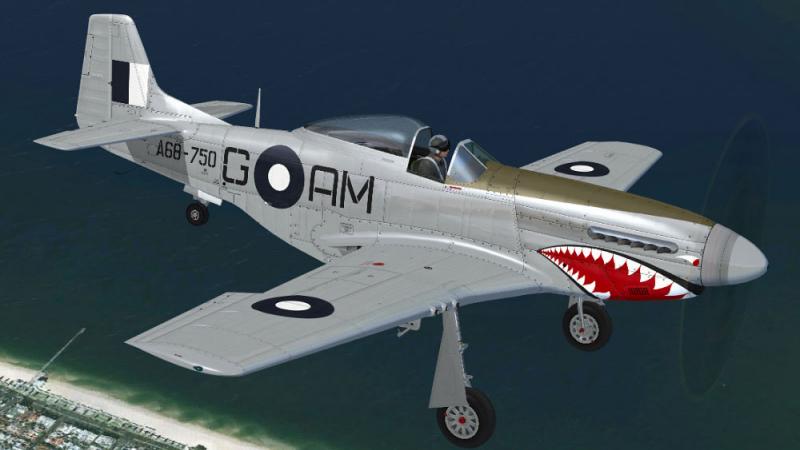
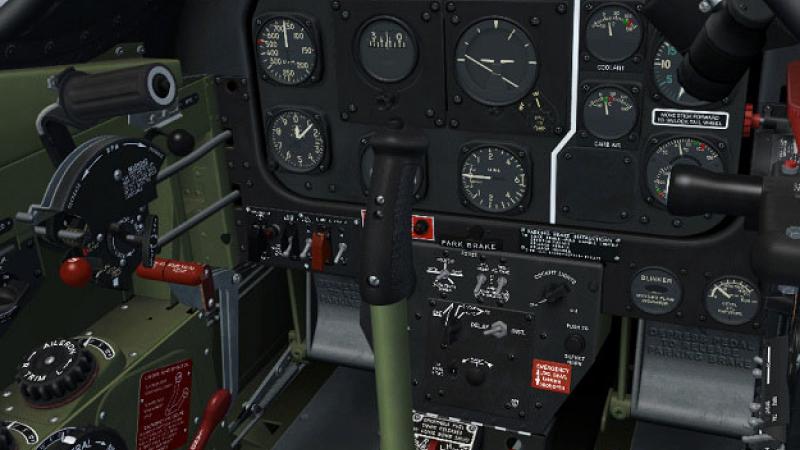
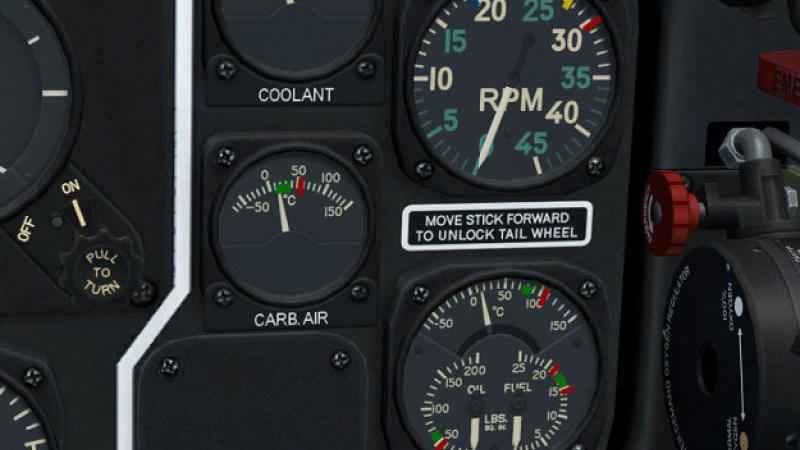
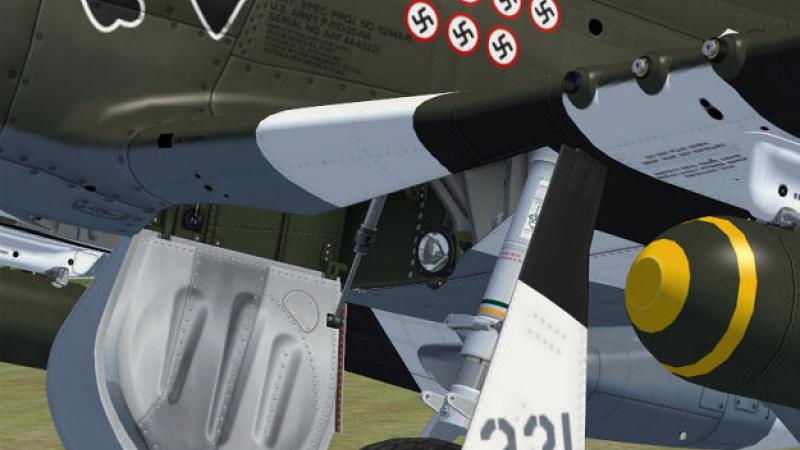
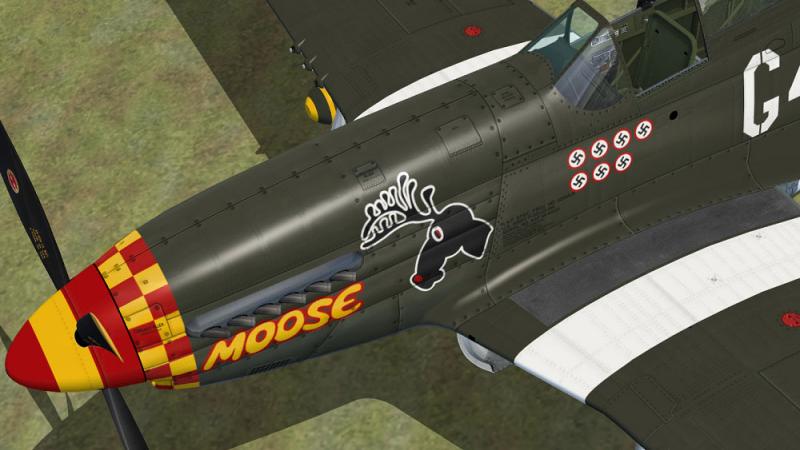
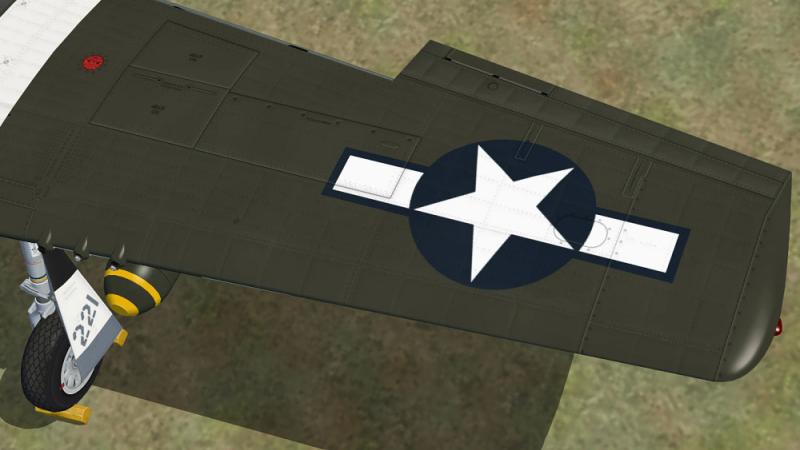
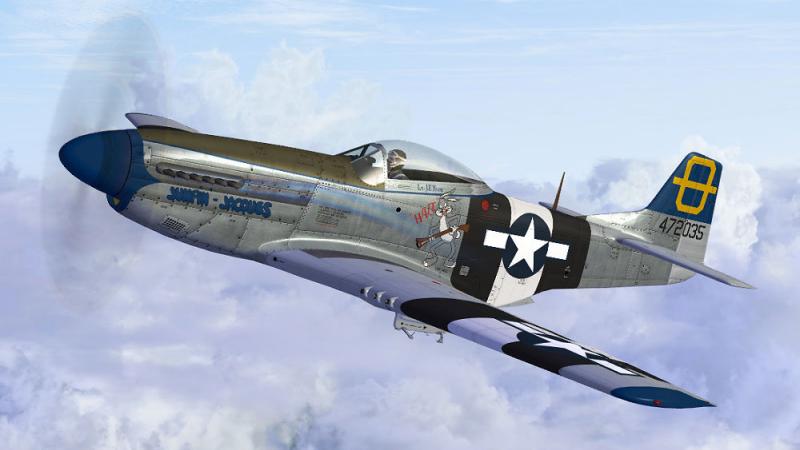
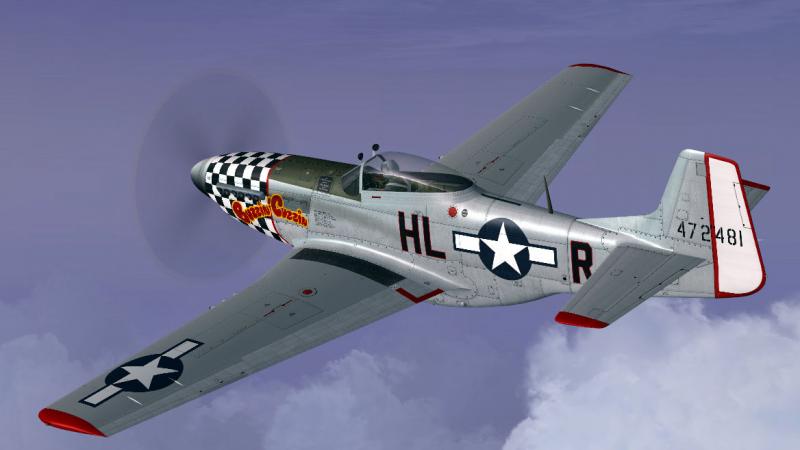
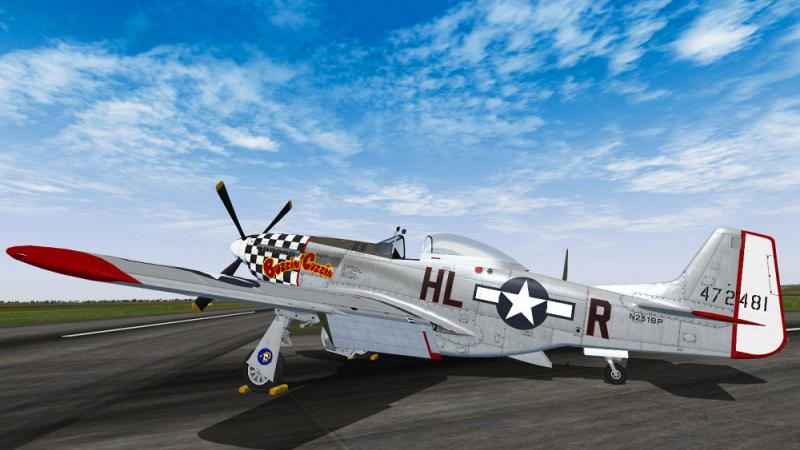
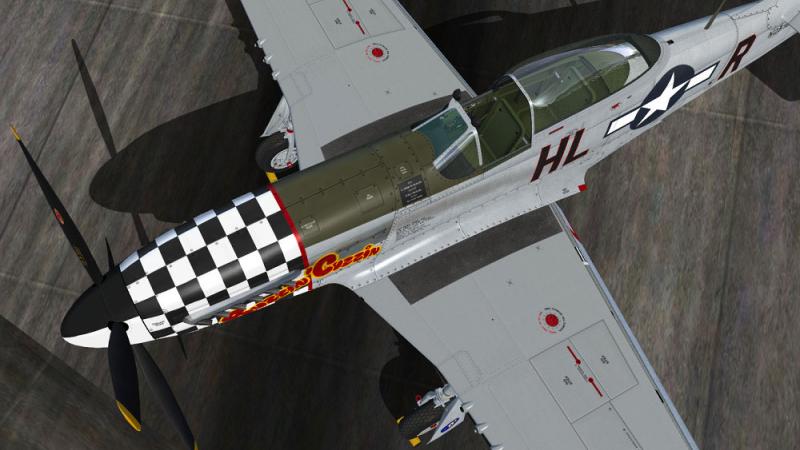
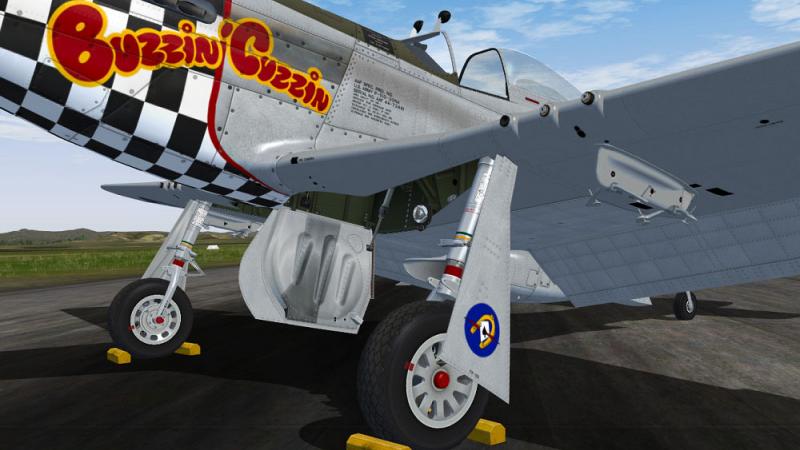
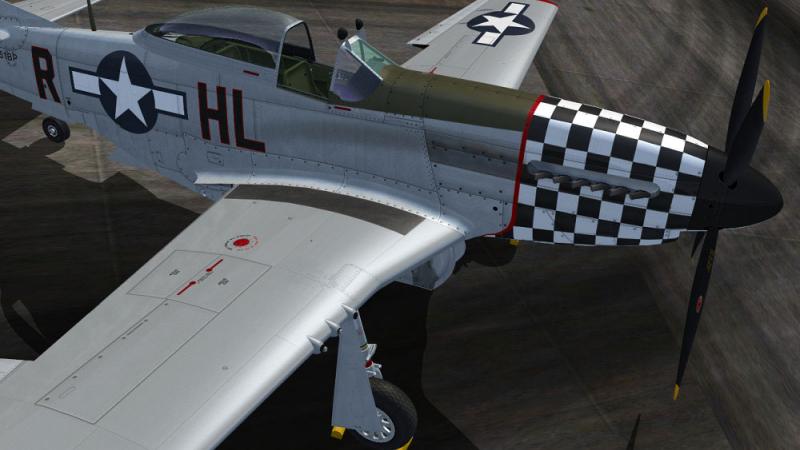
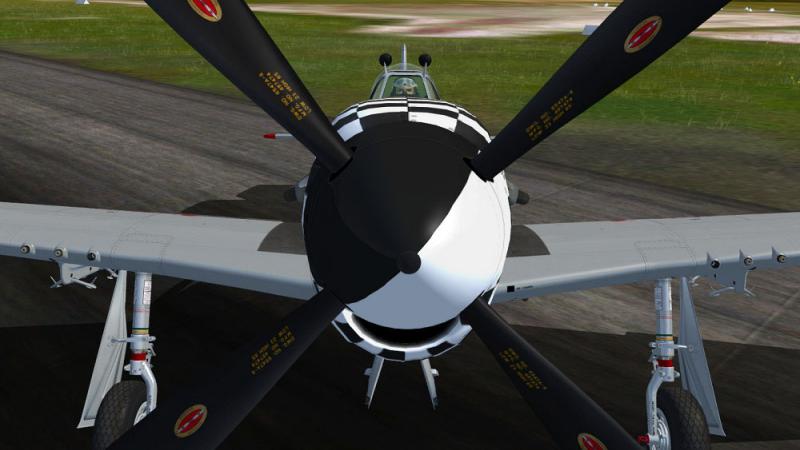
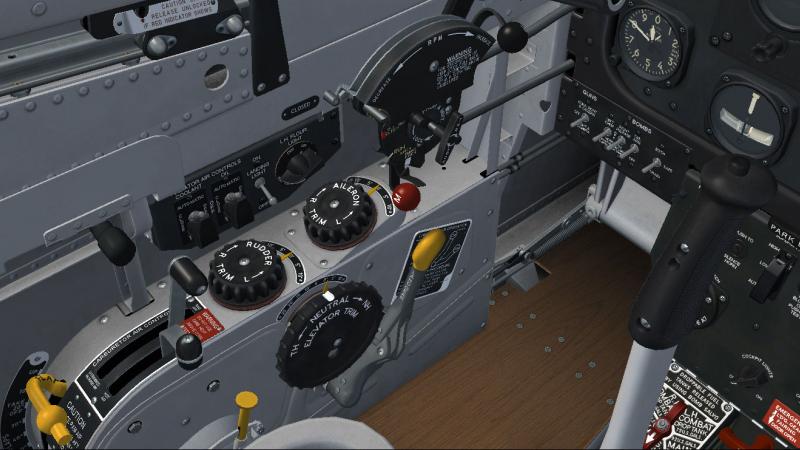
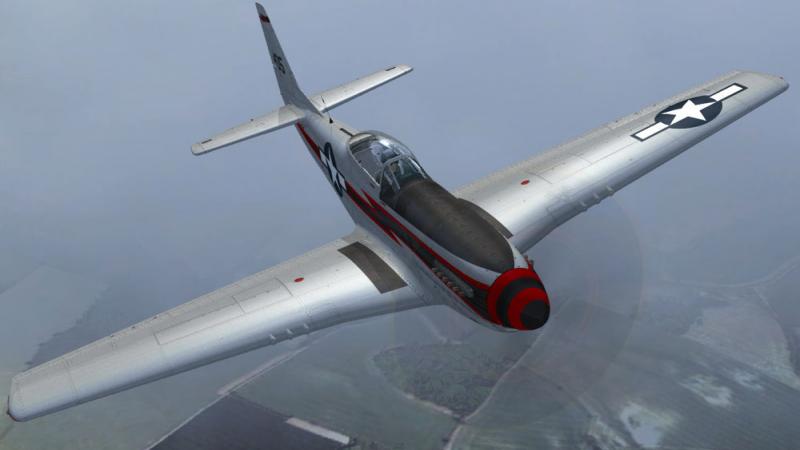
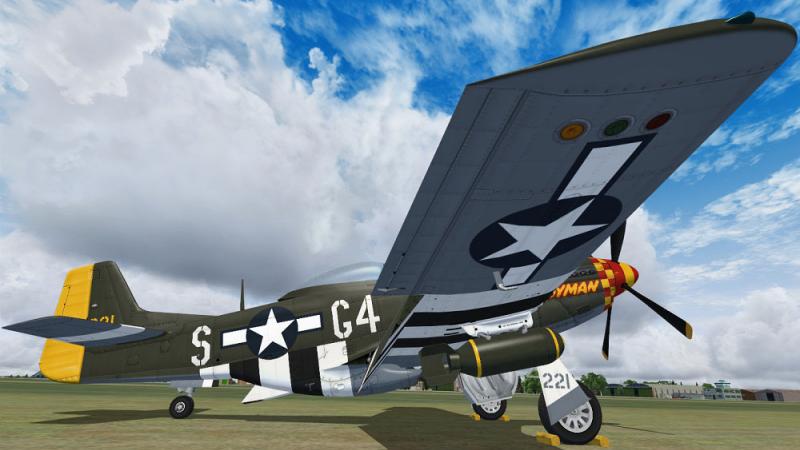
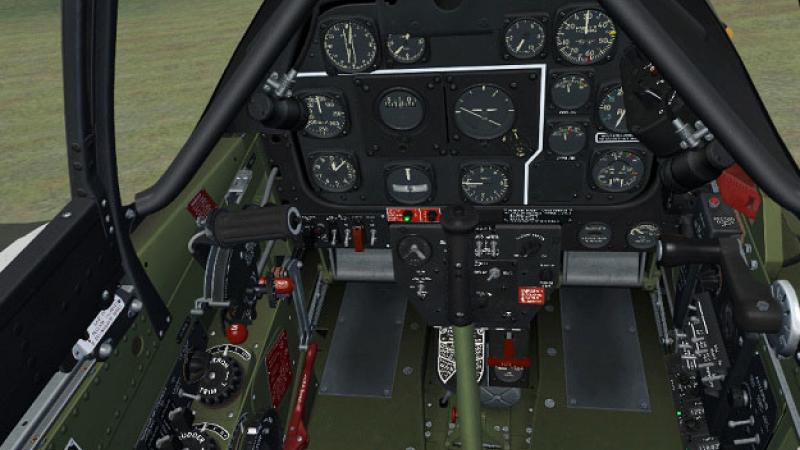
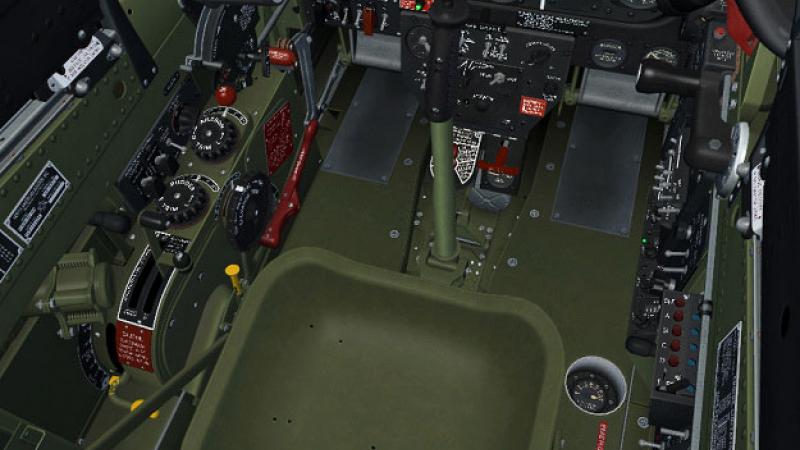
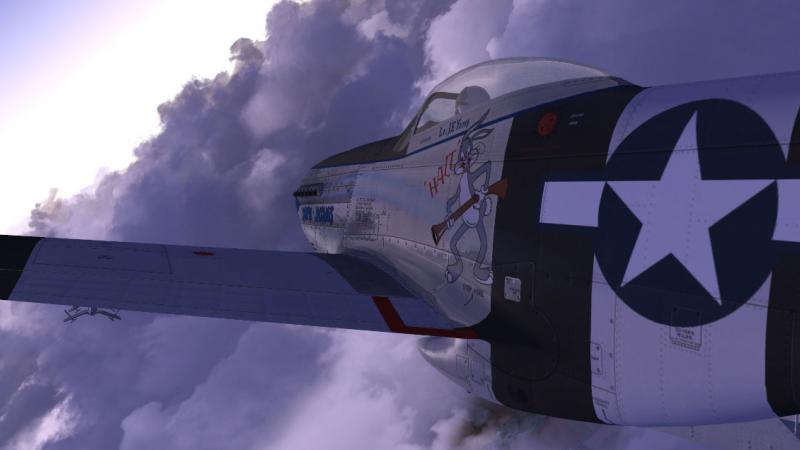
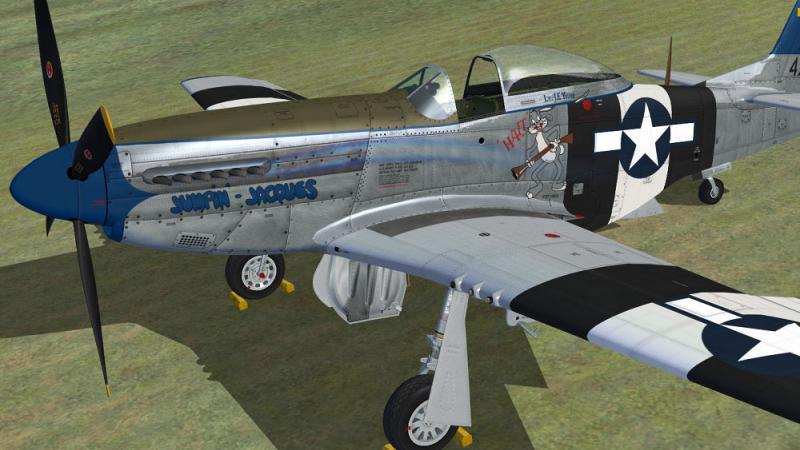
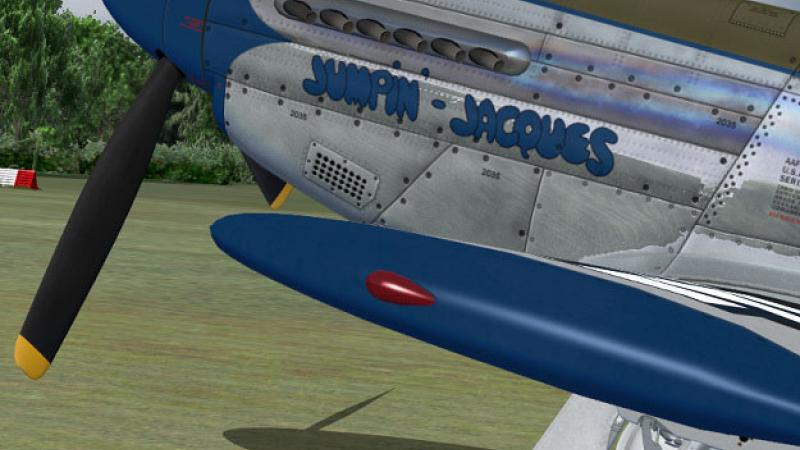
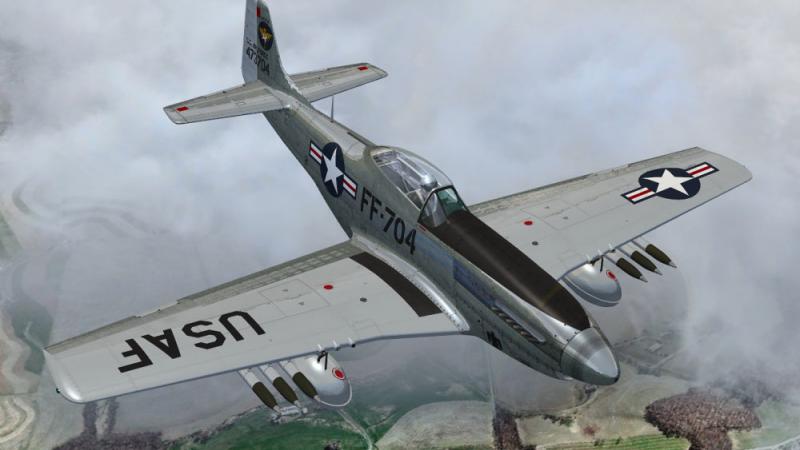
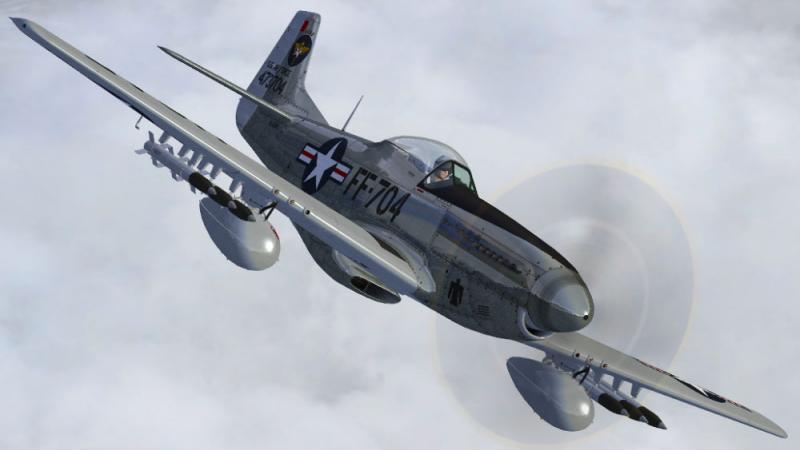
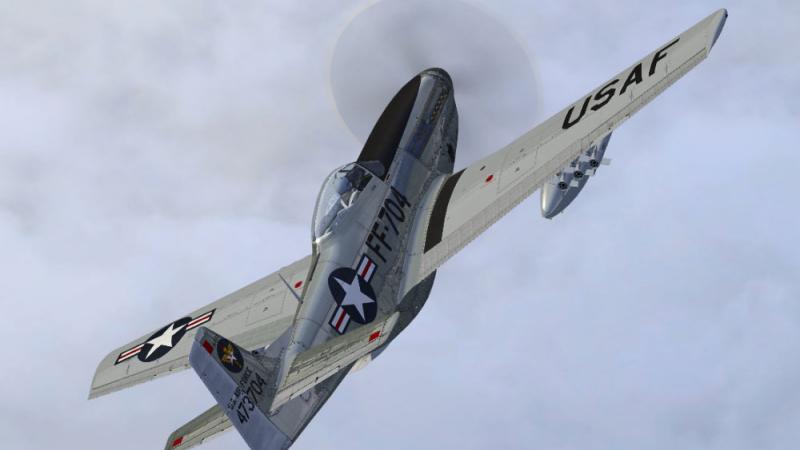
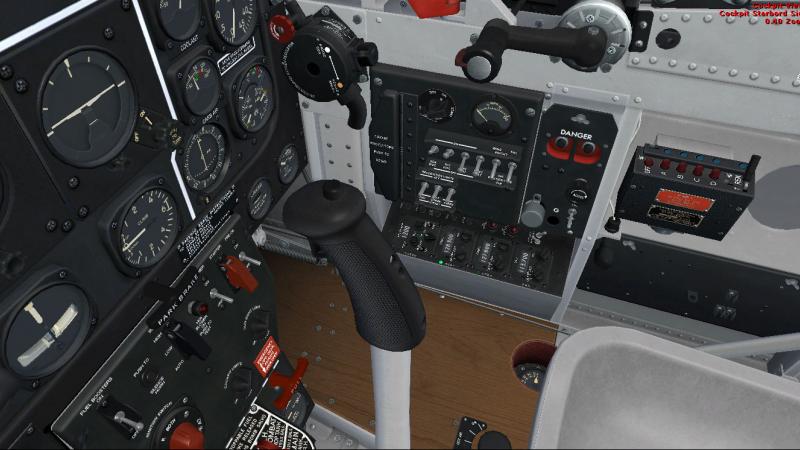
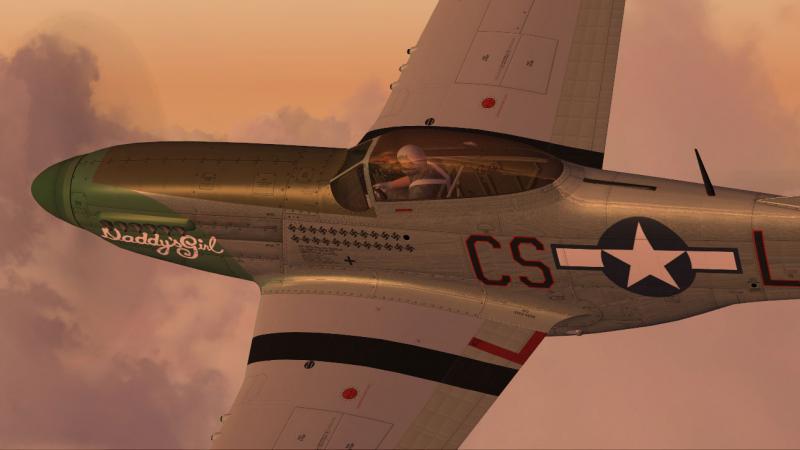
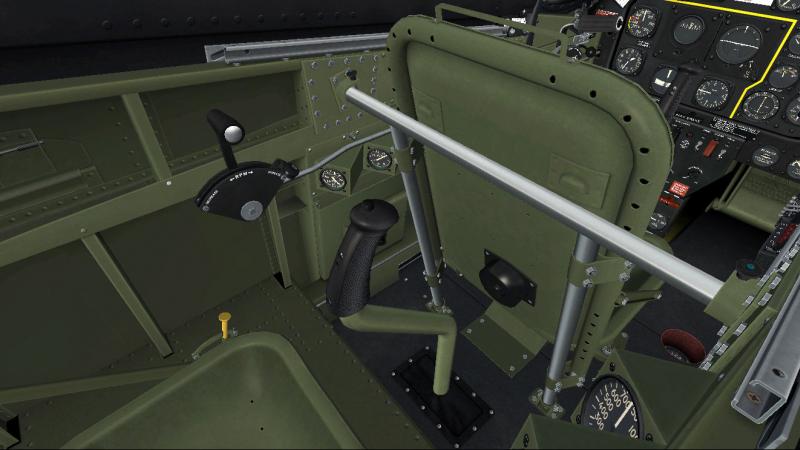
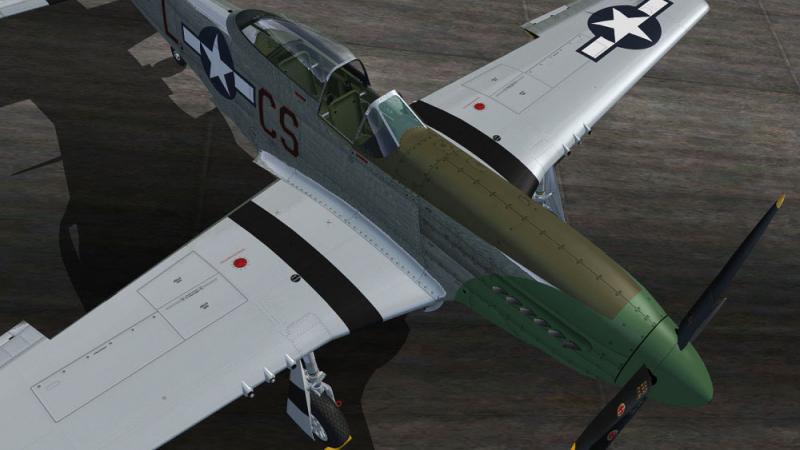
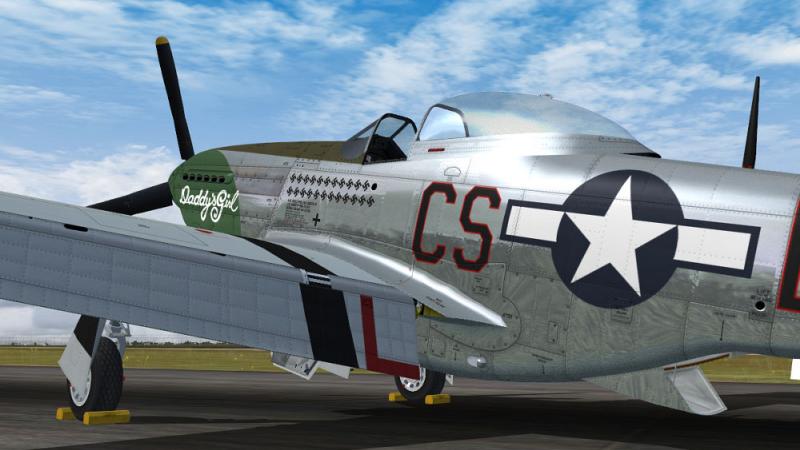
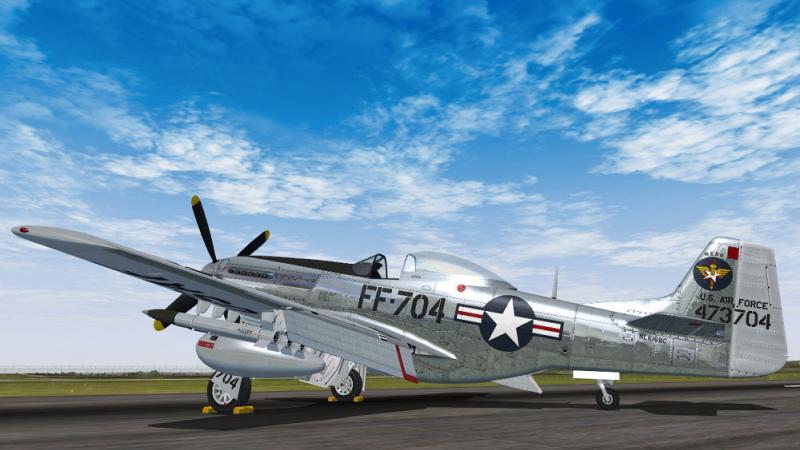
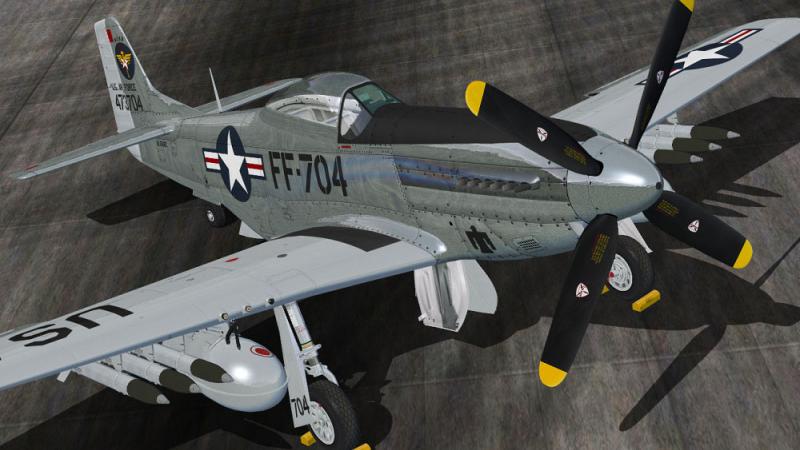
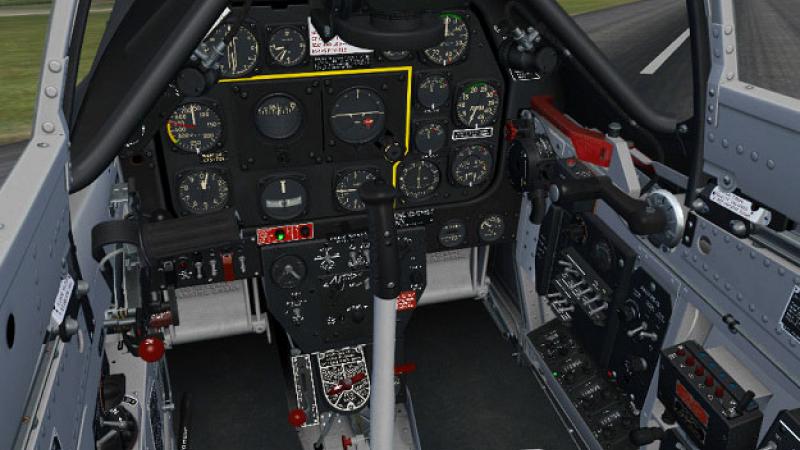
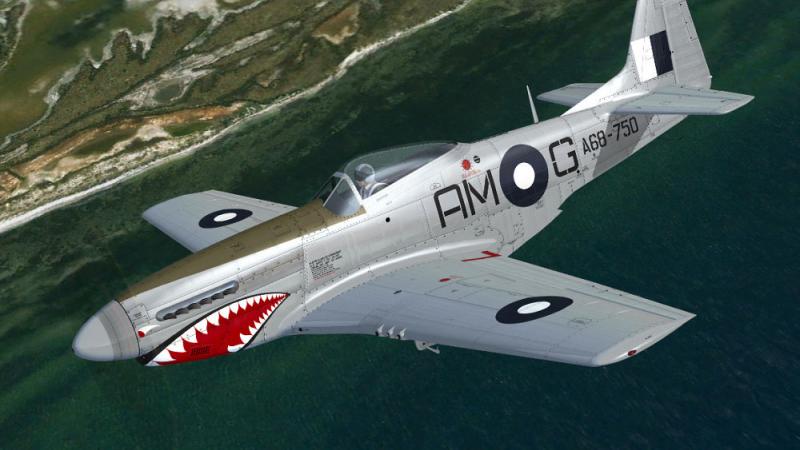
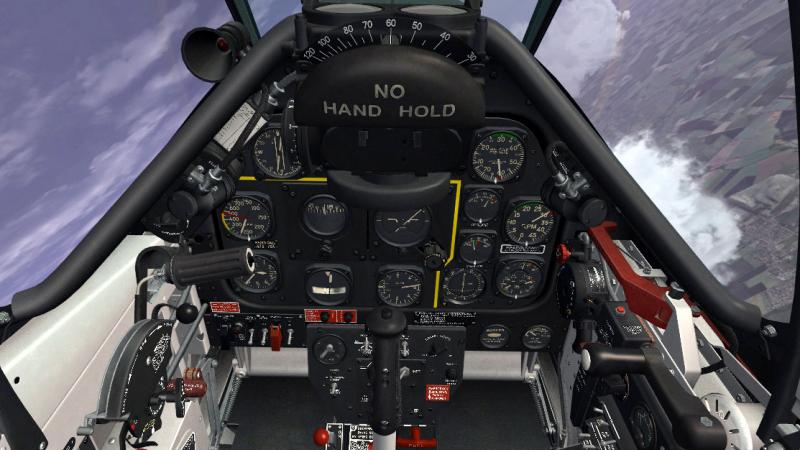
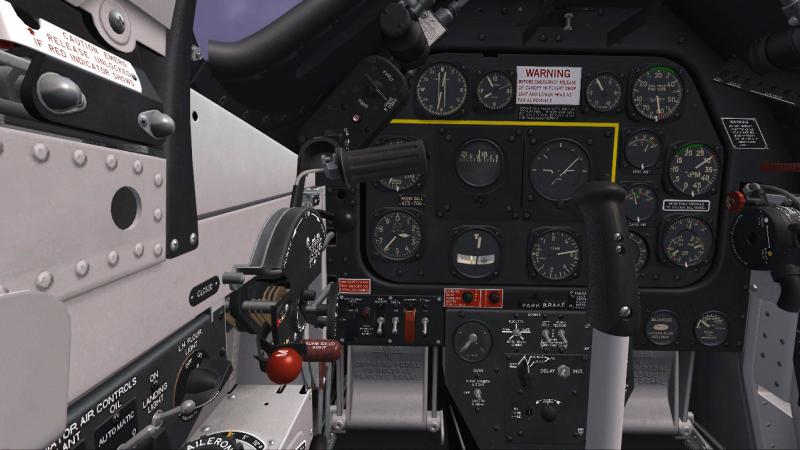
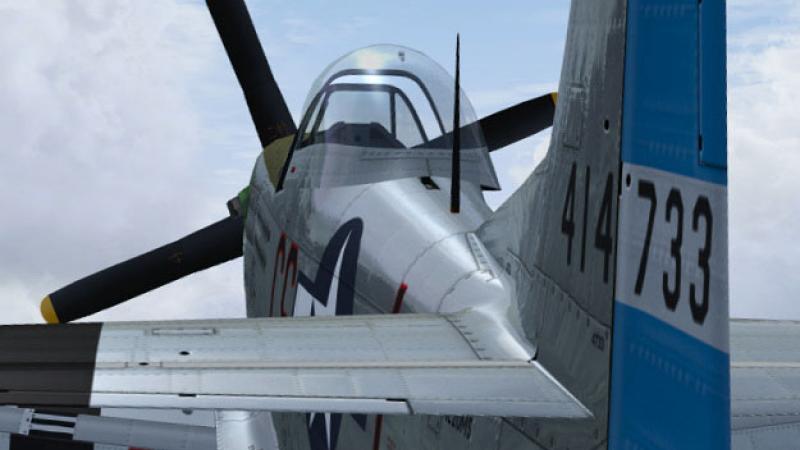
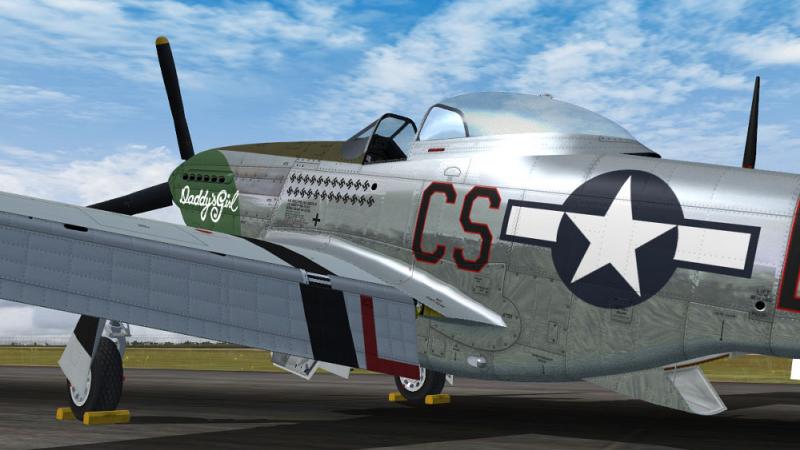
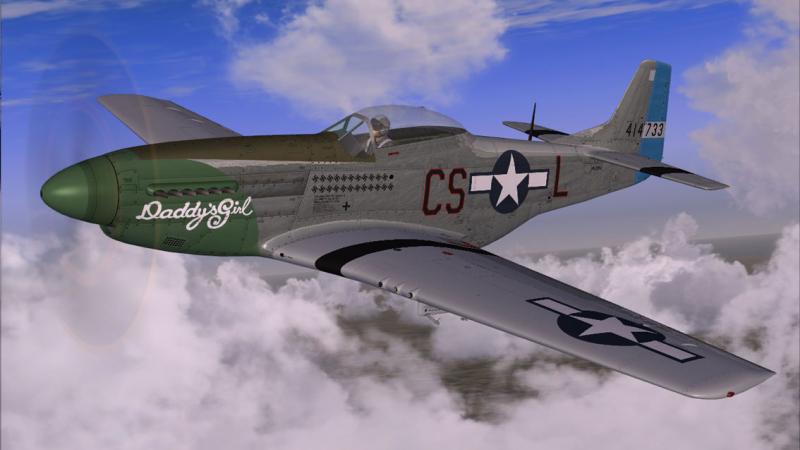
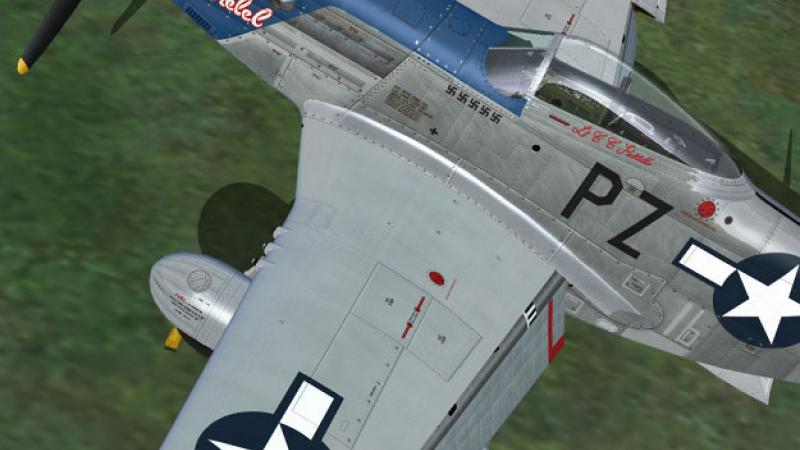
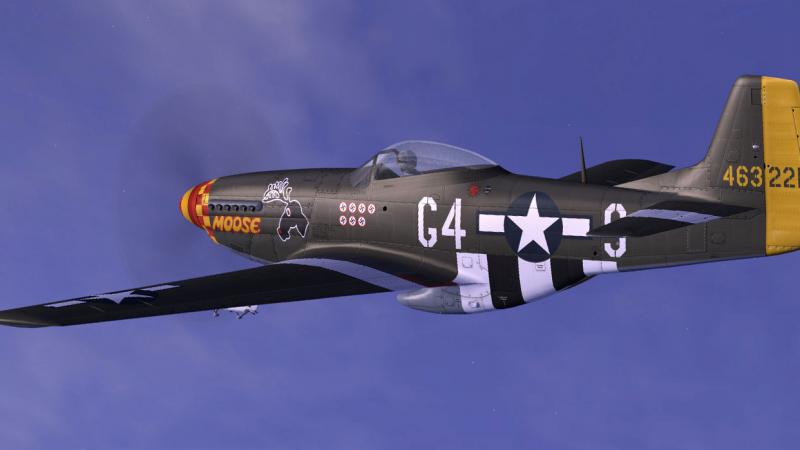
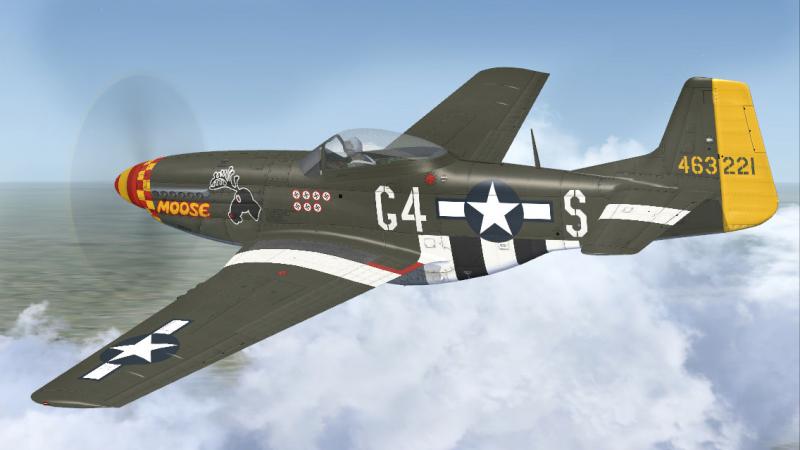
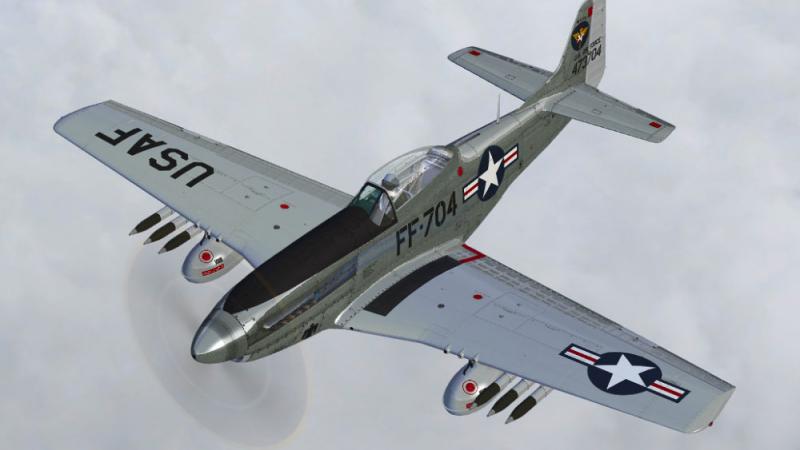
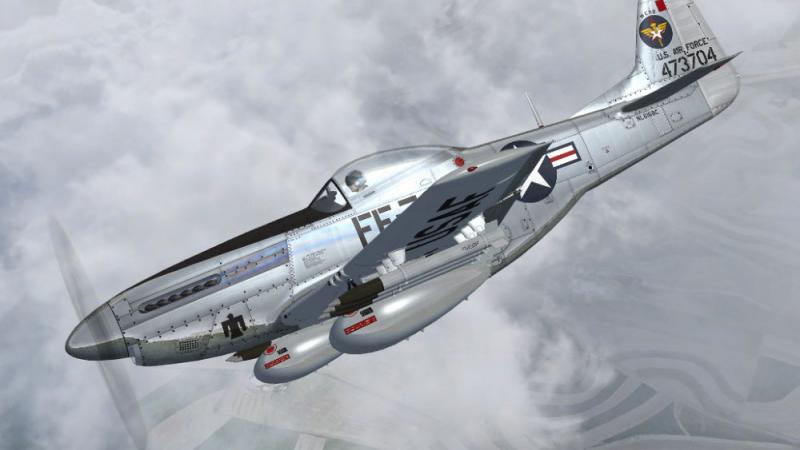
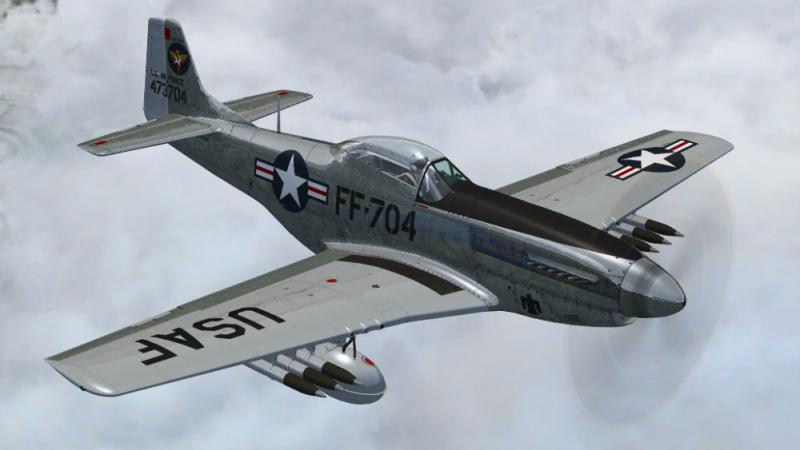
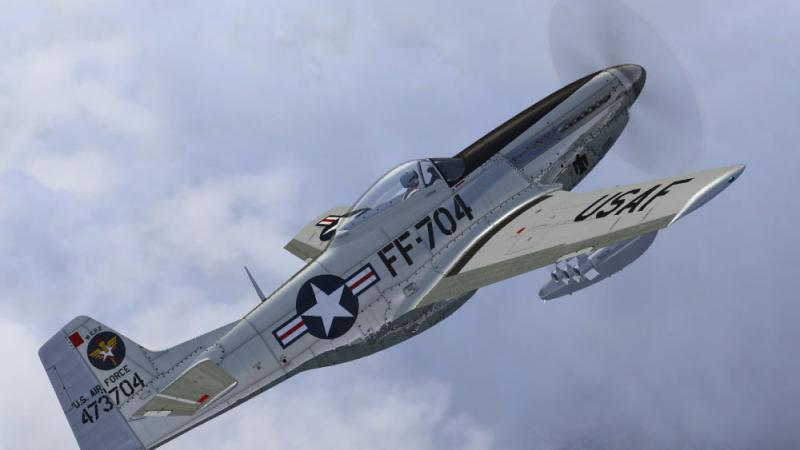
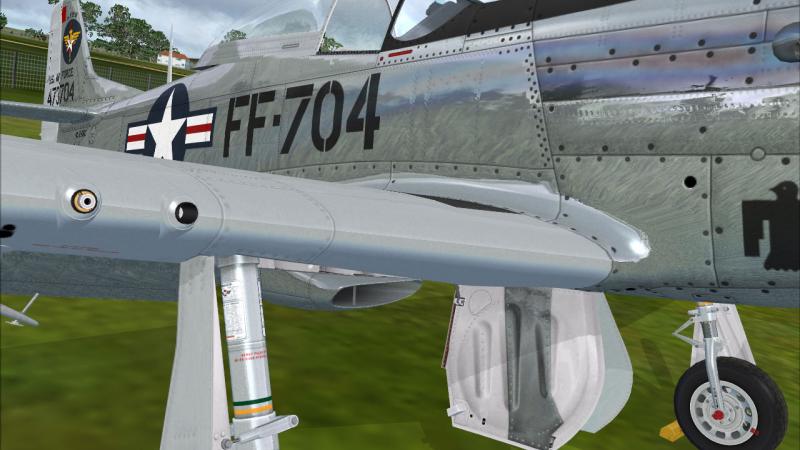
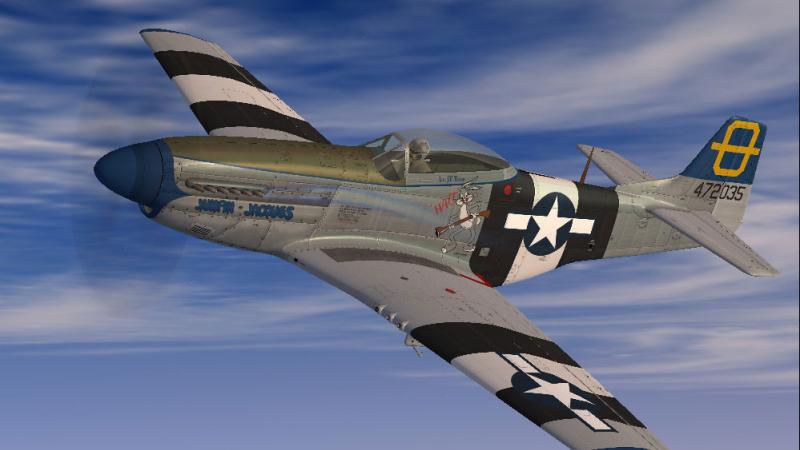
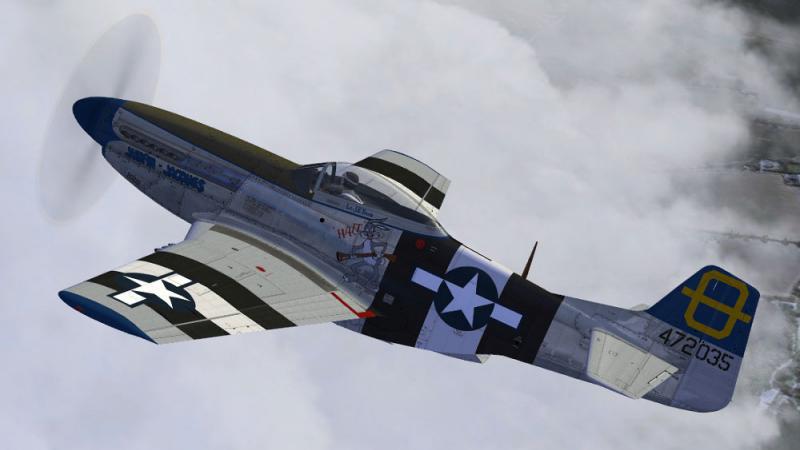
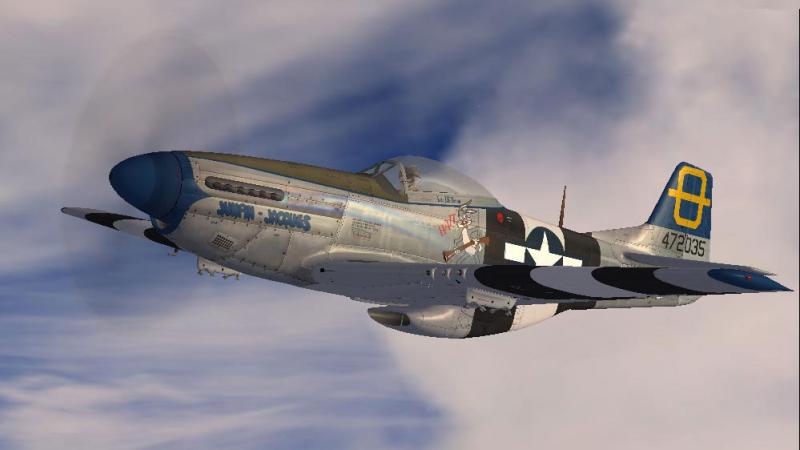
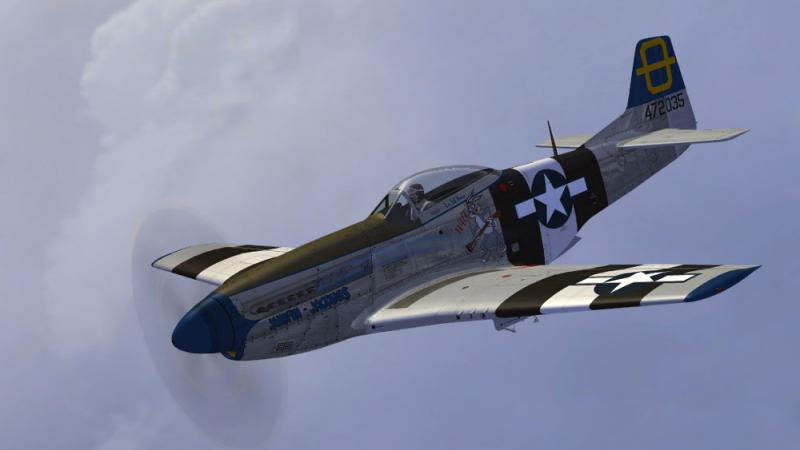
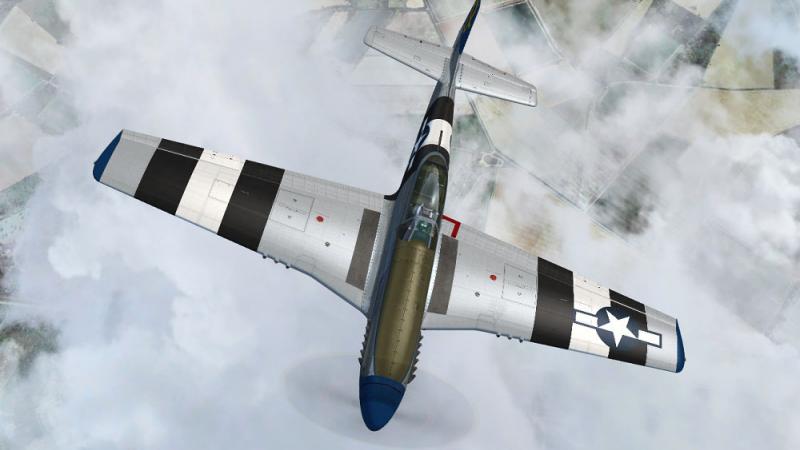
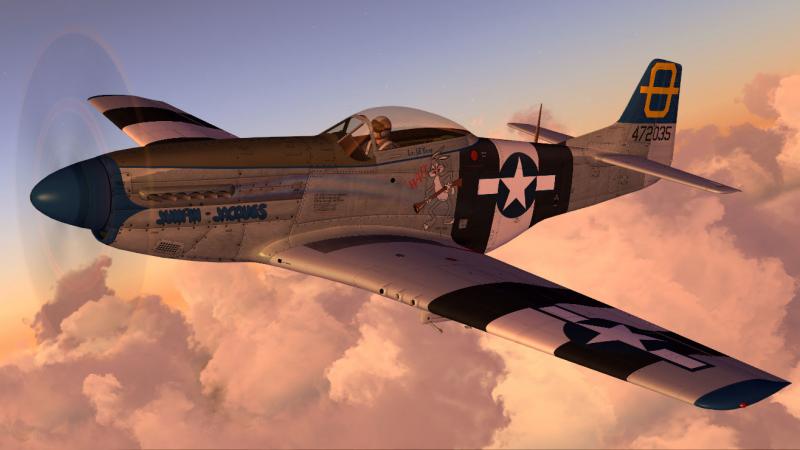
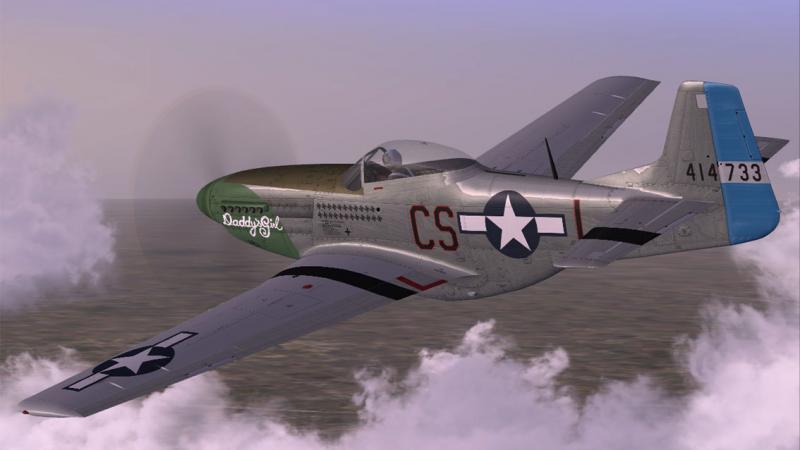
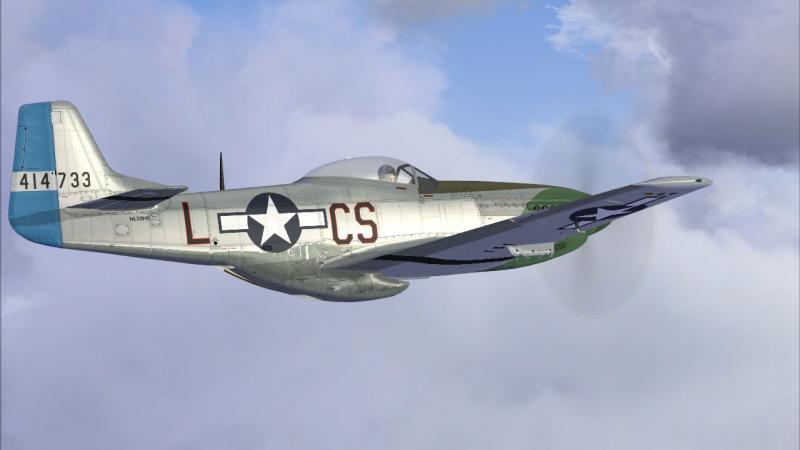
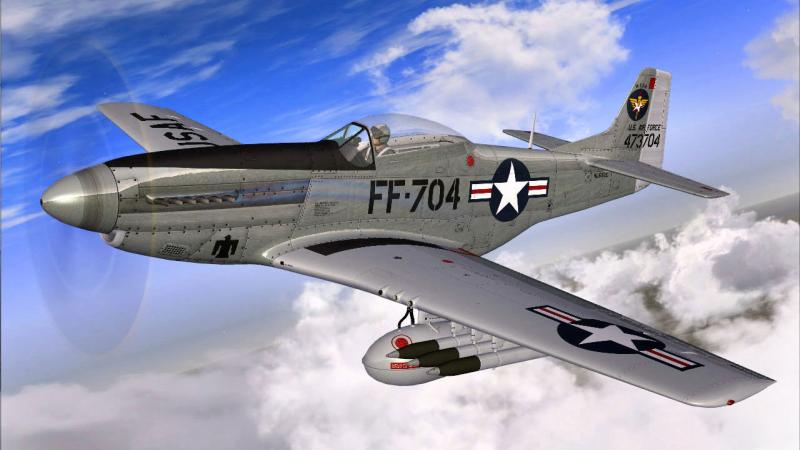
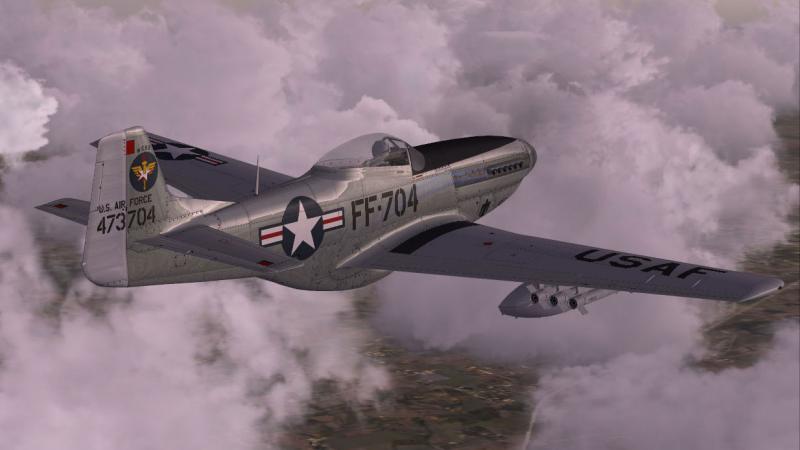
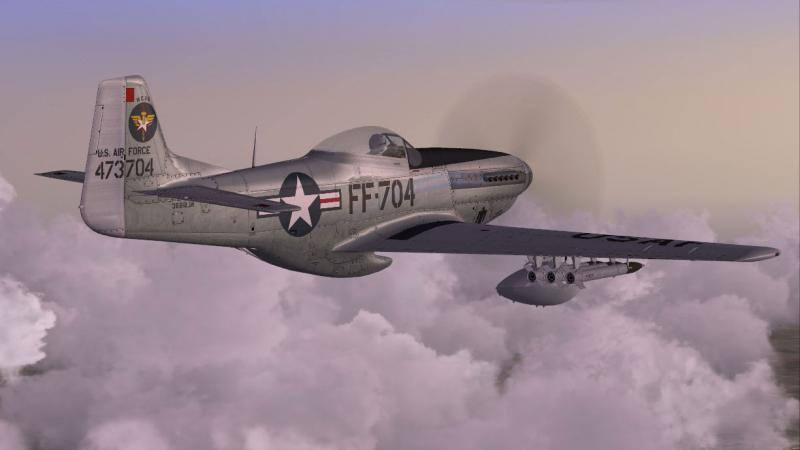
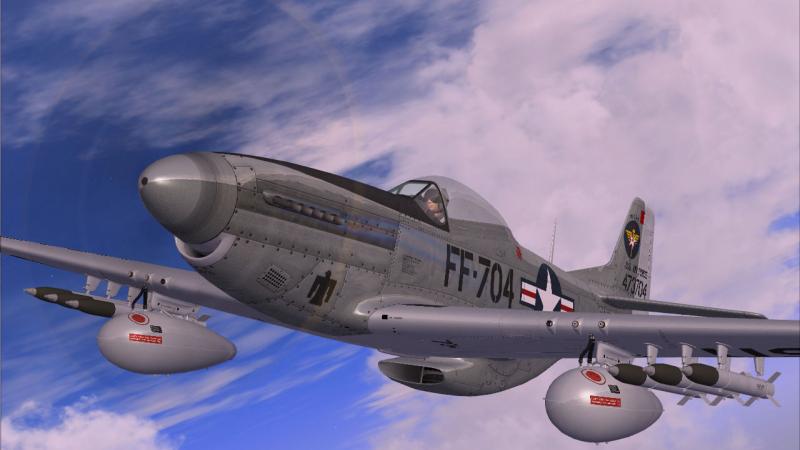
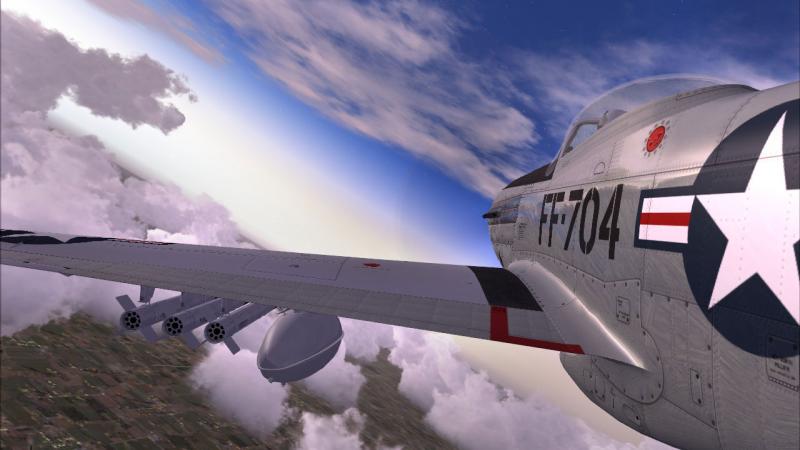
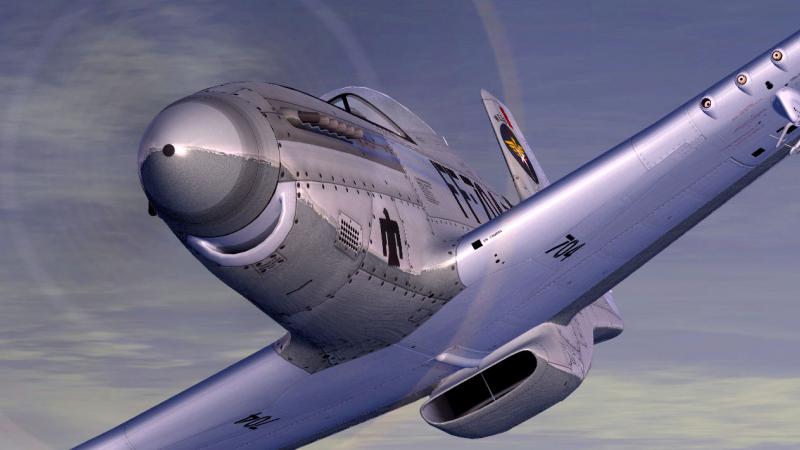
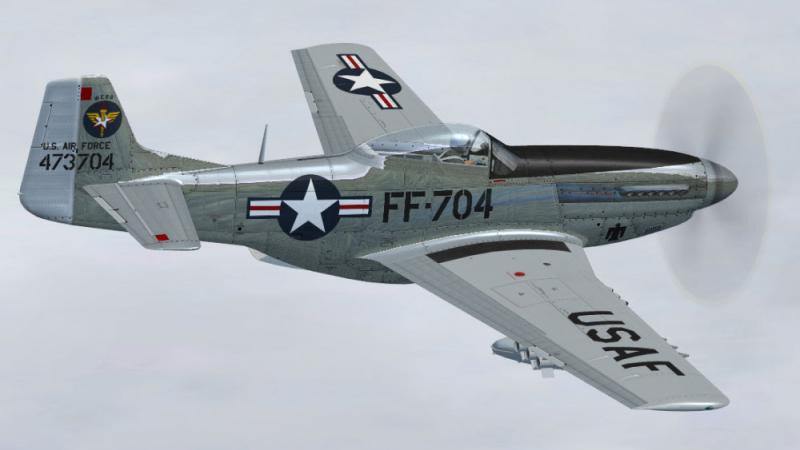
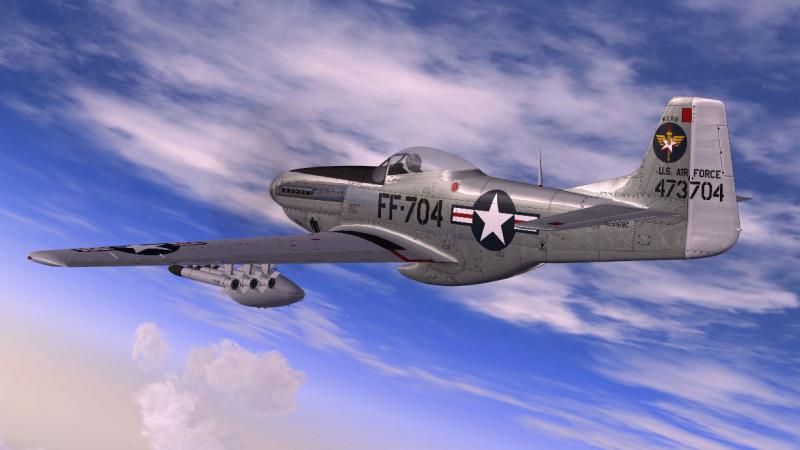
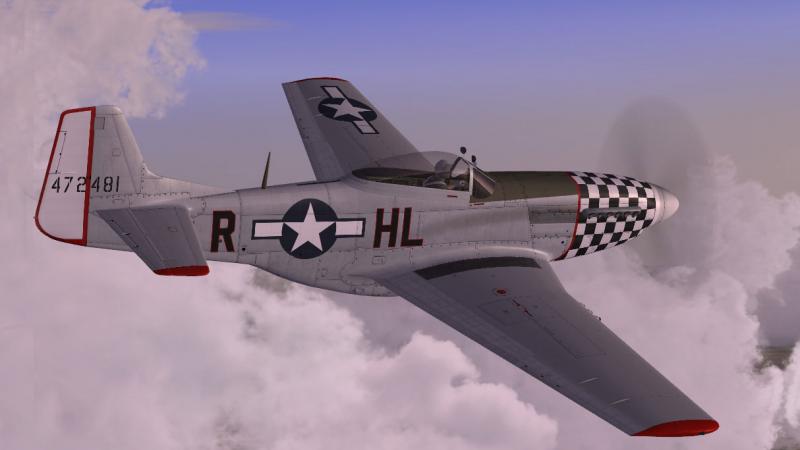
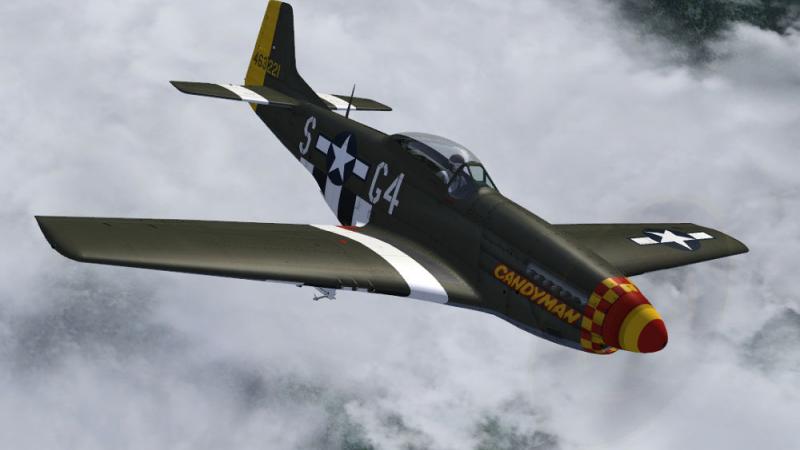
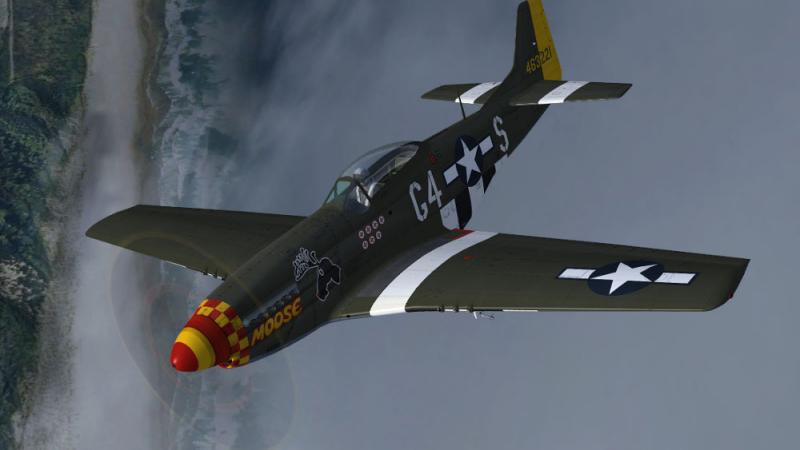
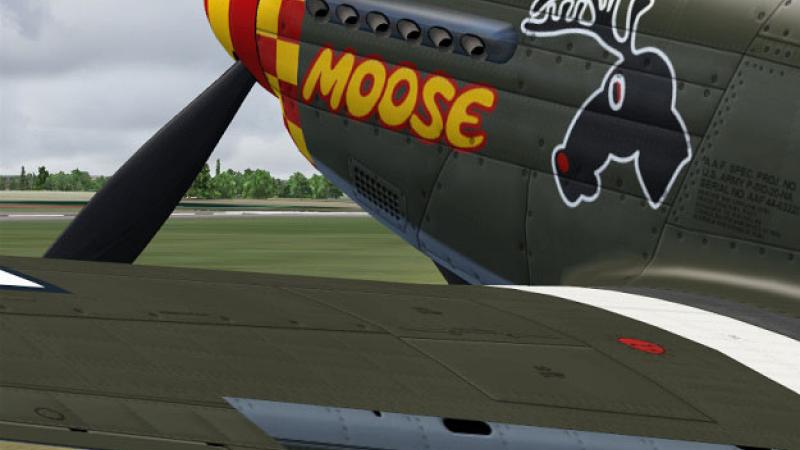
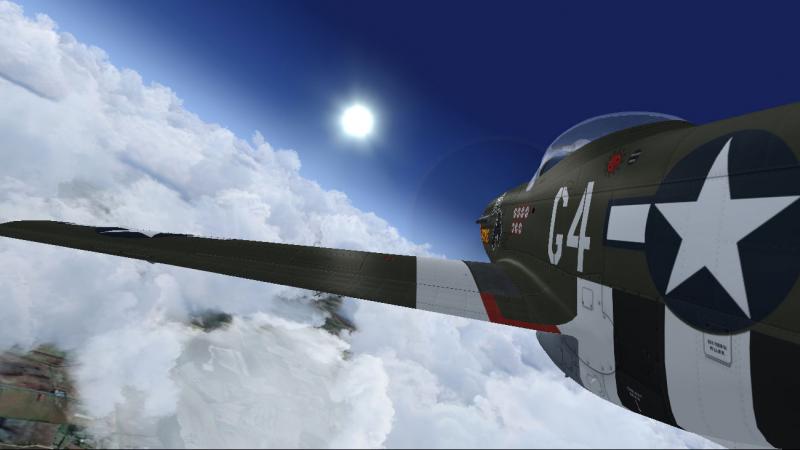
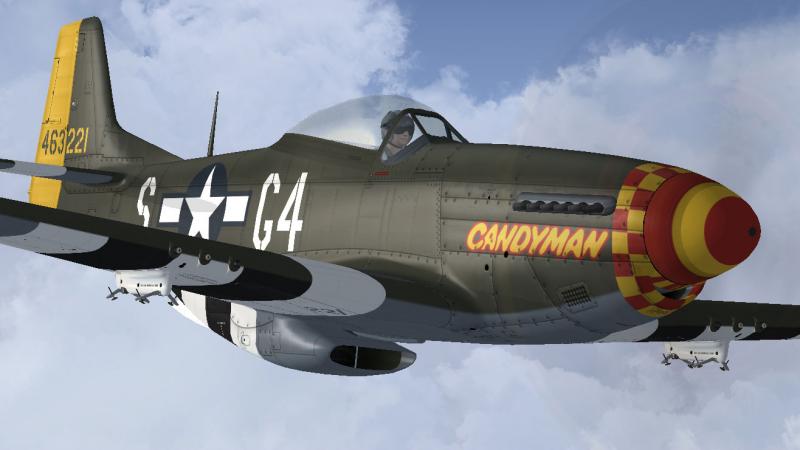
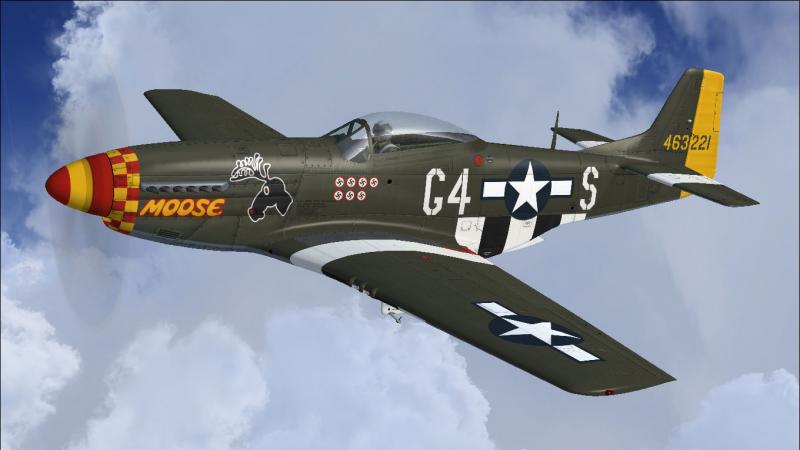
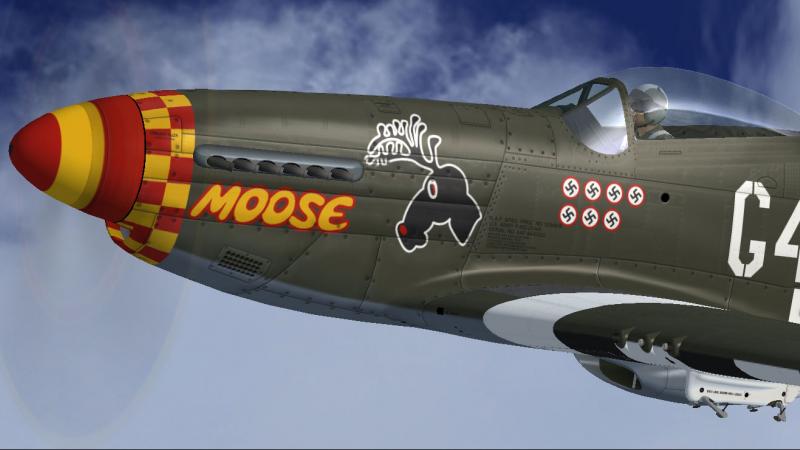
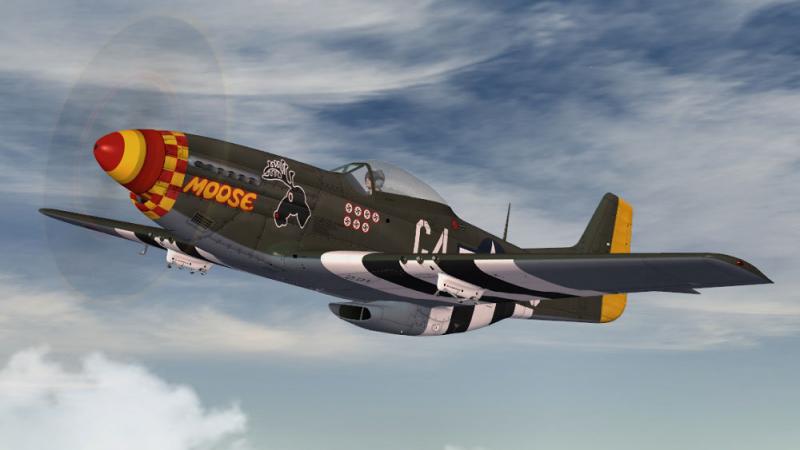
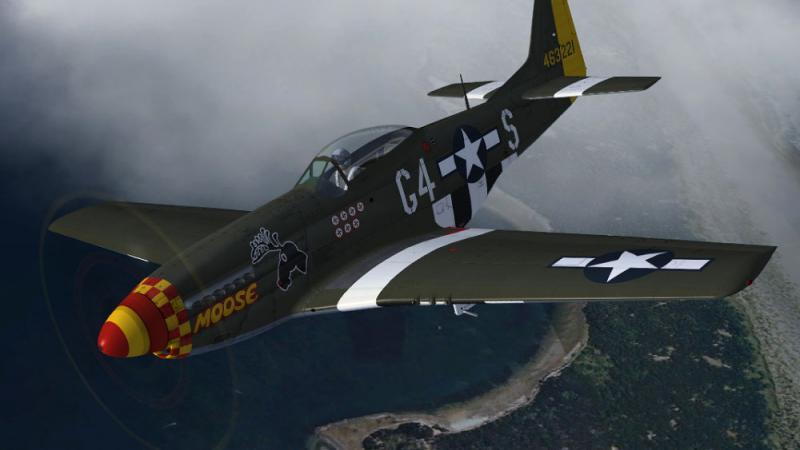
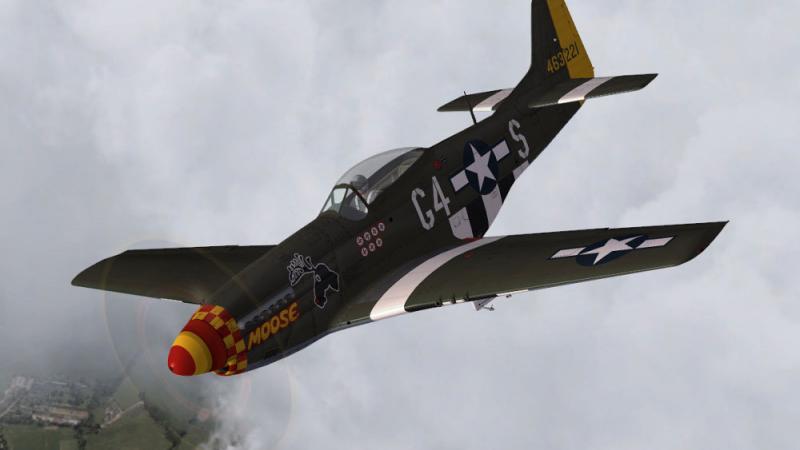
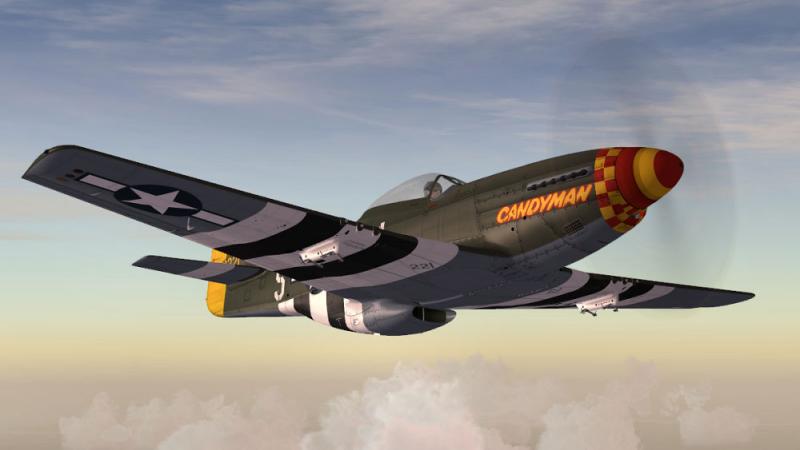
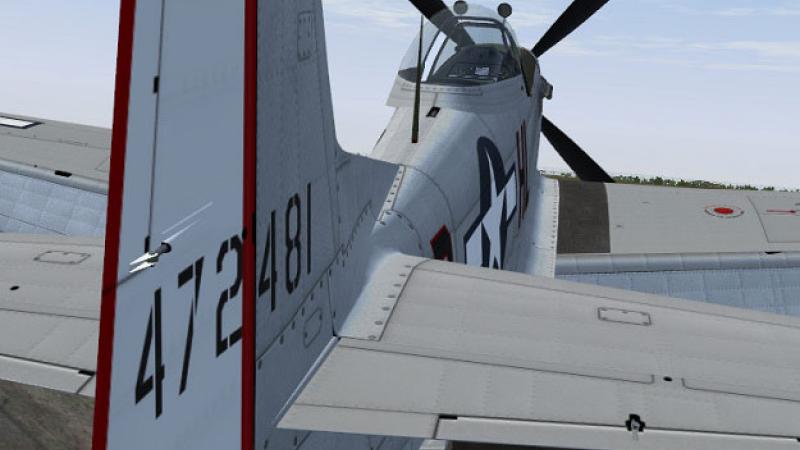
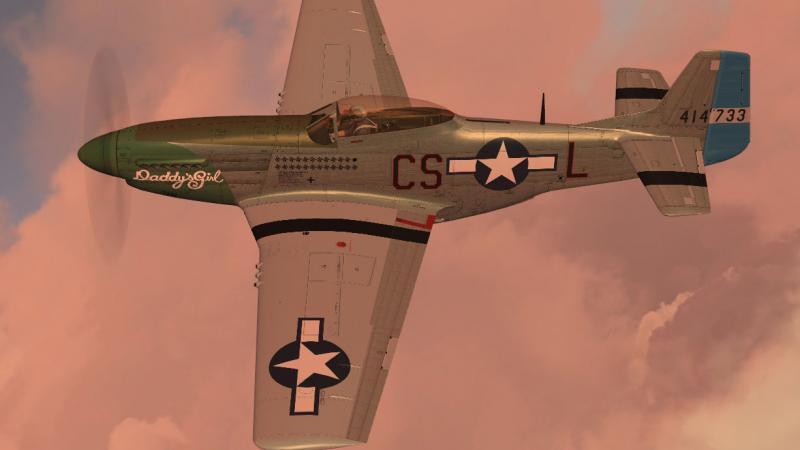
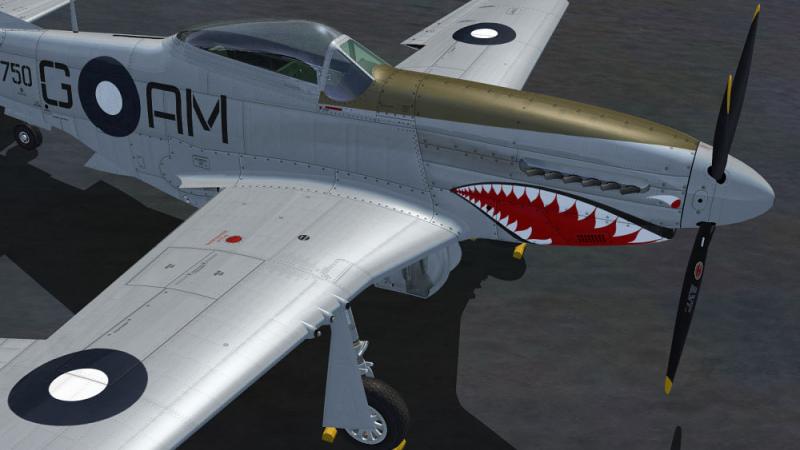
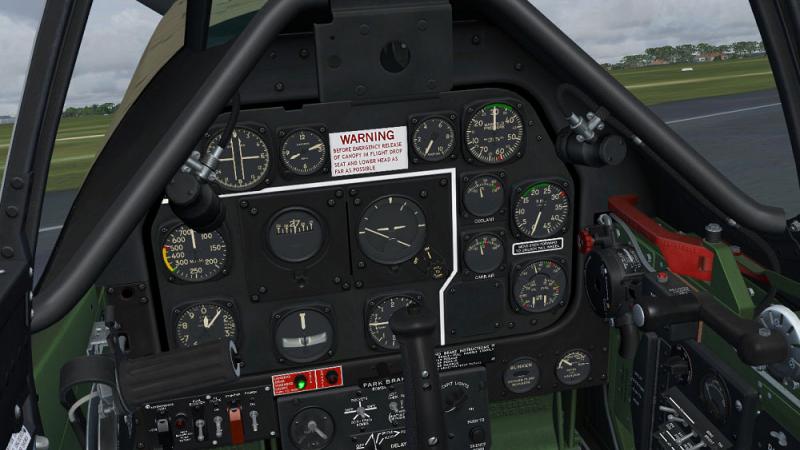
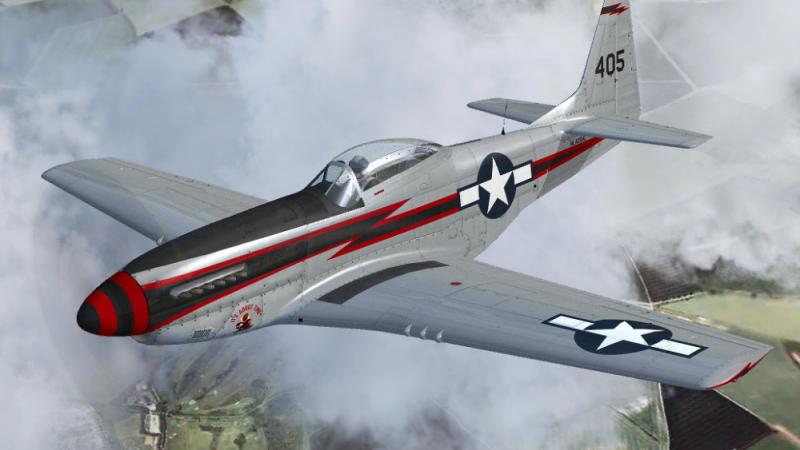
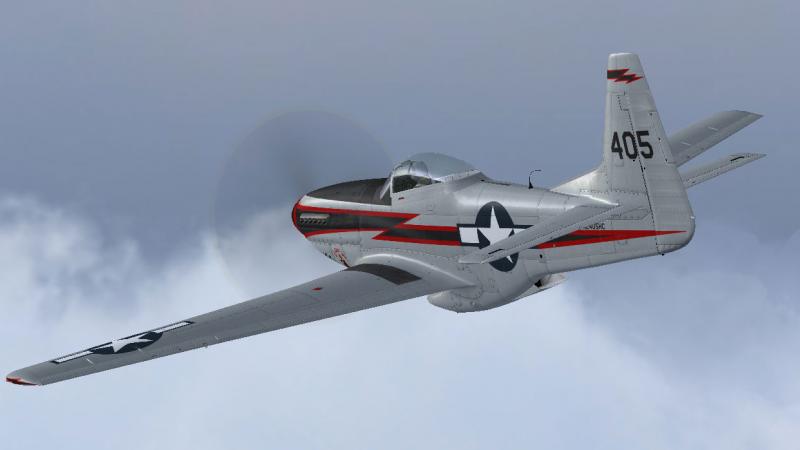
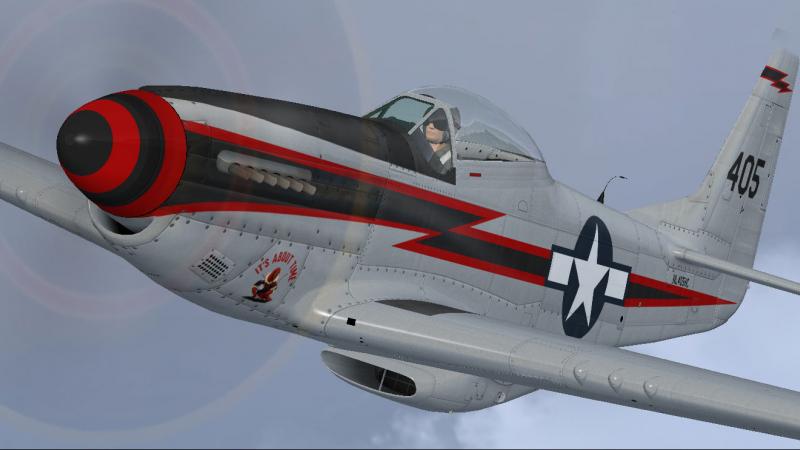
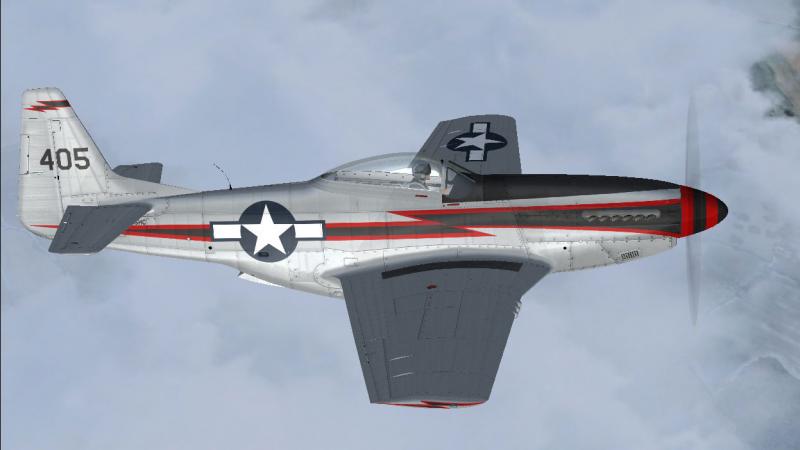
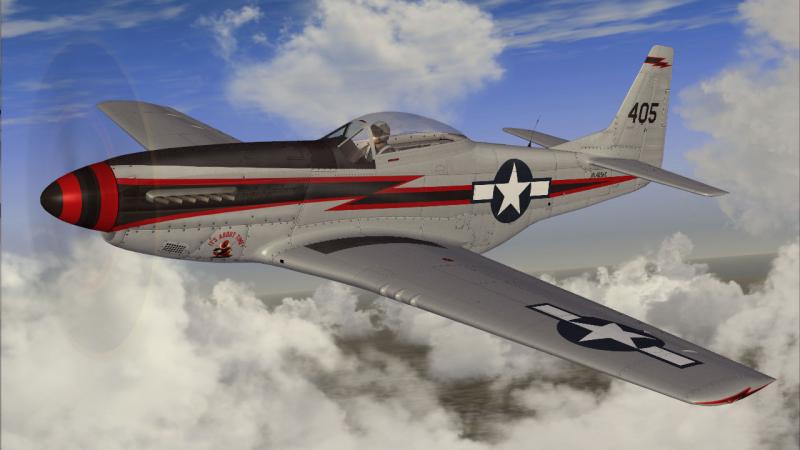
Restored examples as they fly today across the world are represented in this series and not detracting from the historical importance of this iconic aircraft either since these are some of the finest representations of the breed!
Using ORIGINAL North American plans and blueprints and working from literally thousands of photographs and sketches incorporating three years of extensive research and development. This is THE enthusiasts definitive version that many have long been waiting for brought to life with all the loving care and stunning attention to detail our studios are becoming renowned for.
Represented in this definitive work of rare and unique models of the thoroughbread fighter are a host of details from the small but significant to the spectacular. This is as close as you will get to flying the real P-51D in FSX!
SPECIAL RENDERING & LIGHTING FX
Making use of the additional features in FSX such as unique, bump texturing and specular lighting add even additional authenticity to an already-wonderfully-detailed, 3d model (and special, reflective textures make the bare metal aircraft almost translucent as the original)!
The following aircraft are included in this unique and highly-detailed package:
SEVEN DIFFERENT & UNIQUE AIRCRAFT AS THEY FLY TODAY plus a Bonus Aircraft. Packard Merlin Sound Set as recorded in the real cockpit on the day with (over 84 hours of editing and mixing and cross-checking to get the right balances)! Complete Livery Package (see details below) for every version inc. subtle changes!
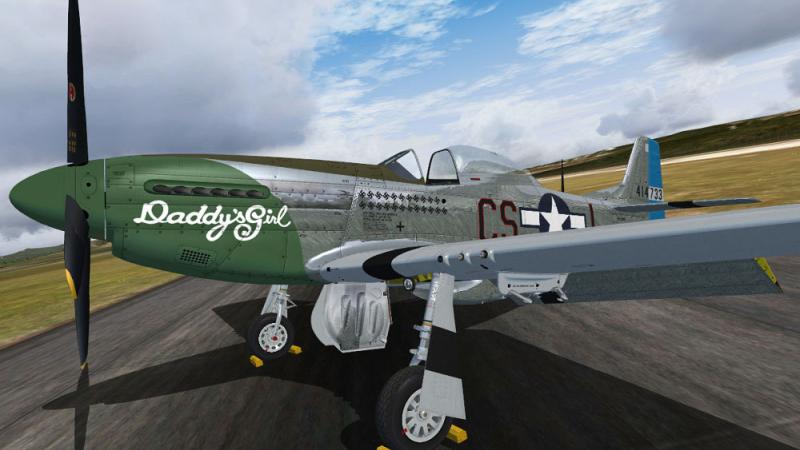
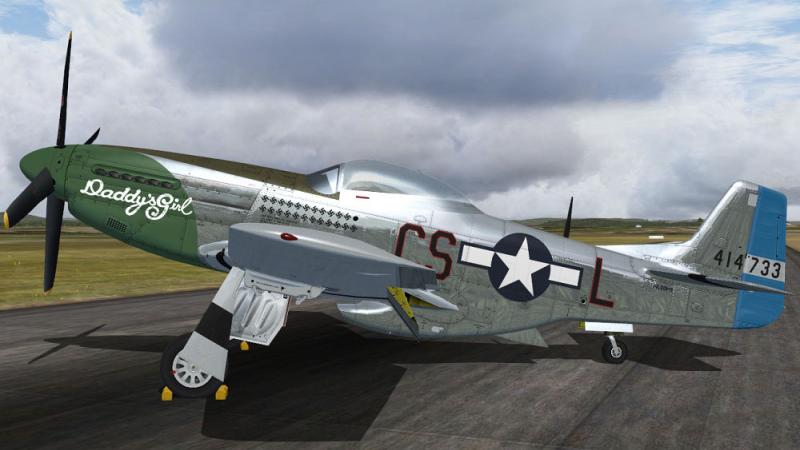
- P-51D-20NA 'Daddy's Girl'
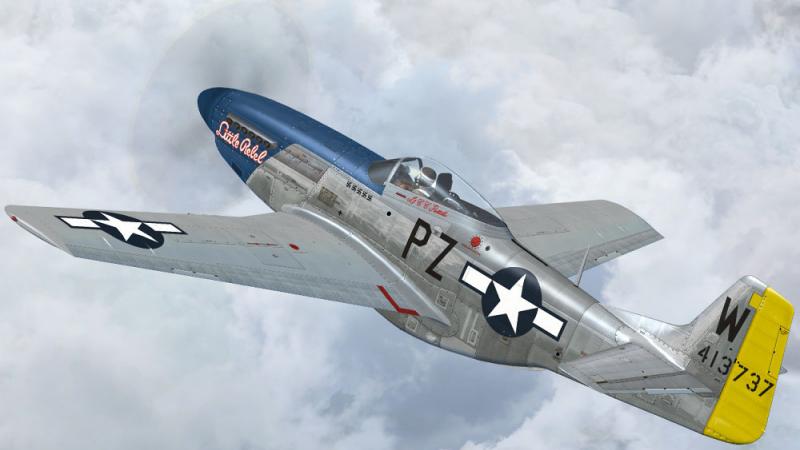
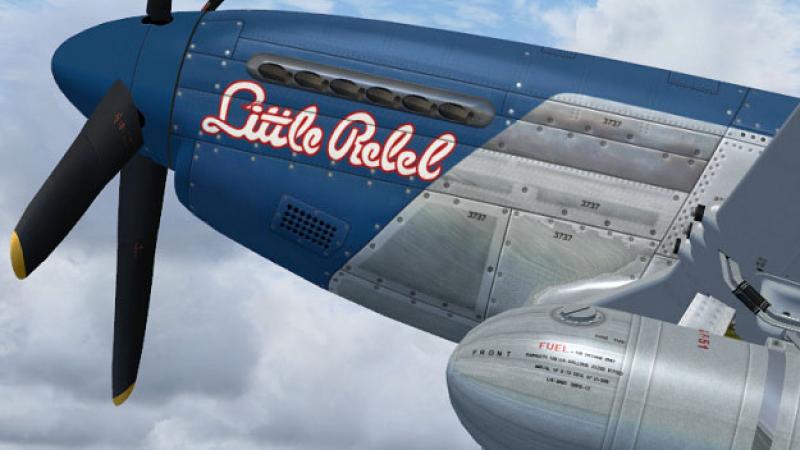
- P-51D-30NT 'Little Rebel'
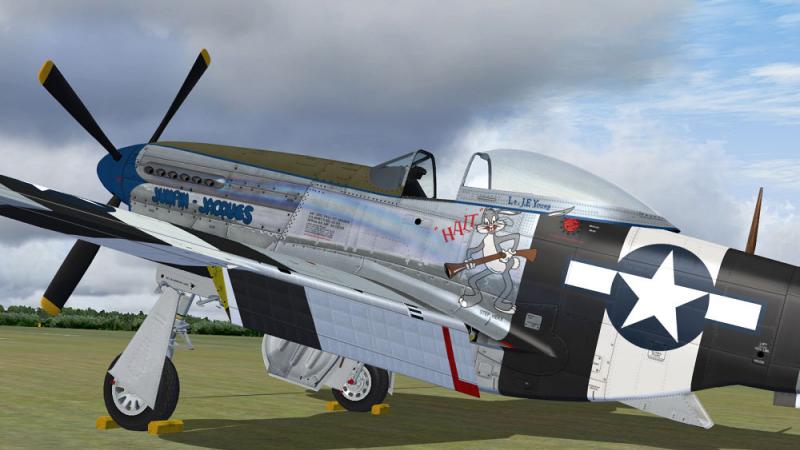
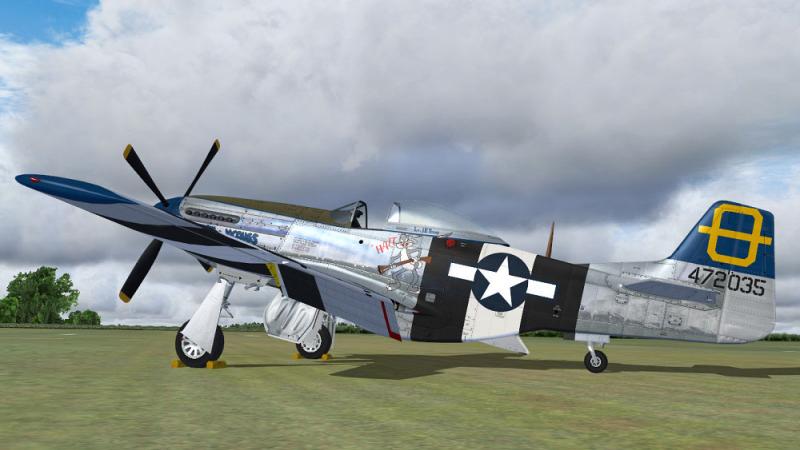
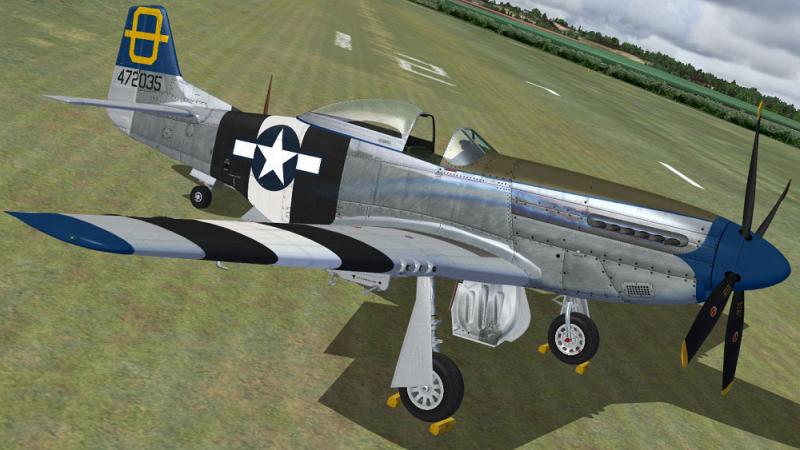
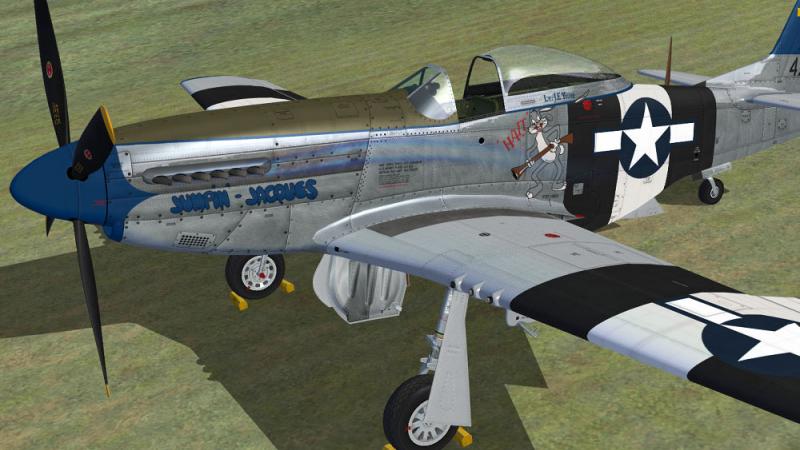
- P-51D-20NA 'Jumpin Jacques'
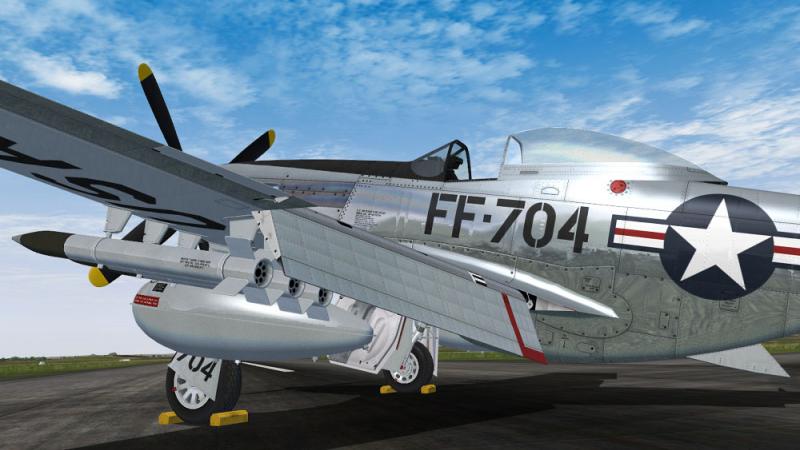
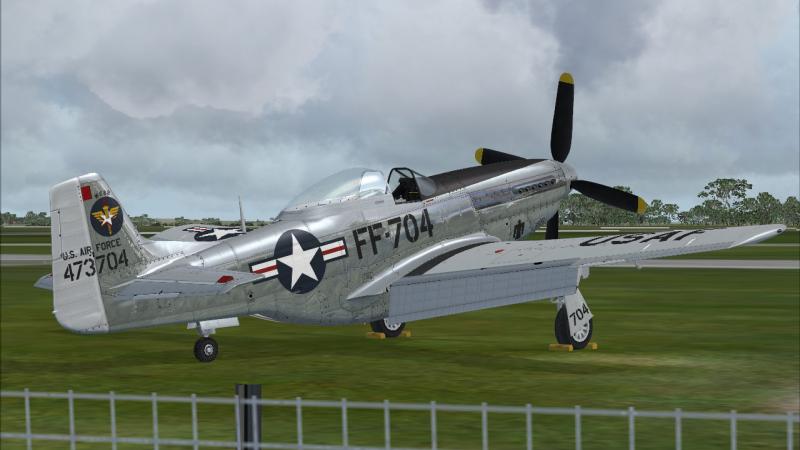
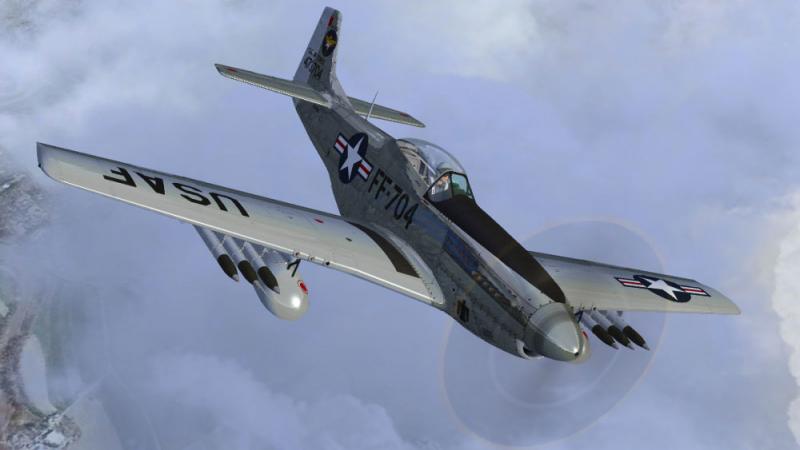
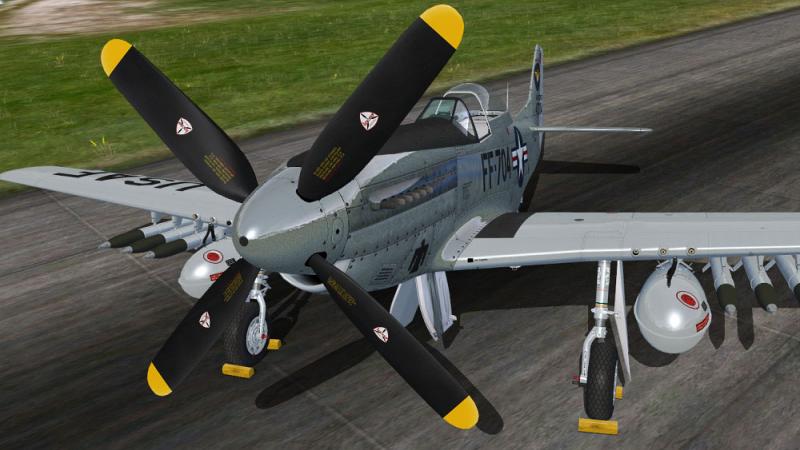
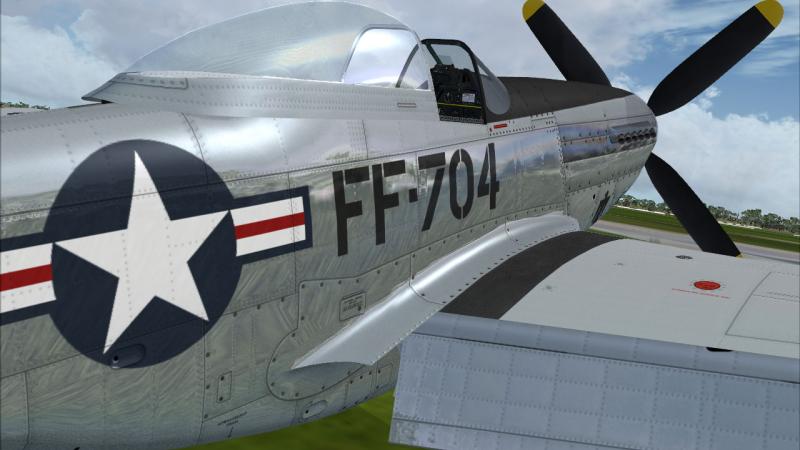
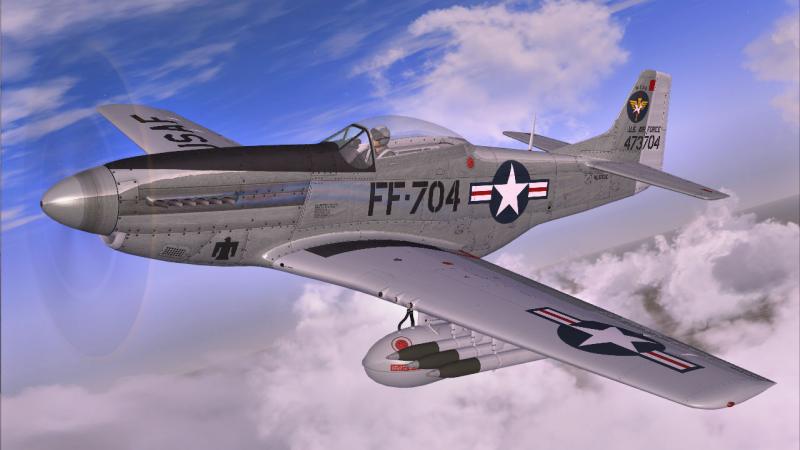
- P-51D-25NA USAF FF-704
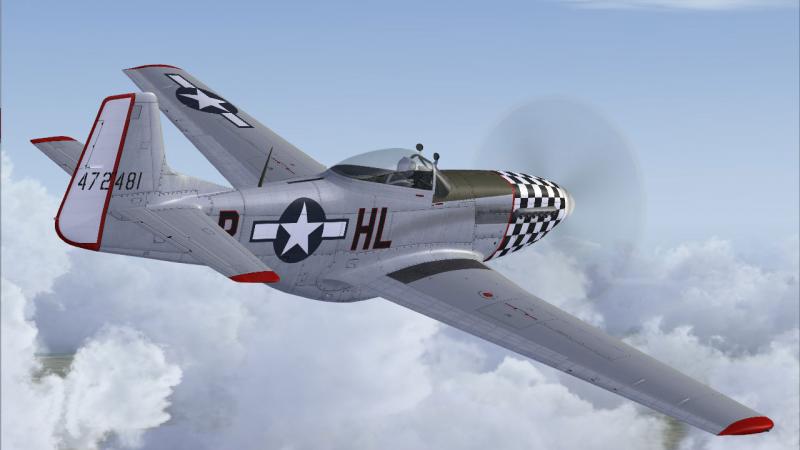
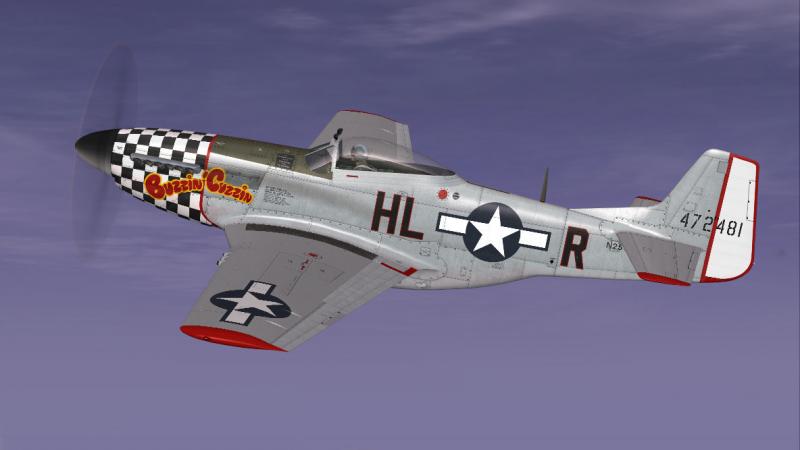
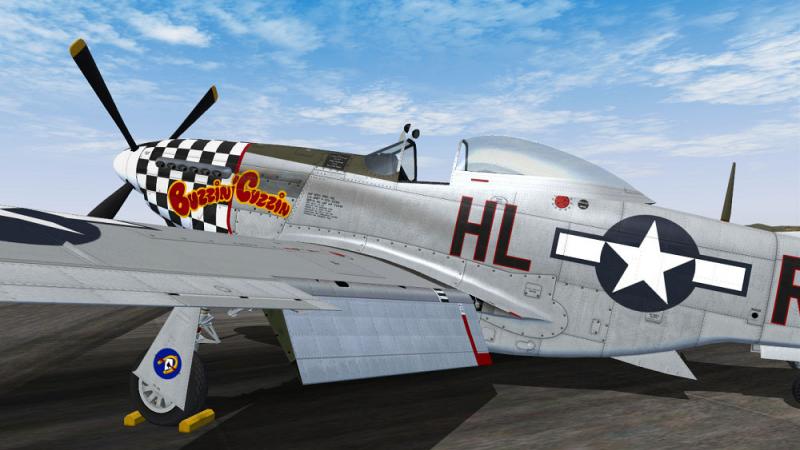
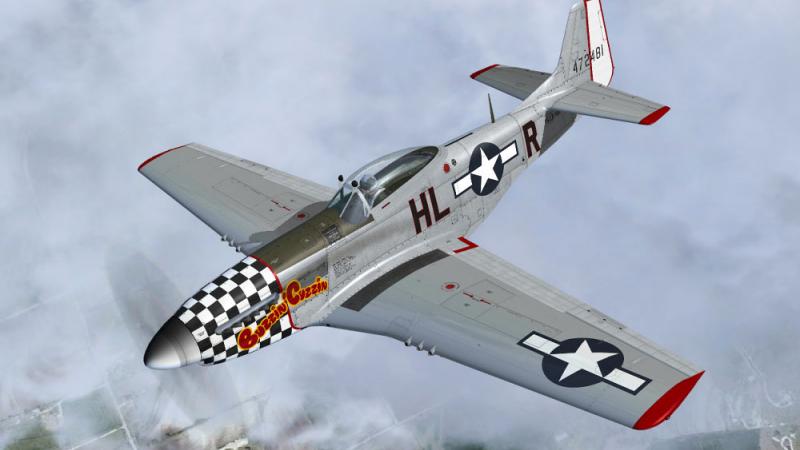
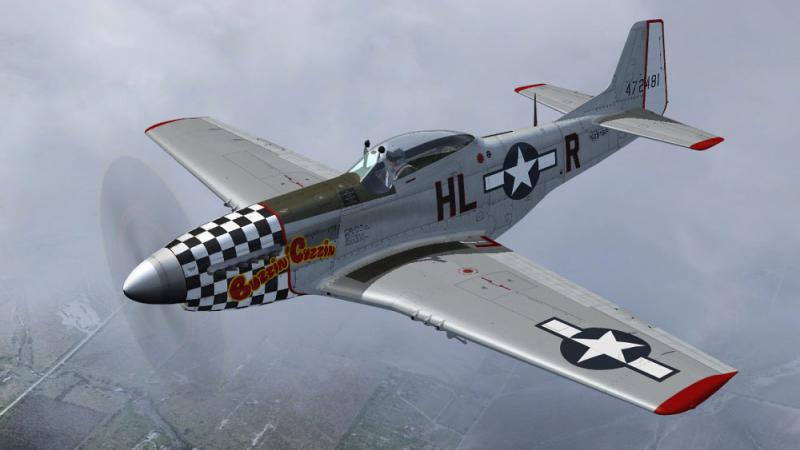
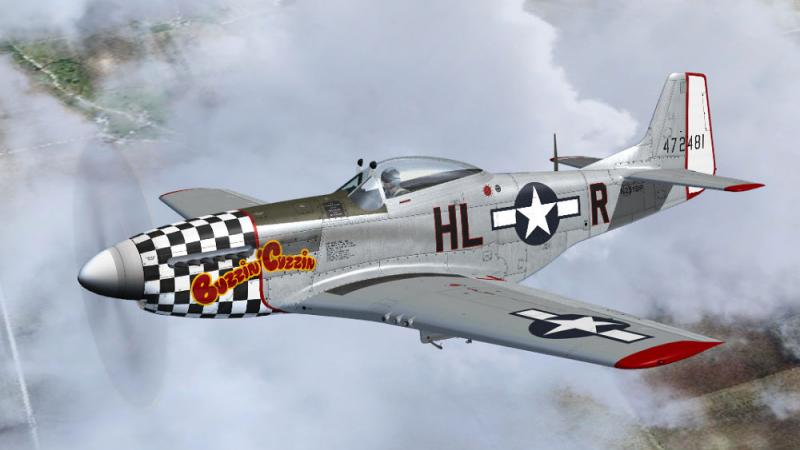
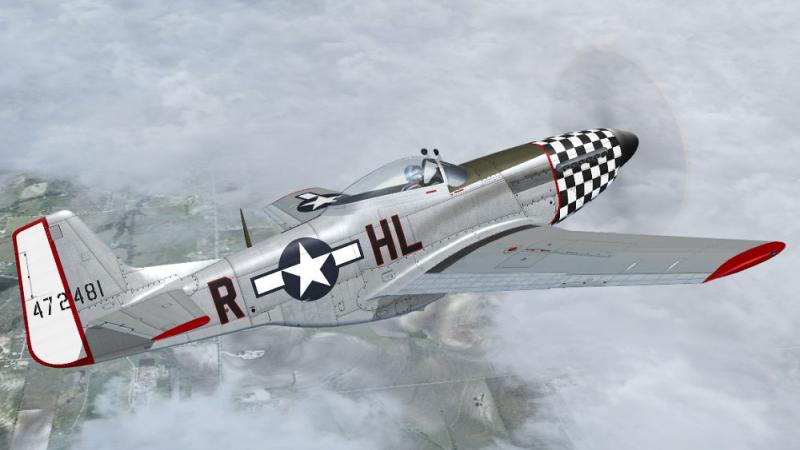
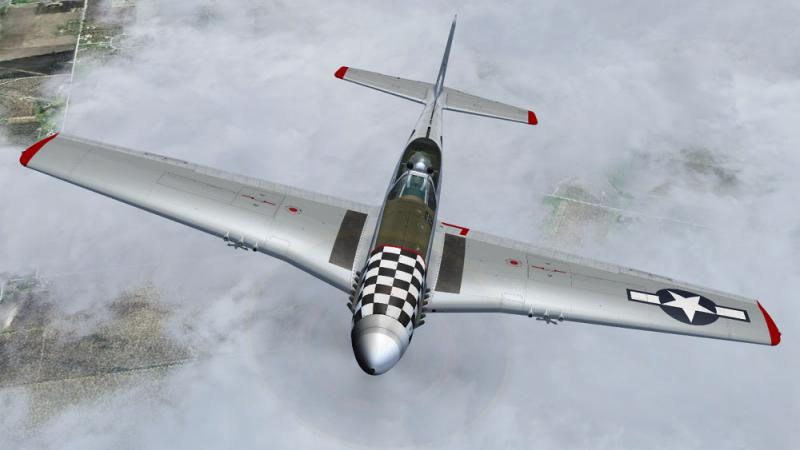
- P-51D-25NT 'Buzzin Cuzzin'
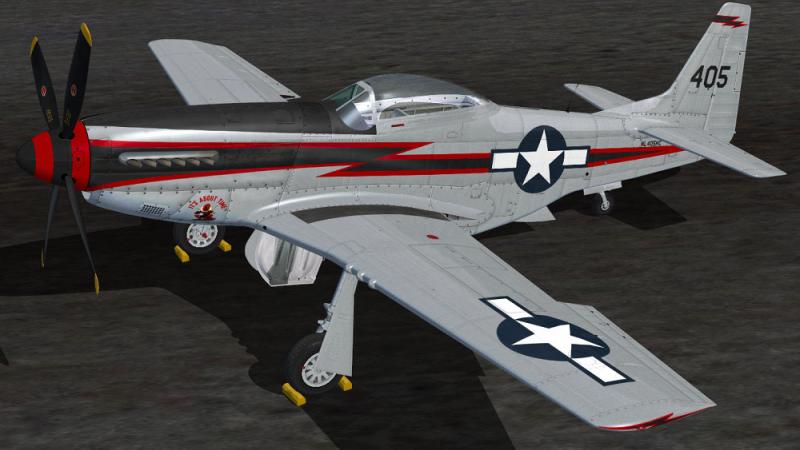
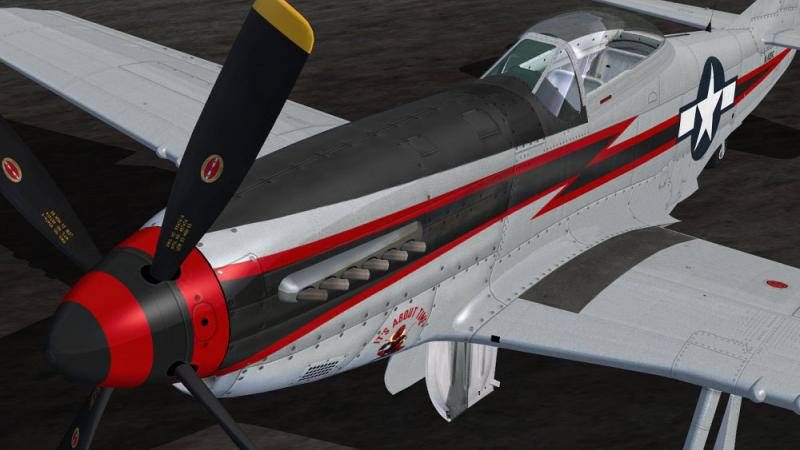
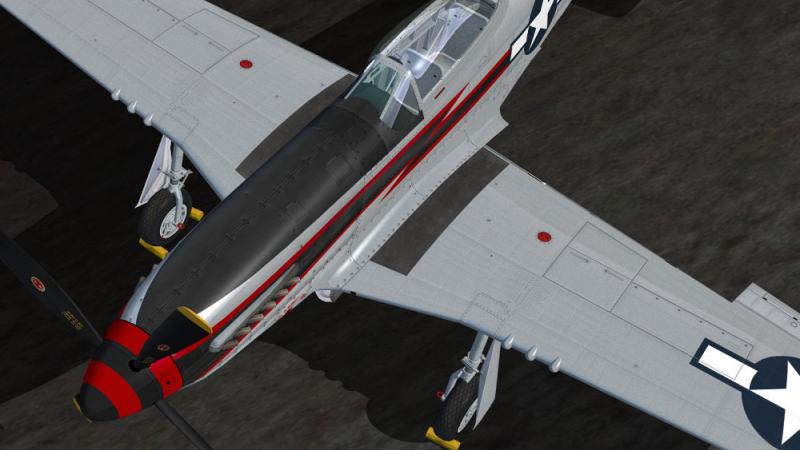
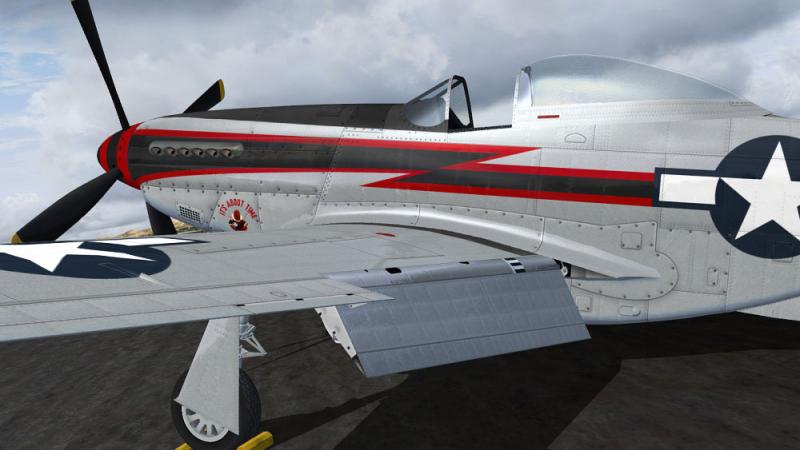
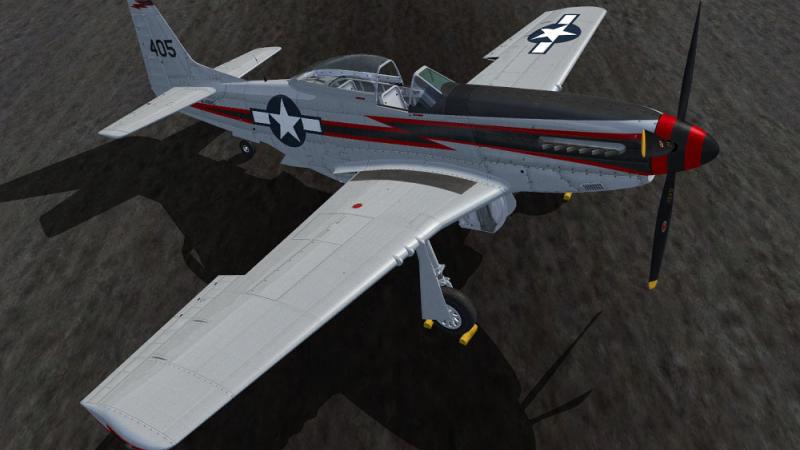
- P-51D (Cavalier Mk.II) 'It's About Time'
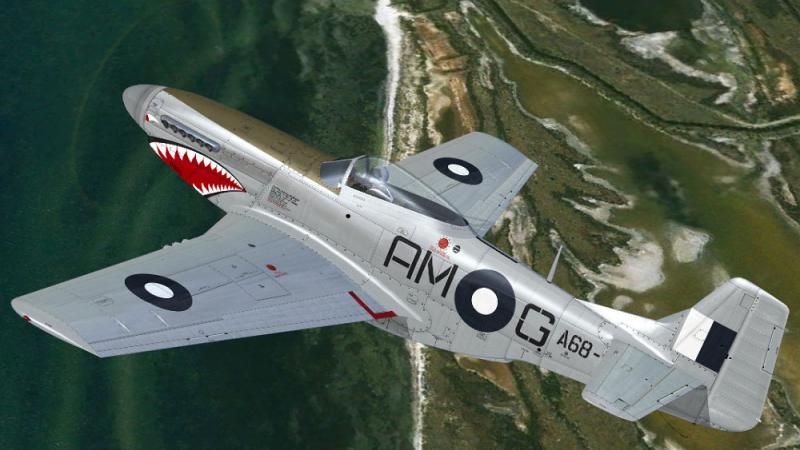
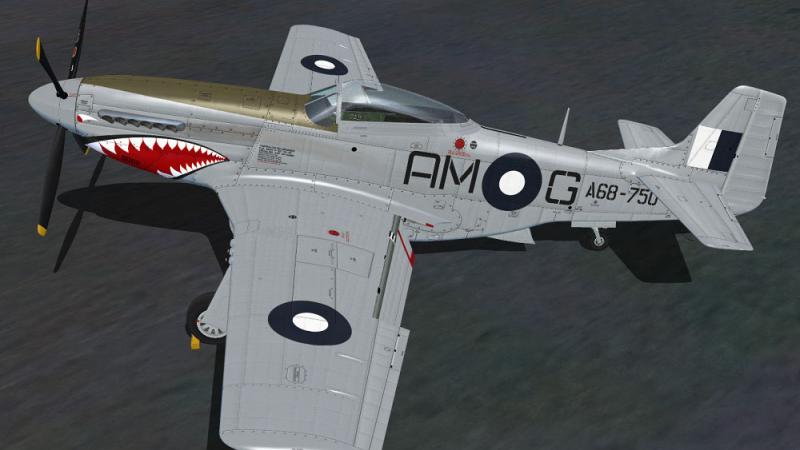
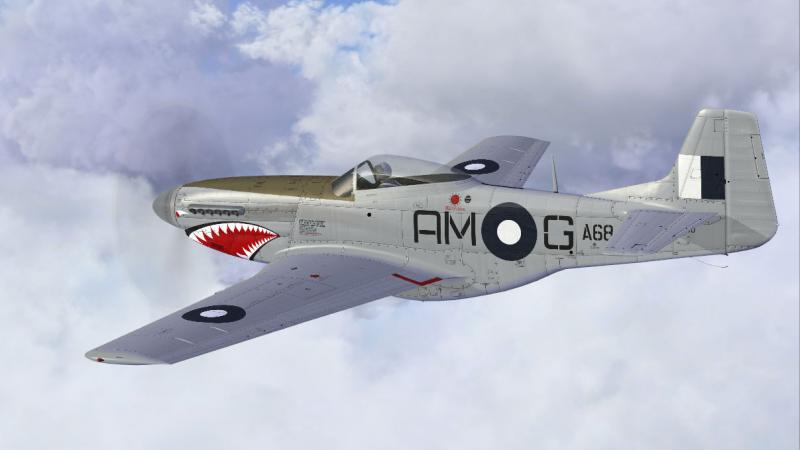
- P-51D (CA-18 Mk.23) RAAF Museum A68-170
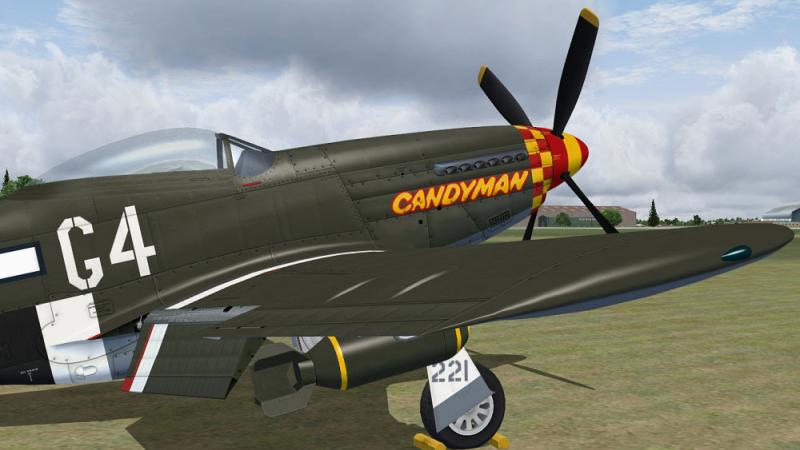
- P-51D-25NA 'Moose/Candyman' (Bonus Aircraft)
SOUND FEATURES
An Authentic and Accurate Sound Pack of the Unique Packard Merlin Engine. 84 hours of recordings and mixing of real sounds from the real Packard Merlin have been mixed from two separate sources. Carefully recorded to gain the accuracy of the exhaust sound of the unique Merlin V1650 Engine with its characteristic growl. Two flights were made in a restored P-51D to accurately record this wonderful sound.
Aircraft Included
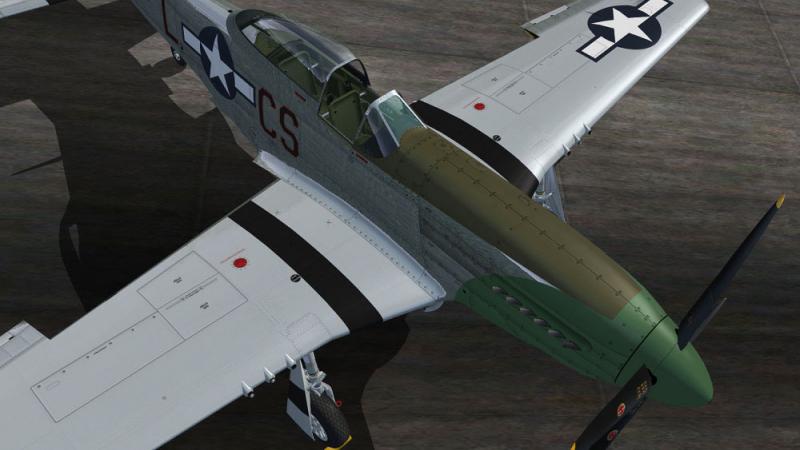
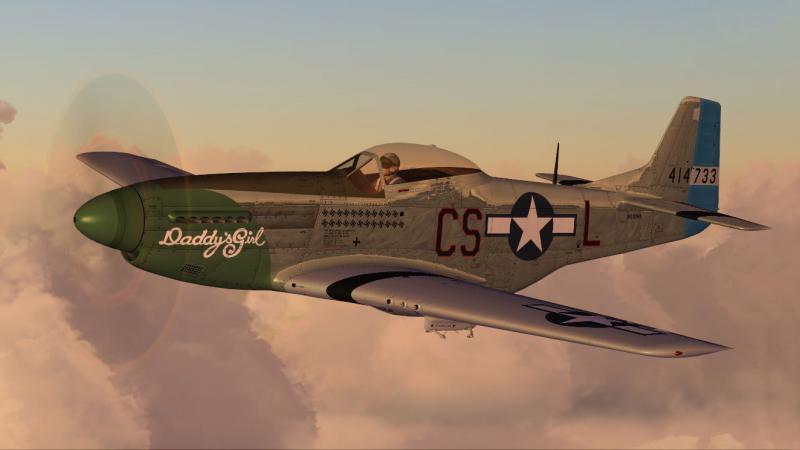
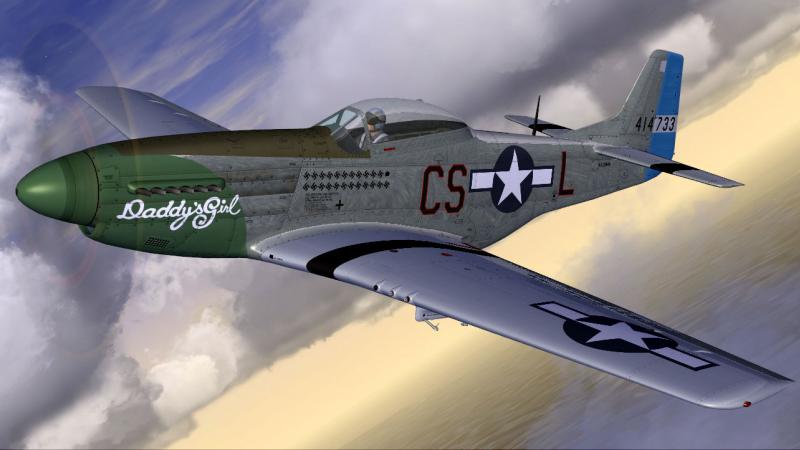
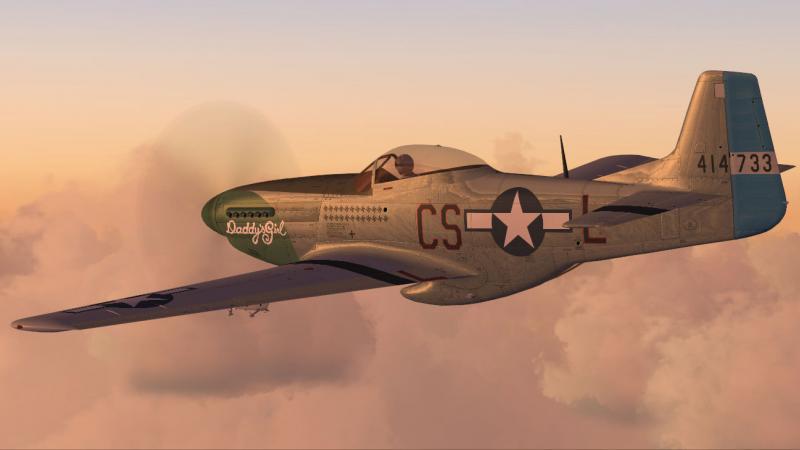
P-51D-20-NA Mustang "Daddy's Girl"
Coming off of the Inglewood production line in 1944, P-51D-20-NA, 44-63807, was delivered to England where it was assigned to the 8th Air Force, though no record seems to be known of what action, if any, the aircraft saw during WWII. However, following the war, the aircraft was sold surplus to the Uruguay AF, otherwise known as the Fuerza Aerea Uruguaya (FAU). The aircraft was delivered to the FAU, along with 24 other P-51D's, in December of 1951. In 1960, the aircraft was sold onto the Bolivian AF (FAB), where it remained in active combat service for 17 years. In December of 1977, a Canadian group arranged for 6 airworthy Bolivian Mustangs to be exchanged for Canadair T-33's. Exported to Canada, the aircraft was registered C-GXUO, still retaining its FAB paint work. The aircraft passed through a couple of owners until in 1984, it was sold to Mid South Lumber Company of Birmingham, Alabama, where the aircraft was re-registered as N20MS, and re-painted in a pseudo WWII scheme and named "Tiger Lilly".
Jump forward to 2001, 44-63807 was purchased by Jon Vesely of Inverness, Illinois, and sent to Midwest Aero Restorations for a complete rebuild. The plan for the rebuild was to return the aircraft to as stock condition as possible, but to include a rear seat and dual controls. All of the internal paint work and detailing would be done as original to the factory. For the paint scheme, it was decided to paint the aircraft as Major Ray Wetmore's 359th FG mount, "Daddy's Girl". Never before had a restored P-51 represented a 359th FG aircraft, which was one of the major deciders in choosing the scheme. As in all Midwest Aero Mustangs, the paint scheme is as accurate to the original as possible, having even gone to great lengths to consult with 359th FG researchers and pilots to get the right shade of green to match the original squadron nose color. The aircraft first flew again on July 12th, 2004, and would go onto win the coveted Reserve Grand Champion award at the 2004 EAA Airventure at Oshkosh. Shortly before the aircraft was finished, it was sold to Charles Somers of Sacramento, California, where it is now based.
Product Variant Details
- The paint work and finish matches exactly that of the restored aircraft, including polished metal fuselage, and very smooth filled, sanded, and silver-painted wings (as originally done by the NAA factory).
- The canopy fitted to the aircraft, has a larger rear section profile than that of the typical combat-P-51D canopy, to allow more head-room for the guy in the back seat. This same canopy form was used by NAA for its own two-seat conversions during WWII.
- All original factory-applied stencils are recreated over the entire airframe, in true-scale.
- Gear wells are painted over all in Chromate Yellow, with select parts painted Interior Green, just as done originally at the factory, and accurately recreated in the restoration of the aircraft.
- Prop blades are of the original WWII Hamilton Standard cuffed-blade type, as fitted on the actual aircraft.
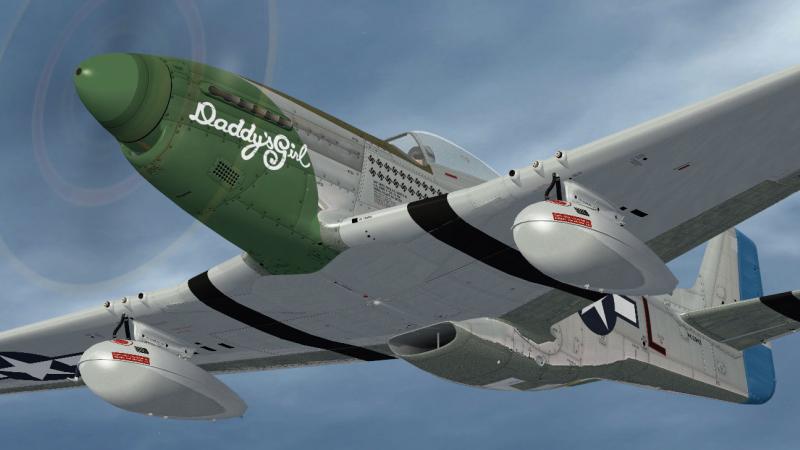
- You may select to display fully recreated 75-gallon drop tanks on this aircraft.
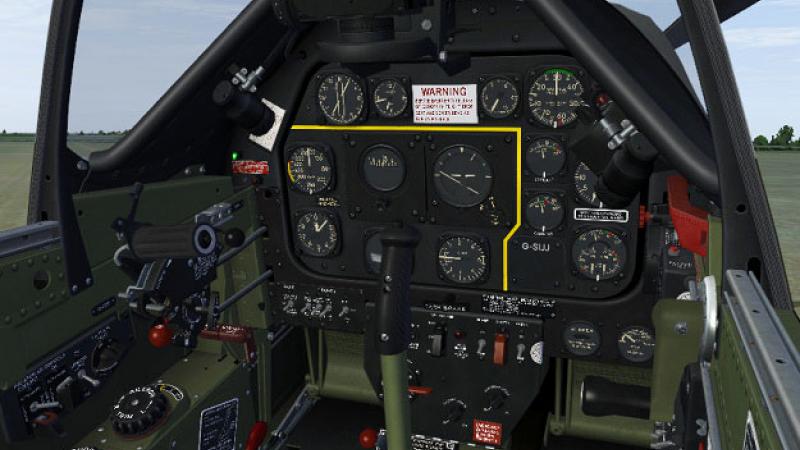
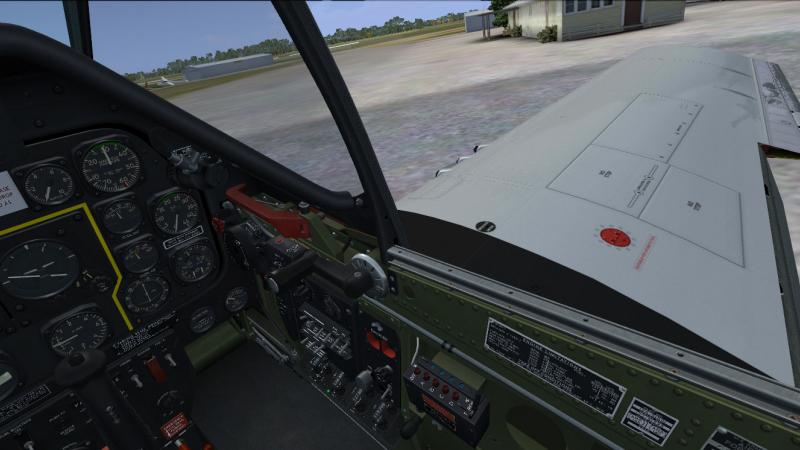
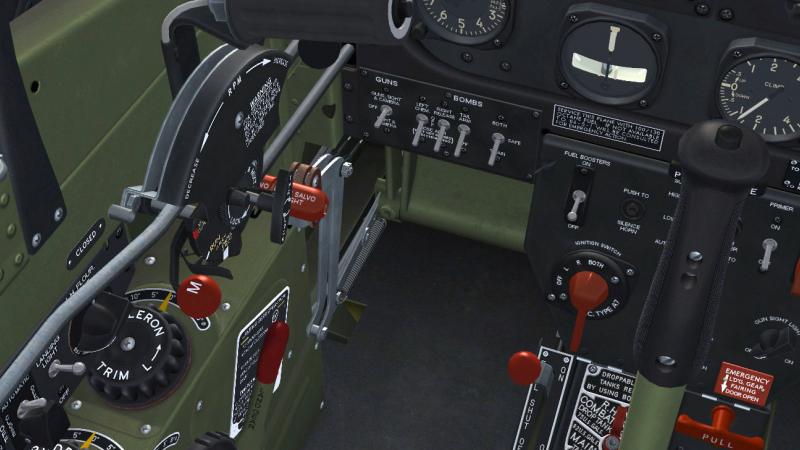
- Internally, the aircraft is very stock to an early P-51D-20-NA, featuring an early instrument panel shroud (without stiffeners), an early engine-controls/bomb controls arrangement, an early throttle lever design, and an early/standard instrument arrangement.
- The aircraft is one of a few of many two-seat conversions, to sport basic dual controls within a stock-P-51D airframe - sometimes called a "TP-51D" (rather than TF-51D as reserved for the full dual control variant). This allows anyone the chance to actually fly the Mustang from the back seat, having full control over stick, rudder, throttle, and prop controls.
P-51D-20-NA Mustang "Jumpin Jacques"
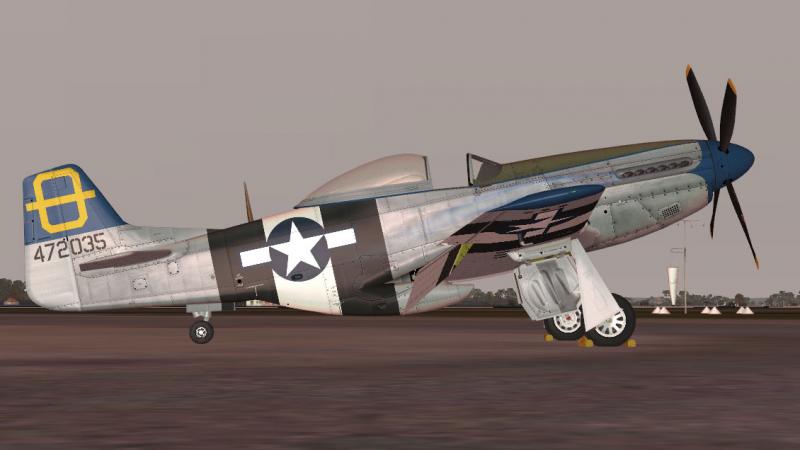
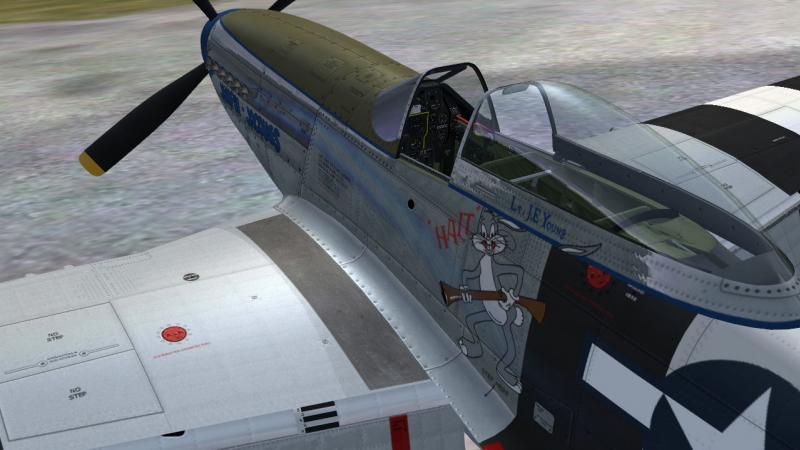
P-51D-20-NA, 44-72035, was completed at the NAA Inglewood plant, California, in December of 1944, and left the departure point at Newark, New Jersey, in January of 1945. Given the Project Number 91037R, indicating service in the Mediterranean Theatre of Operations, it is not known what group the aircraft served with, but believed that the aircraft went to Italy, as part of the 15th AF. Evidence in the form of red paint on the inside of the fillets around the tail, and on the nose section - common to all 15th AF Mustangs - it is thought that this aircraft could have been assigned to the 332nd FG, the famed "Tuskegee Airmen". Following the end of WWII, the four fighter groups of the 15th AF remained in Italy until in July and September of 1945, they all returned back to the US. 44-72035 returned to the US in October of '45, and was placed in storage until 1947, when the aircraft was overhauled and assigned to its first ANG unit. In 1948, the aircraft was assigned to the 125th FS, Oklahoma ANG, followed by time with the 124th FS, Iowa ANG, and later the 192nd FS, Nevada ANG. Evidence of its USAF markings, during this time, can still be seen in the metalwork today. The aircraft was also involved in a mid-air collision and lost a wing tip in the process. There is evidence of this today as the postioning lights on the tips are not in standard position. After being withdrawn from service in 1956, the aircraft was stored until being sold surplus in 1957, to Whiteman Enterprises, California, and registered as N5411V, where it remained for 24 years. At the end of 1981, the aircraft was sold to Humberto Escobar of Bogota, Colombia, where the aircraft was based for 8 years. In 1989 the aircraft was sold to Jacques Bourret, of Aero Retro, and exported to France, where it was registered as F-AZMU. On the look-out for an original WWII color-scheme for the Mustang, Jacques Bourret came across a photo of "Jumpin Jacques", a P-51D that was flown by Lt. Jacque E. Young of the 3rd FS, 3rd Air Commando Group, based in the Philippines, and could not resist applying this scheme to the aircraft.
In 2002, Peter Teichman purchased the aircraft, and forming the flying museum known as the Hangar 11 Collection, bases the Mustang and the rest of his collection at North Weald, UK. Since taking ownership of the aircraft, it has been the museum's goal to return the aircraft to as original factory condition as possible, while keeping the aircraft airworthy throughout the air show season, when it is quite spiritedly displayed by Peter Teichman. In more recent years, the aircraft has been re-painted, more accurately depicting the colors and markings of the original "Jumpin Jacques", as well as being detailed with all original stencil work and a fully re-conditioned engine compartment, as it originally was from the factory. Over time it is the museum's goal to also return the cockpit to as stock configuration as possible.
This aircraft was used extensively for research and was the sounds source as featured in our models.
Product Variant Details
- The paint work and finish matches exactly that of the restored aircraft, including polished metal fuselage and silver-painted wings and horizontal stabilizers.
- The canopy fitted to the aircraft is of the standard Inglewood type.
- All stencil work has been recreated to match that applied to the actual aircraft, in true-scale, including those that are of post-WWII USAF origin.
- The gear wells have been finished in an accurate blend of Chromate Yellow and Interior Green, to match the goal the Hangar 11 Collection has in returning the aircraft to completely stock condition.
- Prop blades are that of the late-WWII Hamilton Standard square-tip blades, as currently fitted to the actual aircraft.
- You may select to display fully recreated 75-gallon drop tanks on this aircraft.
- Internally, the cockpit has been created to accurately and authentically recreate what the cockpit looked like on 44-72035 when it rolled out of the factory, with the exception of the addition of the rear seat, matching the goal that the Hangar 11 Collection has in returning the cockpit to original stock condition. As an early P-51D-20-NA, the instrument panel shroud is of the early design (without stiffeners), the engine-controls/bomb controls are of the early arrangement, the throttle lever is of the early design, the gun sight controls are of the early positioning, and the instruments are of the early standard.
- The range-placard for the K-14A gun sight, is of the 'standard' type, rather than the European/Luftwaffe-aircraft issue, matching the type as would be installed in a Pacific-theatre Mustang as the original "Jumpin Jacques" was.
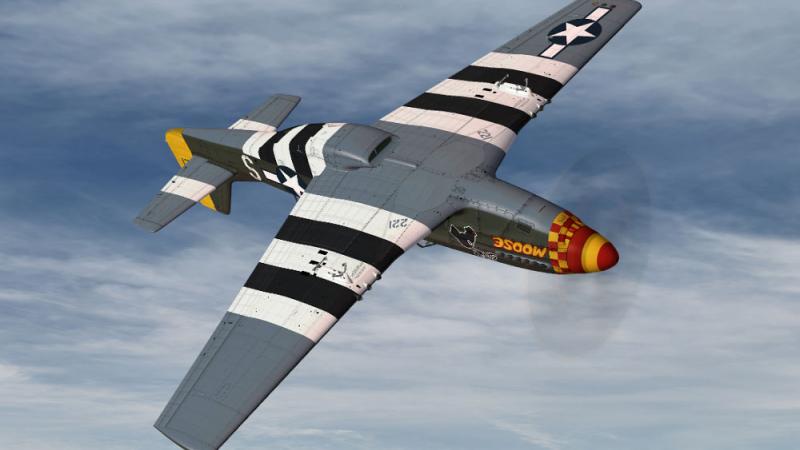
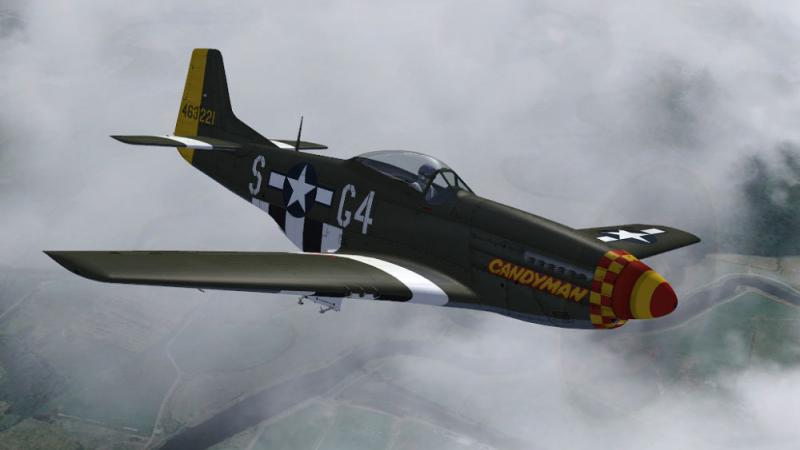
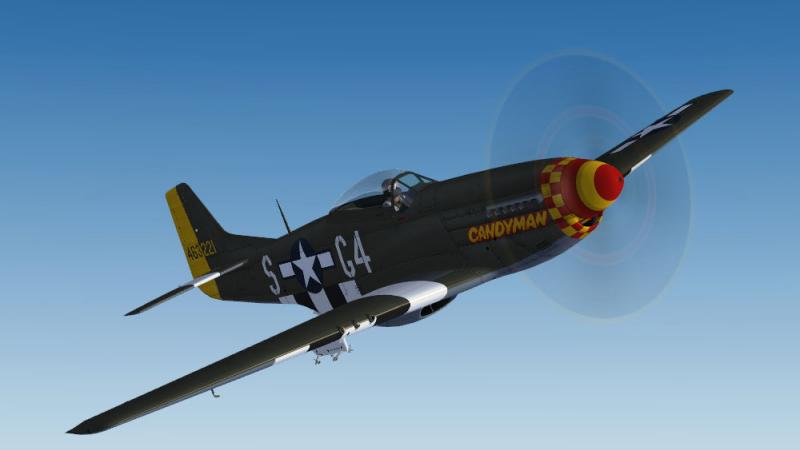
P-51D-25-NA Mustang 'Moose/Candyman' (as seen from 1981 to 1999)
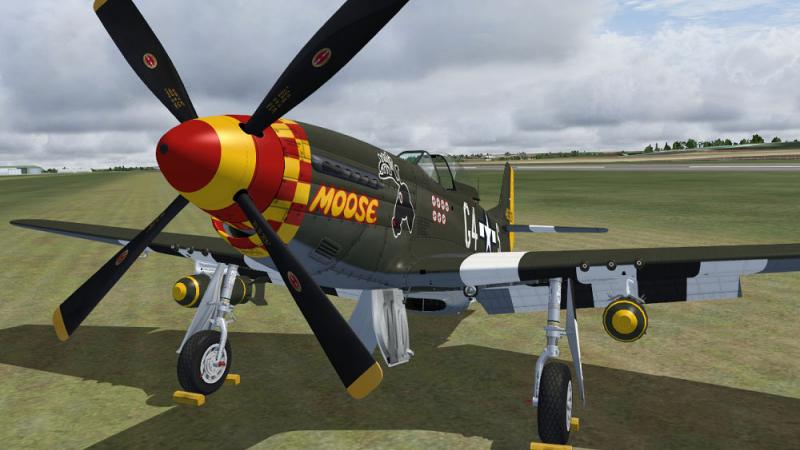
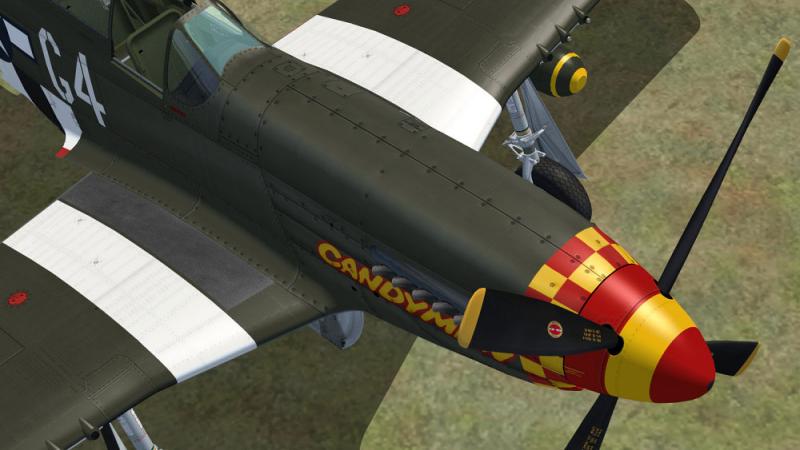
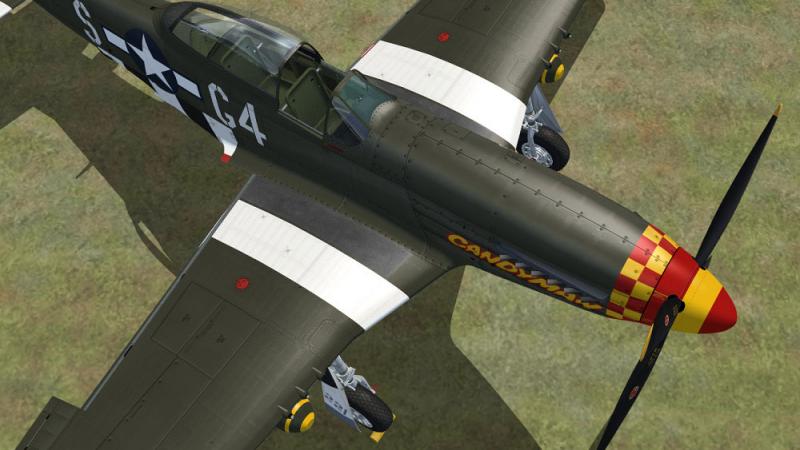
44-73149, was built at the North American Aviation Factory at Inglewood, California, and was accepted by the USAAF on February 27, 1945. Arriving in England a month later, the aircraft was sent to the 8th Air Force, serving at Leiston in Suffolk with the 357th FG, 11 months later returning to Newark, NJ, in January 1946. From there it served with the Royal Canadian Air Force starting in 1947, operating from Suffield, Alberta. In 1957, it was sold privately and registered as N6340T. Bought for $5,400 in 1962 with a total of 511 airframe hours, it flew in the Unlimited Race at Reno in 1974, finishing second with an average speed of 384mph. The Fighter Collection purchased the aircraft in 1980, and it flew across the Atlantic to its new owners. Upon arrival, the aircraft was painted in 357th FG colors as "Moose/Candyman", a representation of the Mustangs flown by Lt. Myron A. Becraft as part of the "Yoxford Boys" during WWII. Since that time, the aircraft was sold to The Old Flying Machine Company, where it now carries the colours of Wallace E. Hopkins, as 'Ferocious Frankie', named after his wife Frankie, coded B7 H of the 374th Fighter Squadron, 361st Fighter Group. Although the aircraft is no longer painted in the colors of "Moose/Candyman", through the magic of flight sim, you can travel back and enjoy this classic scheme once again.
Product Variant Details
- The paint work and finish matches exactly that of when the aircraft was painted as "Moose/Candyman", including an over-all OD/RAF Dark Green over Grey camouflage, and brilliant 357th FG markings.
- The canopy fitted to the aircraft is of the standard Inglewood type.
- All stencil work has been recreated to match that applied to the actual aircraft, in true-scale.
- The gear wells have been finished to accurately match that of the real aircraft.
- A second landing lamp has been installed in the right wheel well, just as on the actual aircraft.
- Prop blades are that of the late-WWII Hamilton Standard square-tip blades, as fitted to the actual aircraft.
- Replica 500-lbs bombs may be added/removed, just as has been done on occasion with the actual aircraft.
- Two white tear-drop lights are fitted to either side of the tail, just as on the actual aircraft.
- The cockpit has been modeled to recreate the cockpit of this specific aircraft, including early-mid model parts/configuration, a rear seat, an early design throttle lever, new-manufacture floor panels, and steal kick-plates mounted in front of the rudder pedals. Various other anomalies that differ from the stock P-51D-25-NA cockpit, have been fully recreated to match the real aircraft.
P-51D-25-NA Mustang "FF-704"
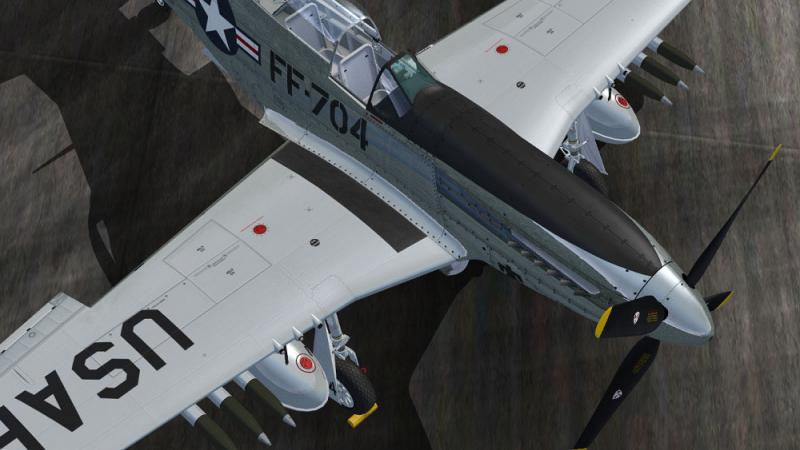
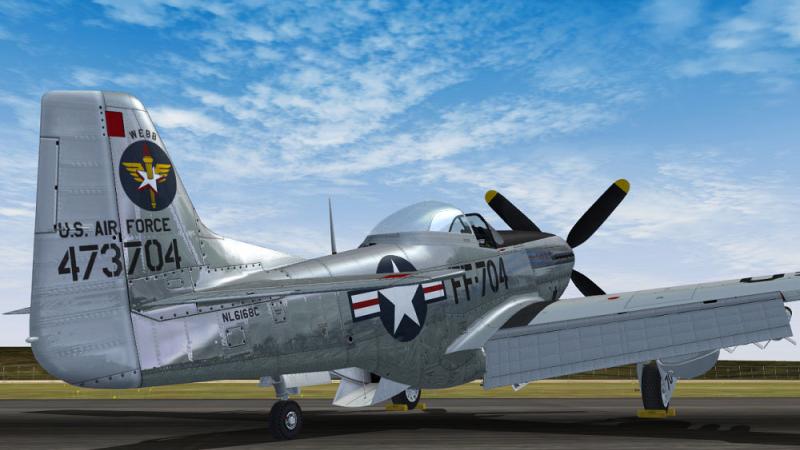
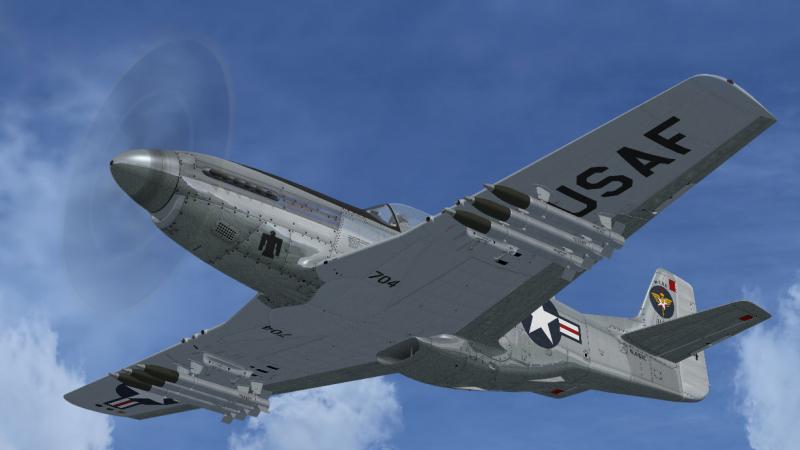
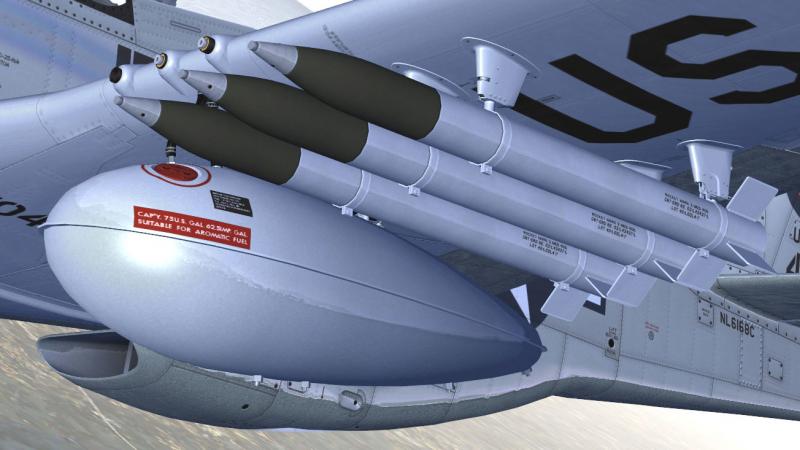
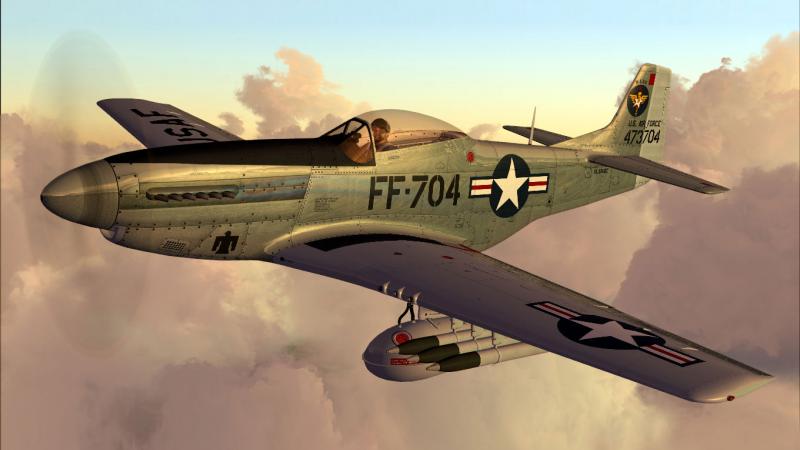
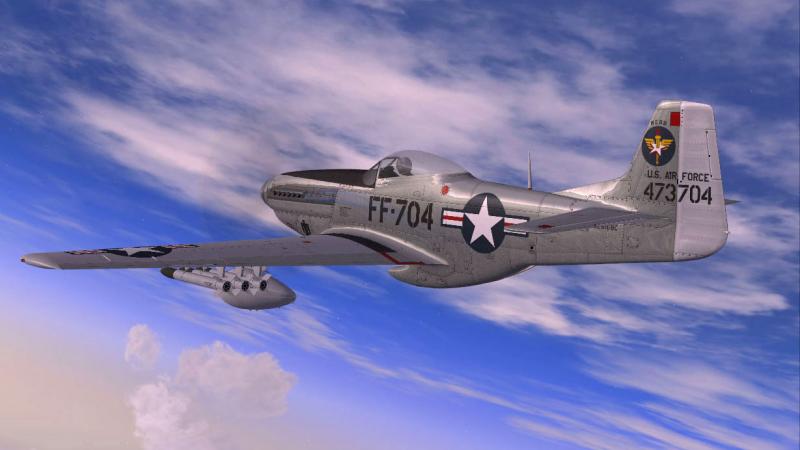
Manufactured at the NAA Inglewood plant in 1945, P-51D-25-NA, 44-73704, likely was manufactured too late to see service during WWII. Following WWII, and some likely storage time, the aircraft served with the USAF ANG. An accident report from December, 1952, indicates that this aircraft was in a California ANG unit at the time. As with most surviving Mustangs, the aircraft was eventually surplused, and came on the US civil register in the early 1960's, as N6168C, owned by Plauche Electric Inc, of Lake Charles, LA. In 1968, the aircraft was damaged in a forced, off airport landing, with wheels up. The registration for the aircraft was changed to Marvin "Lefty" Gardner, of Gardner Flyers Inc, Brownwood & Mercedes, TX, in 1970. Under the ownership of Lefty Gardner, the aircraft was painted as "Thunderbird - Race 25", a brilliant red, white & blue scheme. In 1976, Lefty raced the aircraft to a 1st place finish in the Gold Unlimited Race at Reno. In 1994, the aircraft was sold to Lewis Shaw, who had the aircraft fully restored at Ezell Aviation. The rebuild saw the aircraft returned to original military configuration, and finished as an early 1950's era ANG F-51D. The markings that adorn the aircraft, are a combination that symbolize both the aircraft's and the owner's history in the USAF. This aircraft makes for a very unique display where ever it goes, complete with a full compliment of 5-in HVAR rockets and 75-gallon drop tanks. The thick, Aeroproducts paddle blade props, are of P-51H originality - a left-over from its racing days. While painted in a light grey primer, the cockpit is very stock. Debuting the aircraft at Sun N' Fun, 1999, the aircraft won the "Best P-51" award. A couple years later, at EAA Airventure, Oshkosh, the aircraft won the "Preservation Award".
Product Variant Details
- The paint work and finish matches exactly that of the restored aircraft, including polished metal fuselage and silver-painted wings.
- The canopy fitted to the aircraft is of the standard Inglewood type.
- All stencil work has been recreated to match that applied to the actual aircraft, in true-scale.
- Just as on the actual aircraft, the entire interior of the aircraft, including inside of the gear doors, is painted light grey primer.
- Fully recreated rocket launchers are installed under the wings, with the option to load fully recreated 5-in HVAR rockets, exactly as they are displayed on the real aircraft.
- You may select to display fully recreated 75-gallon drop tanks on this aircraft.
- Prop blades are of the Aeroproducts paddle-blade type, as originally fitted to the P-51H, as finished and fitted to the actual aircraft.
- The prop spinner is of the type specifically designed for use with Aeroproducts propellers, which mounts the prop blades further forward than a Hamilton Standard setup.
- Internally, the cockpit has been created to match that of the actual aircraft, which apart from being painted entirely with light grey primer, is very stock, with a second seat installed behind the pilot.
- The range-placard for the K-14A gun sight, is of the 'standard' type, rather than the European/Luftwaffe-aircraft issue, as used post-WWII.
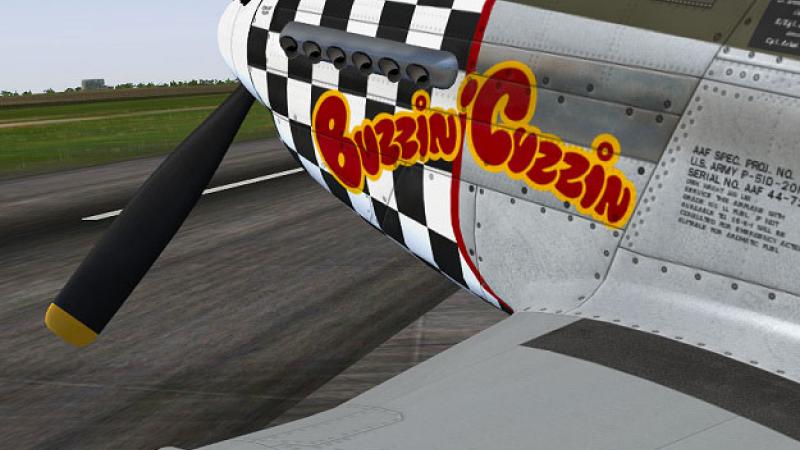
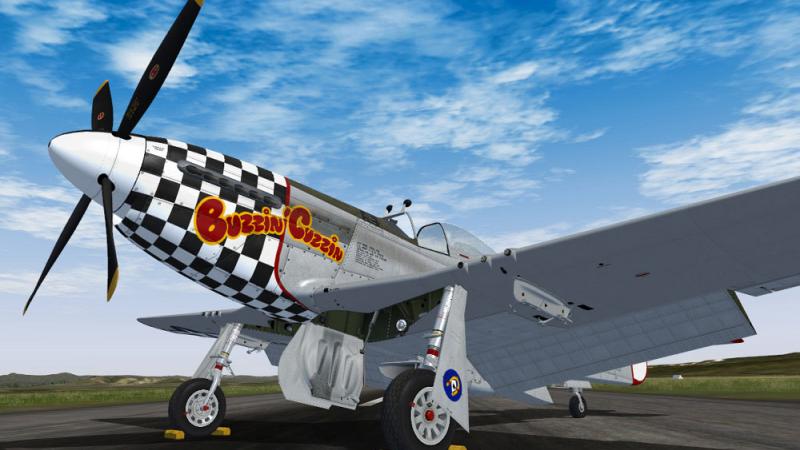
P-51D-25-NT Mustang "Buzzin Cuzzin"
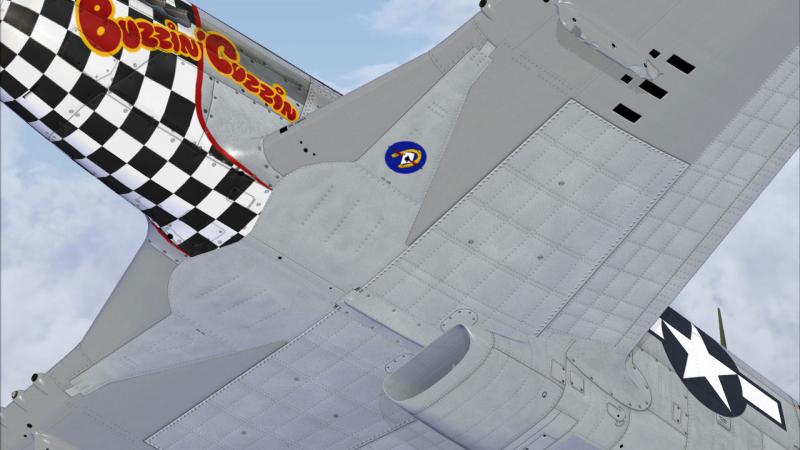
Manufactured as 44-84753, this P-51D-25-NT rolled off of the NAA Dallas production line and delivered to the USAAF in June, 1945. It saw service with the 31st FS, 412th FG, a test/evaluation unit lead by famed AVG pilot, Tex Hill. Within this unit, the Mustang's performance was evaluated against military jets that were just coming into development. During this time, the unit was based at March Field, CA, and is now the primary USAF test group at Edwards Air Force Base. In 1951, the aircraft was assigned to the 131st Bomb Squadron of SAC, and following this, was assigned to the Kentucky ANG in 1953. Sold as surplus, the aircraft was registered as N5436V, owned by Robert Rodman, then ownership would pass to Les Grant in 1966, and then to Ted Contri in 1978. In 1987, the aircraft was purchased by famed warbird collector Bob Pond, who registered the aircraft as N251BP, and it was painted in a pseudo-military scheme as "Mighty Moose", operating with the Planes of Fame East museum, in Minnesota. Bernie Jackson would purchase the aircraft in 1998, and would own 44-84753 for the next 12 years. Over this time the aircraft was repainted and became known as "The Vorpel Sword". In 2004 it was decided to fully restore the aircraft, and after it was finished, now in bare metal, Russian stars were applied, making it the first civilian-owned Mustang to sport Russian markings.
In 2009, a Texas-based group by the name of Cielos LLC, purchased the aircraft, and had it partially overhauled and re-painted at Pacific Fighters, Idaho. With a factory-WWII like appearance - dull bare metal fuselage, and silver painted wings - the aircraft was painted in the authentic markings of Lt. William B. Spengler's personal 78th FG mount, "Buzzin Cuzzin", terminology that was common for the time - "What's buzzin', cousin?. Finished with dual-mounted Spitfire mirrors, just as on the original aircraft, the recreated "Buzzin Cuzzin" was reunited with Bill Spengler at the Planes of Fame Airshow, in 2010.
Product Variant Details
- The paint work and finish matches exactly that of the restored aircraft, including the dull metal fuselage and silver-painted wings and horizontal stabilizers.
- The canopy fitted to the aircraft is of the standard Inglewood type, as on the actual aircraft.
- All stencil work has been recreated to match that applied to the actual aircraft, in true-scale.
- Just as on the actual aircraft, the entire interior of the aircraft, including inside of the gear doors, is painted interior green primer.
- Prop blades are that of the late-WWII Hamilton Standard square-tip blades, as fitted to the actual aircraft.
- Dual Spitfire mirrors are modeled and mounted to exactly match that of the examples on the actual aircraft, even including the welds on the mounting brackets.
- You may select to display fully recreated 75-gallon drop tanks on this aircraft.
- Internally, the cockpit has been created to match the similar and exact configurations of the actual aircraft, which is very stock, and many aspects that make the cockpit on this aircraft unique, have been recreated.
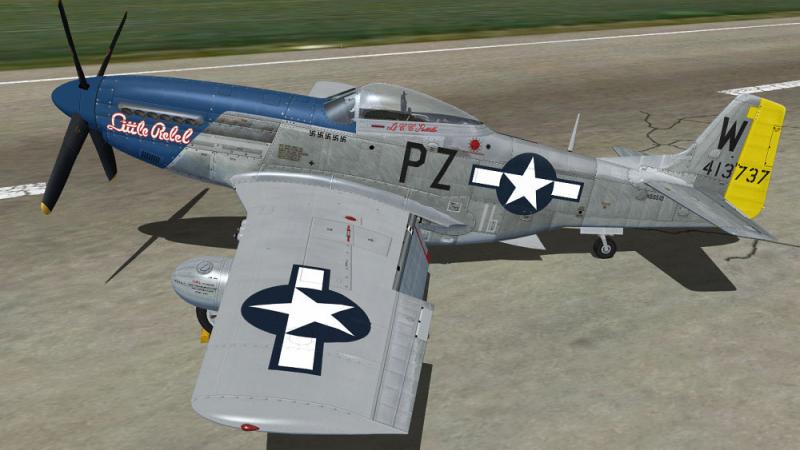
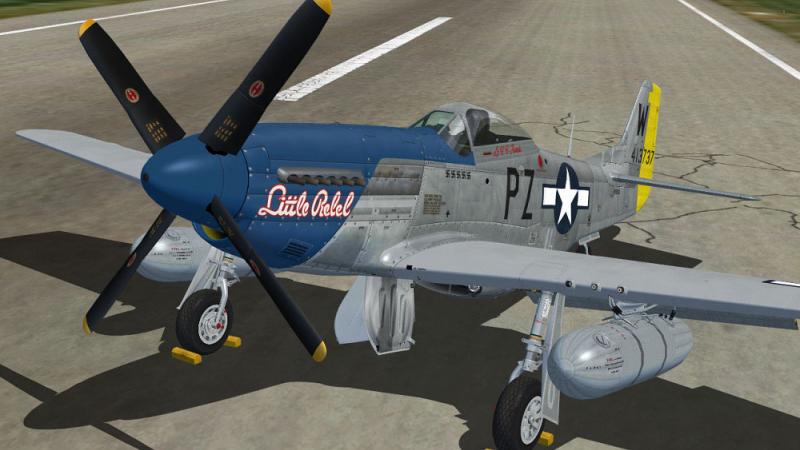
P-51D-30-NT Mustang "Little Rebel"
P-51D-30-NT 45-11495, came off of the Dallas production line in 1945, far too late to see action in WWII, and was obtained by the Royal New Zealand Air Force. Going straight into storage, the aircraft would eventually be flown for the first time with the RNZAF, at Ardmore in August, 1951. With the aircraft activated, it served with the Central Flying School. The aircraft went to 75 Squadron in July of 1952, and then served with 2 Squadron from June 1953 to November 1955. As with a number of the other RNZAF Mustangs, the aircraft was offered for sale by the New Zealand government by the end of the 1950's, and this aircraft, or the remains there of (various RNZAF Mustangs had their wings cut off for transportation), ended up at the RNZAF Museum. The aircraft was then obtained by Philip Warner in the UK, as a restoration project, with a nearly complete fuselage to work from, though no wings. In about 2004, Mustang owner/restorer Bob Baker purchased the project, commissioned a new set of wings to be manufactured, and in 2009 it was complete, registered N5551D. Painted in the authentic markings of "Little Rebel", the 352nd FG aircraft that Lt. Gen. Charles ?Buck? Pattillo flew at the end of WWII, the aircraft features a great many details that bring the aircraft right back to 1945.
Product Variant Details
- The paint work and finish matches exactly that of the restored aircraft, including polished metal fuselage with panel variations and acid etching along spot-weld placements, silver-painted wings, and matte-painted markings.
- The canopy fitted to the aircraft, is of the slick-back, Dallas type.
- All stencil work has been recreated to match that applied to the actual aircraft, in true-scale.
- Gear wells are painted over all in Chromate Yellow, with select parts painted Interior Green, just as done originally at the factory, and accurately recreated in the restoration of the aircraft.
- Prop blades are of the original WWII Hamilton Standard cuffed-blade type, as fitted on the actual aircraft.
- You may select to display fully recreated 108-gallon replica paper drop tanks on this aircraft.
- Internally, the aircraft is very stock to a mid-late model P-51D, using lessons learned in what a stock P-51D looks like. The aircraft features the armor plate and radios, though no fuselage tank is installed.
- The range placard mounted on the K-14A gun sight, is of the European/Luftwaffe-aircraft type.
CA-18 Mk.23 Mustang "Duffy's Delight - A68-170"
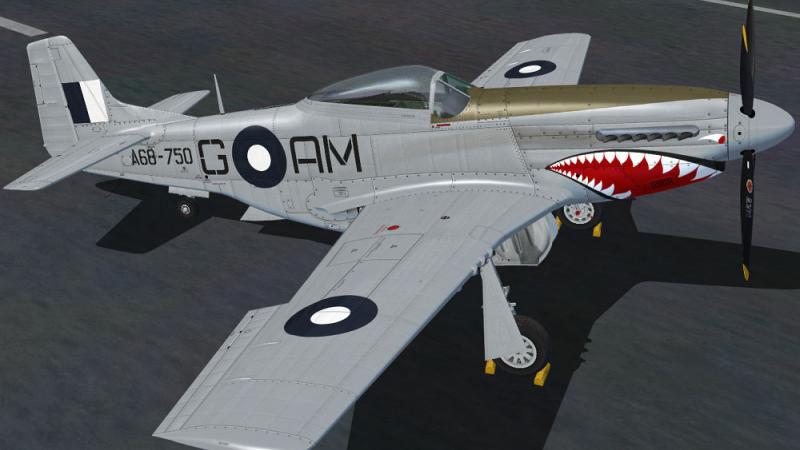
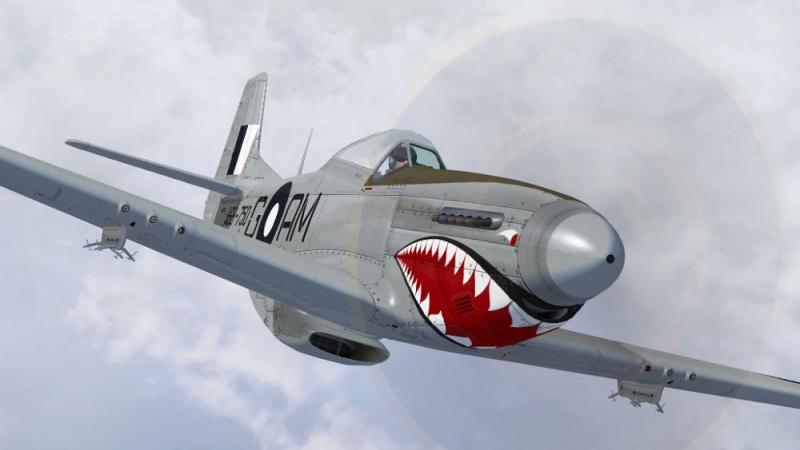
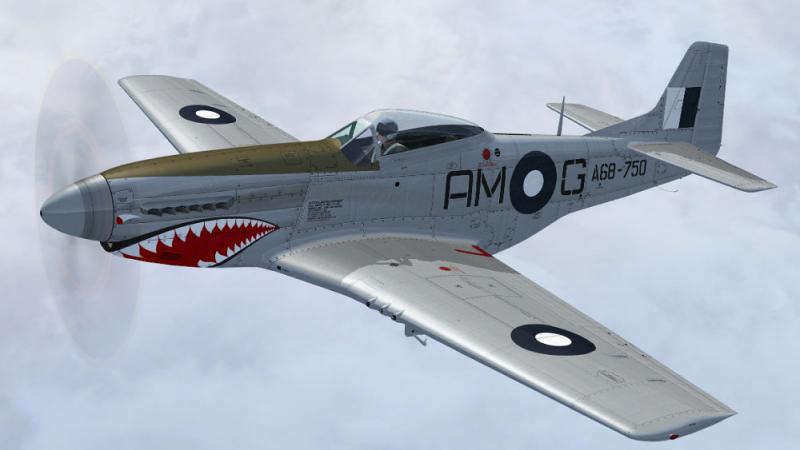
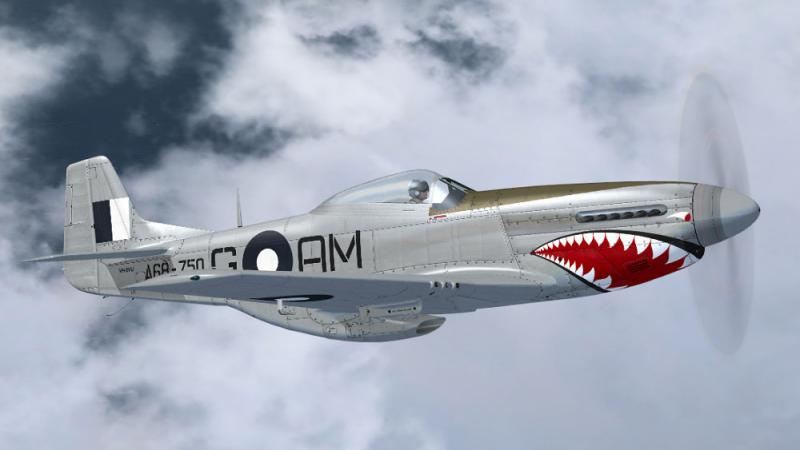
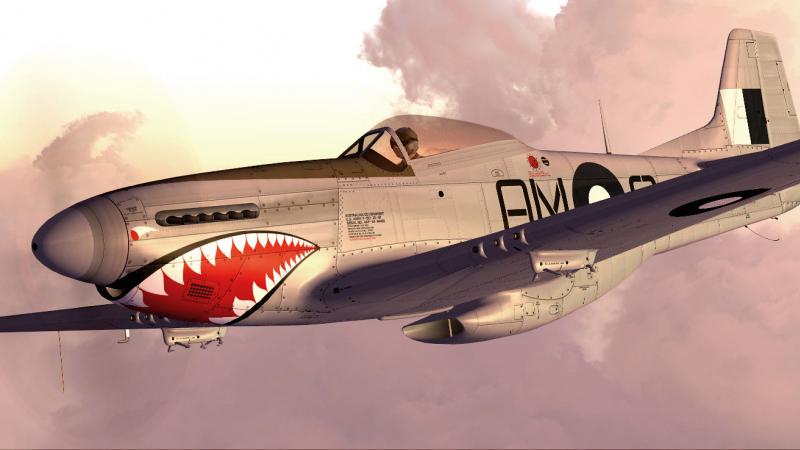
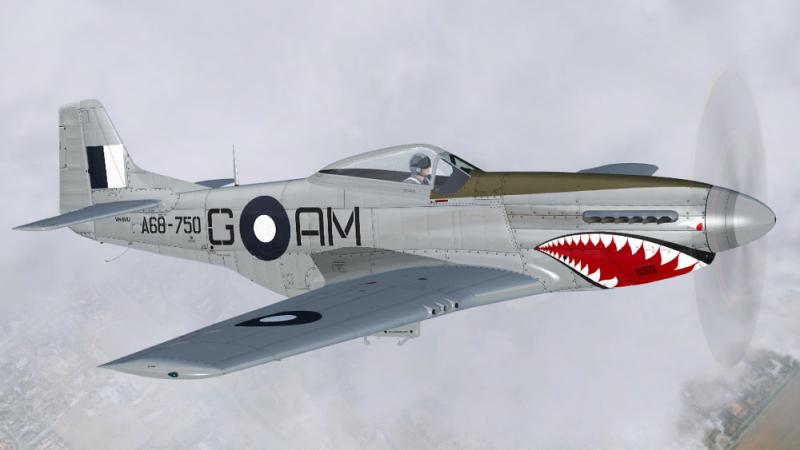
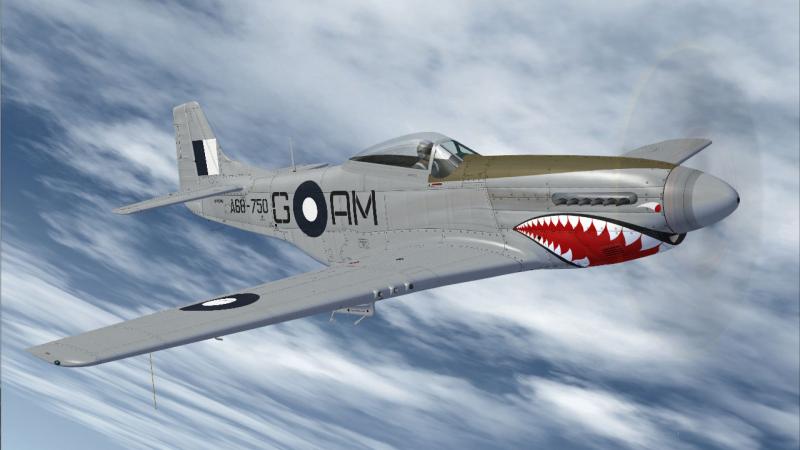
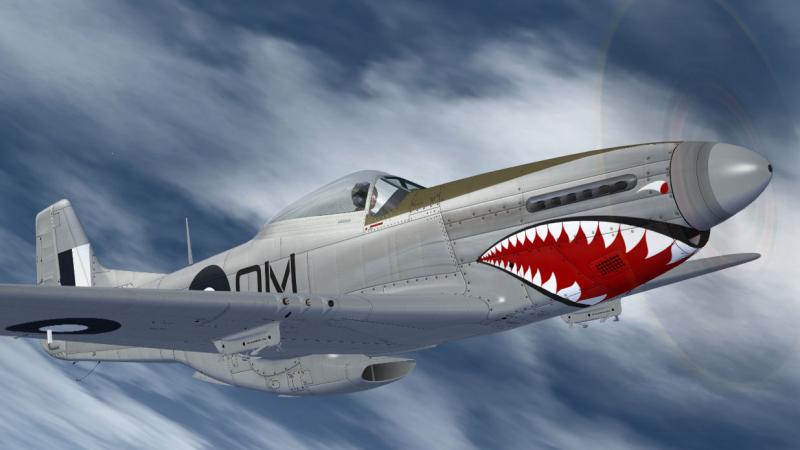
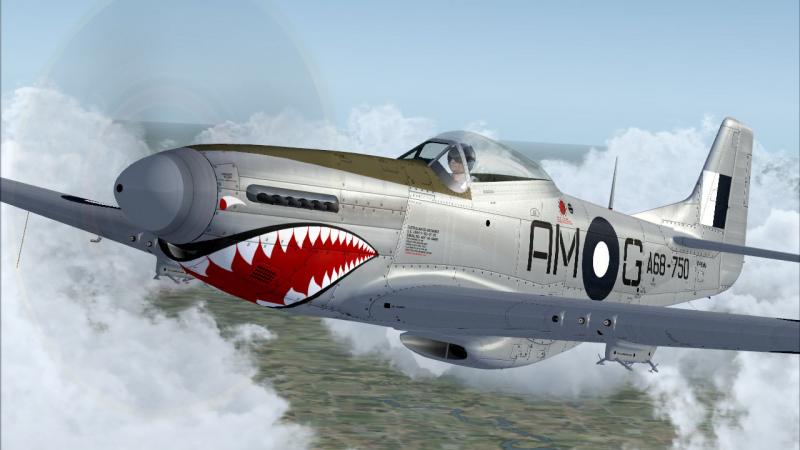
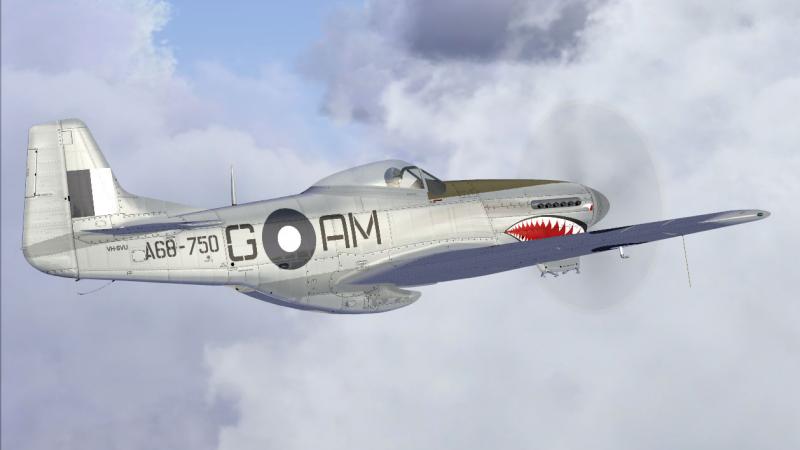
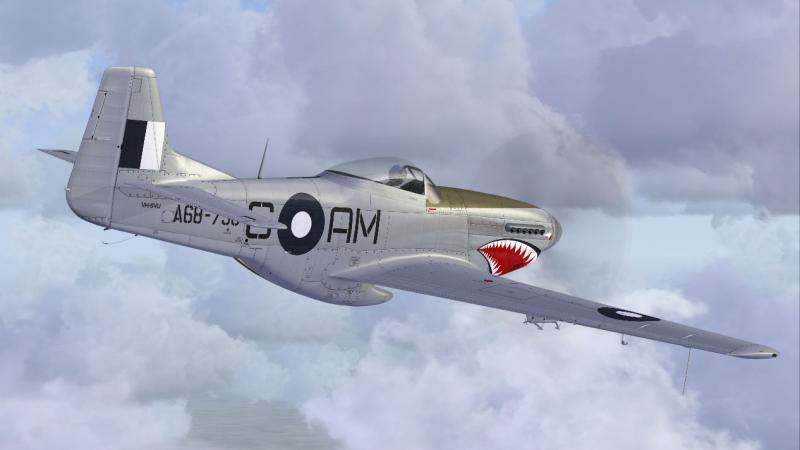
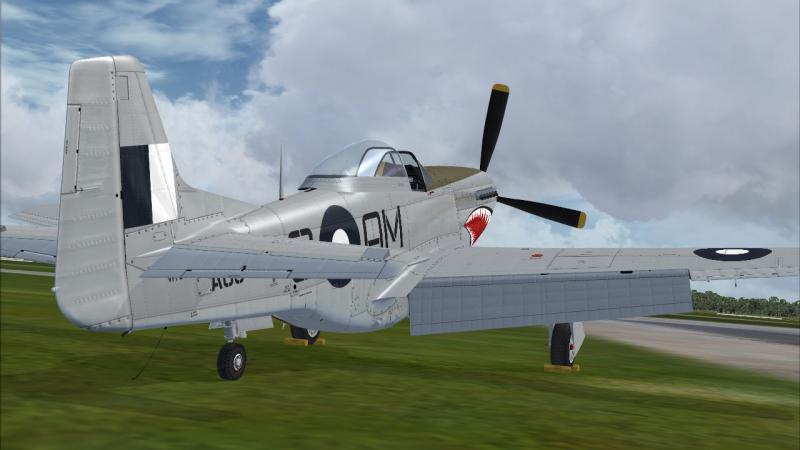
Manufactured under license by the Commonwealth Aircraft Corporation, in Australia, CA-18 Mk.23 A68-170 was received by the RAAF in February, 1950, and went into storage with No. 1 Aircraft Depot Detachment B at Tocumwal NSW. In August of 1950, the aircraft was flown to RAAF Schofields, where it was first operated by No. 78 Wing. In April 1952, the aircraft was transferred to No. 2. Operational Training Unit, and then to No. 23 "City of Brisbane" Squadron in October 1953. A68-170 then returned to storage with No. 3 Aircraft Depot in October 1956. In 1959, the aircraft was approved for disposal, and withdrawn, but was held by the Queensland Flight of the Air Training Corps as an instructional trainer before being given to the RAAF Museum in September of 1970. The aircraft was restored to an almost flyable condition under the guidance of the senior Engineering Officer, Squadron Leader Kevin Duffy, and it was at this time that the aircraft gained it's nickname, "Duffy's Delight". Remaining on static display at the museum until 1990, a restoration program was started in 1991, to finally return the aircraft to full airworthy status. In 1999, the restoration was complete, and the aircraft flew once again, registered as VH-SVU. The aircraft's paint scheme is that of a different RAAF Mustang, A68-750, AM-G, which was actually manufactured by North American Aviation, as P-51D-25-NT 44-84489. The aircraft is based at Point Cook, Australia, and continues to be an air show favorite with its large shark-mouth nose.
Product Variant Details
- The paint work and finish matches exactly that of the restored aircraft, including the over-all application of silver paint/dope, and accurate markings of A68-750.
- The canopy fitted to the aircraft is of a late Dallas-type, with a taller rear section.
- All stencil work has been recreated to match that applied to the actual aircraft, in true-scale.
- Just as on the actual aircraft, the entire interior of the aircraft, including inside of the gear doors, is painted factory stock.
- Prop blades are that of the late-WWII Hamilton Standard square-tip blades, as fitted to the actual aircraft, also featuring the unique blade markings as on the actual aircraft.
- Internally, the cockpit is very, very stock, with the exception of the removal of the armor plate and addition of a rear seat. The interior paint is accurate to CAC-built Mustangs, called Bronze Green.
P-51D/Cavalier Mustang II "It's About Time"
The true original identity of this aircraft is unkown, but it is believed to have been originally manufactured as a P-51D-5. Obtained by the Cavalier Aircraft Corporation, it was converted to a Mustang II configuration in the late 1960's. David Lindsay, a newspaper publisher, founded Trans Florida Aviation with the idea to refurbish P-51s into civilian business aircraft. Besides installing a second seat, a taller NACA tail was added, and some variants even would sport wingtip tanks for added range. Trans Florida would become Cavalier Aircraft Corporation, and purchased the rights to the P-51 design from NAA. In 1967, the USAF contracted Cavalier to produce an F-51D variant for export to South America under the Military Assistance Program. These aircraft were provided new serial number, and named Mustang II. In all, 9 were built, with all receiving the taller tail modification and removable wingtip tanks, and serving in the El Salvador Air Force. This aircraft flew as FAS 405, and participated in the "Soccer-War/100-Hours War" between El Salvador and Honduras in 1969. In 1974, the aircraft returned to the US, owned by Jack Flaherty, who registered it as N31FF, and applied the fake (P-51C) serial no. 44-10753 to the airframe. Passing to Wilson "Connie" Edwards in 1978, the aircraft was purchased by Heber Costello in 1998, and registered as N405HC. During this time the aircraft was refinished in a 118th TRS-style WWII scheme, with nose art naming the aircraft "It's About Time". With the untimely death of Heber Costello in 2000, the aircraft would eventually be sold to its current owner, Biltema Co., in Sweden, where it flies today. The aircraft was most recently re-registered in Sweden as SE-BIL.
Product Variant Details
- The paint work and finish matches exactly that of the restored aircraft, including the over-all application of silver paint, and striking 118th TRS-style WWII markings.
- The canopy fitted to the aircraft is of the standard Inglewood type.
- The tail has been modified with the NACA extension, as seen on the actual aircraft.
- The original antenna mast has been removed, and a modern whip antenna added, as on the actual aircraft.
- The gun ports, ejector chutes, and recognition light ports, have been paneled/capped over, as on the actual aircraft.
- Just as on the actual aircraft, the entire interior of the aircraft, including inside of the gear doors, is painted light grey primer.
- Prop blades are that of the late-WWII Hamilton Standard square-tip blades, as fitted to the actual aircraft.
- Internally, the cockpit isn't a true representation of the actual aircraft, but rather a mix of old and new, with original vintage hardware added back into the cockpit.
At high throttle the engine attains peak torque. At full power the familiar 'growl' of the Merlin can be heard as different phases of engine power increase. Perfect for those with 5:1 surround systems; the sound of the engines peak torque tone curves can clearly be heard above its clean characteristic sound as it flies by on high speed passes during displays that you will be happy to give to pleased spectators.
- Authentic Engine Firing sounds
- Accurate start and shut down
- Sounds from outside taken using carefully positioned microphones in flight
- Additional famous Gunport Whine
Sounds inside the cockpit have been recorded both on the ground, during and up to take off and in flight with many sound characteristics also recorded as they were heard including buffetting, wind noises, creaks and the clank of metal against ground.
3D MODELING OUTSIDE
- The most accurate exterior model of a P-51D ever seen in computer form, created using original engineering drawings, dimensions, & cross-reference photos.
- Distinctive areas such as the nose, tail, wing, radiator scoop, and spine are modeled to a degree of accuracy never before seen.
- All fasteners, screws, spot-welds, bolts, rivets, & seams are accounted for, & accurately recreated.
- The characteristic and distinct laminar wing airfoil is accurately modeled.
- Plastic canopies, of both Inglewood & Dallas forms, are accurately modeled to the Nth degree, using original engineering drawings of the Inglewood type, and profile photos of the Dallas type.
- Landing gear & landing gear doors are faithfully modeled, including proper strake-angle and accurate oleo compression with weight, & feature all original markings, stencils, and placards, using original engineering drawings of the gear doors and profile photos of the Bendix/Menasco gear legs.
- All wheels and tires are modeled using a complete set of actual dimensions, along with profile photos of the real articles.
- Landing gear retraction/extension animations feature accurate phased delay to exact timing.
- Inner "clam-shell" landing gear doors drop when the hydraulic pressure T-handle is pulled. This, a practice to prevent wear to the hydraulic system. As properly kept-up aircraft, the flaps will not droop after shutdown (Just as in the real aircraft, you cannot lower the flaps simply by activating the emergency hydraulic release. If Mustang's hydraulic system is not in top form, the flaps will droop down over time, after shut down, but may take hours before it is noticeable).
- Flaps will accurately deploy/retract with available hydraulic pressure.
- 50 cal. machine guns are accurately textured and properly staggered along the wing leading edges.
- Per restoration, both cuffed and square-tip Hamilton Standard propellers are accurately modeled.
- An accurately modeled set of later Aeroproducts prop blades are featured in the P-51D FF-704.
- Wing hard points are modeled in detail, including sway braces mounted to the shackles.
- HVAR rockets installed on FF-704
- Individual exhaust stack are fully modeled using profile photos of the real stacks.
- The pilot relief tube exit is accurately modeled at the lower end of the tail, on those restorations which feature this detail.
- The static ground wire is accurately modeled at the lower end of the tail on stock-restored examples, which is effected by speed and ground contact.
- Both coolant and oil cooler doors, all trim tabs, gear doors, and gear legs, feature animated push-rods, and in proper cases, animated hydraulic cylinders.
- The structure of the gear wells is accurately modeled and textured unlike ever seen before, with all proper ribs and stringers, rivets and bolts, and individual finishes according to each restoration.
- The pilot model features both modern and period head-gear, changeable from within the cockpit.
- Examples with tail warning radar installed feature an accurately modeled radar antenna array on the vertical tail.
- A full compliment of effects includes lighting, start-up, dirt taxi, and landing.
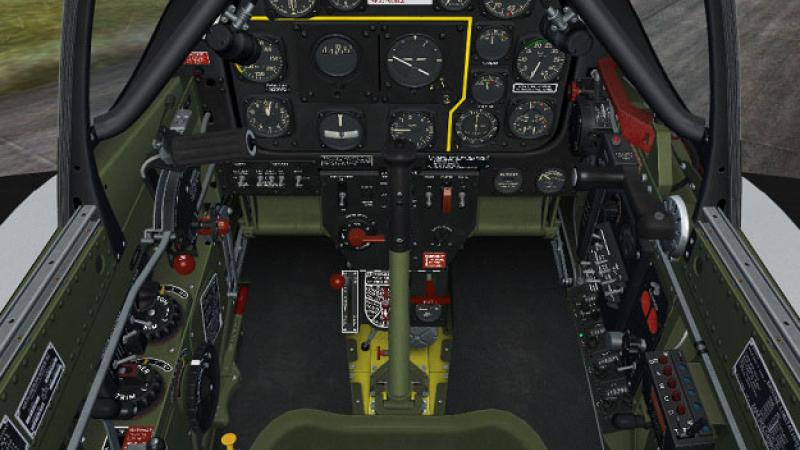
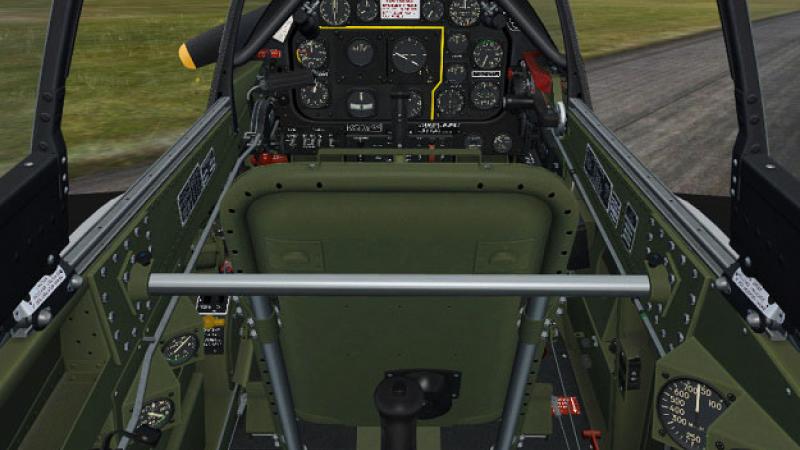
3D MODELING INSIDE
- Map & Data Case
- Flare Cartridge Bag
- Flare Pistol Port
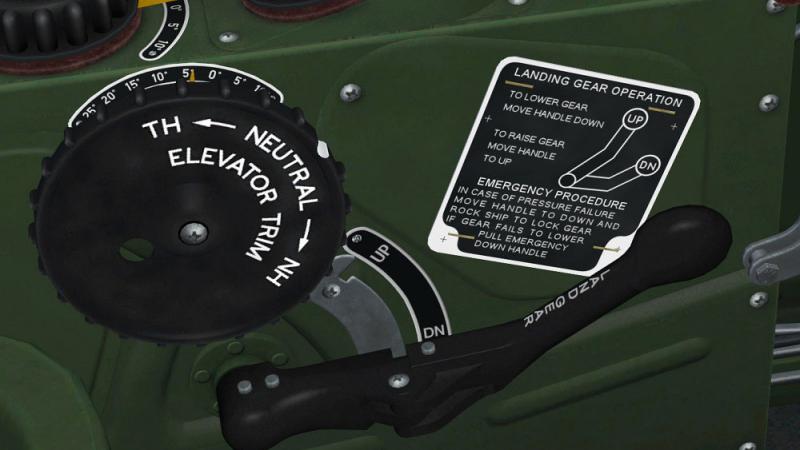
- Flap Handle
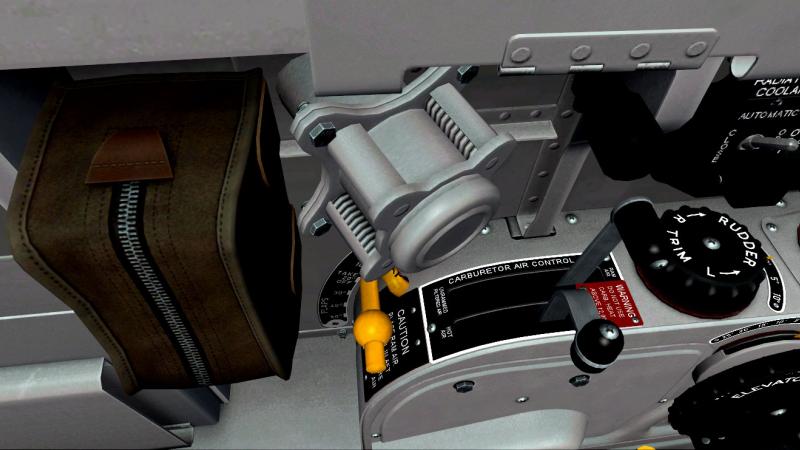
- Carburetor Air Controls
- Rudder Trim
- Aileron Trim
- Elevator Trim
- Gear Handle
- LH Cockpit Light
- Arm Rest
- Coolant Radiator Air Control Switch
- Oil Radiator Air Control Switch
- Landing Light Switch
- LH Cockpit Light Switch
- Throttle Lever
- Microphone Button
- Throttle & Prop Friction Controls
- Prop Lever
- Mixture Lever
- Left & Right Manual Payload Release Levers
- Supercharger Warning Light
- Fuel Booster Pump
- Oil Primer
- Starter Switch
- Fuel Primer
- Magneto Switch
- Payload Arming Switches
- Instrument Panel Light Switch
- Gear Position Indicator
- LH Instrument Panel Light
- Gunsight Power Switch
- Gunsight Reticle Fixed/Gyro Switch
- Directional Indicator Gauge
- Clock
- Suction Gauge
- Manifold Pressure Gauge
- Tachometer
- Coolant Temperature Gauge
- Carburetor Temperature Gauge
- Gyro Horizon
- Gyro Compass
- Airspeed Indicator
- Altimeter
- Turn and Bank Indicator
- Vertical Speed Indicator
- Oil & Fuel Gauge
- Oxygen Flow Blinker
- Oxygen Pressure Gauge
- Aircraft Restriction Placard
- Fuel Cutoff Lever
- Fuel Tank Selector
- Hydraulic Release T-Handle
- Hydraulic Pressure Gauge
- Spare Bulbs Bracket
- Oxygen Regulator
- Canopy Emergency Release Handle
- Canopy Crank
- Recognition Light Key
- RH Instrument Panel Light
- RH Cockpit Light Switch
- Generator & Battery Switches
- Gun Heat Switch
- Pitot Heat Switch
- Position Lights Switches
- Recognition Lights Switches
- Tail Warning Radar Power
- Tail Warning Radar Test
- SCR-522 Radio Control Box
- RH Cockpit Light
- IFF Power Switch
- Detonator Switches
- F-Band Switch
- G-Band Switch
- Radio Circuit Breaker Switches
- Emergency Coolant Door Release Handle
- Signal Light Power Receptacle
- Cold Air Control
- Hot Air Control
- Defroster Control
- LH Fuel Gauge
- RH Fuel Gauge
- K-14A Gun Sight
- Gun Sight Range Dial
- Armor Back Plate
- Fuselage Fuel Gauge
- SCR-522 Radio Set
- Battery
- Fuel Plumbing
- Fuel Tank
MODERN RADIO PANEL & VOR GAUGE HEAD
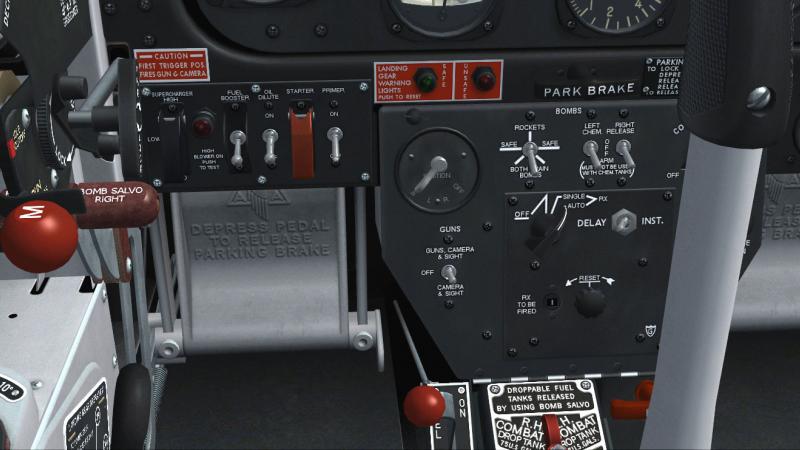
Modeled to match a common, typical radio panel seen on many of the restored P-51D's in the world today, this modern radio panel is intentionally positioned to minimize the removal of any original WWII equipment, just as is the case in the real-world examples. The panel itself is modeled with a full compliment of working and fully adjustable Transponder, Comm 1, Comm 2, and Nav Radios. An avionics power switch, mounted on the radio panel, allows one to control power directly to all of the radios. Alongside the radios is a full compliment of working circuit breakers, to turn on and off the individual radios. Indicator lights shine to allow the pilot to know which Comm radios are functioning. Also mounted to the radio panel is an Oil Pressure warning light, and an Oil Bypass warning light. A VOR gauge head is available in each model, and is fully functional according to the type, working hand-in-hand with the Nav radio on the radio panel. In most variants, a stock gauge cover plate is installed on the instrument panel by default, though when clicked upon, the VOR gauge head will appear. In other select variants, the gauge will be installed by default, according to the restoration.
FLIGHT MODEL - WARNING: Highly sensitive flight model. (Stall it on a tight turn and you will spin like the P-51D manual warns)
"Snap Roll" also included into air model where pilot force a snap roll due to excessive speed, AOA, wrong weighting and COG pushing.
FORCE FX USERS NOTE
For those using Force FX Hardware. The buffet due to applying too much back-pressure on the control column will be felt throughout the different speed ranges.
SPECIAL FEATURES
DROP TANKS
Install tanks if needed for long flights or display. If need be, they may be ARMED and RELEASED, or simply uninstalled.
PILOT HEAD-GEAR
The pilot's head-gear may be manual chosen, either modern or period.
CLAM-SHELL DOOR RELEASE
As procedures followed by the real pilots, following shut down, the hydraulic t-handle may be pulled, allowing the landing gear clam-shell doors to deploy within seconds.
K-14A GUN SIGHT
As per given flight conditions, the gun sight if installed, may be removed or added back into the cockpit by the user.

Related Products
Submit a review of this product
Do you own a copy of this add-on? Have you used it? We'd love to hear your feedback on it below. You don't even need to have purchased it from SimShack.